 Pocket Botanist

Check these first
- Examine the fruit for small holes.
- Check the tips of new branches for curled leaves.
- Look for sticky residue on the leaves.
Likely causes
Codling Moth
Most likelyHow to tell: You will see small entry holes in the fruit often surrounded by frass or sawdust. The fruit may rot from the inside out.
What to do: Hang pheromone traps in the tree in early spring to monitor moth activity. Bag individual young fruits with small mesh bags to physically block the moths from laying eggs.
Aphids
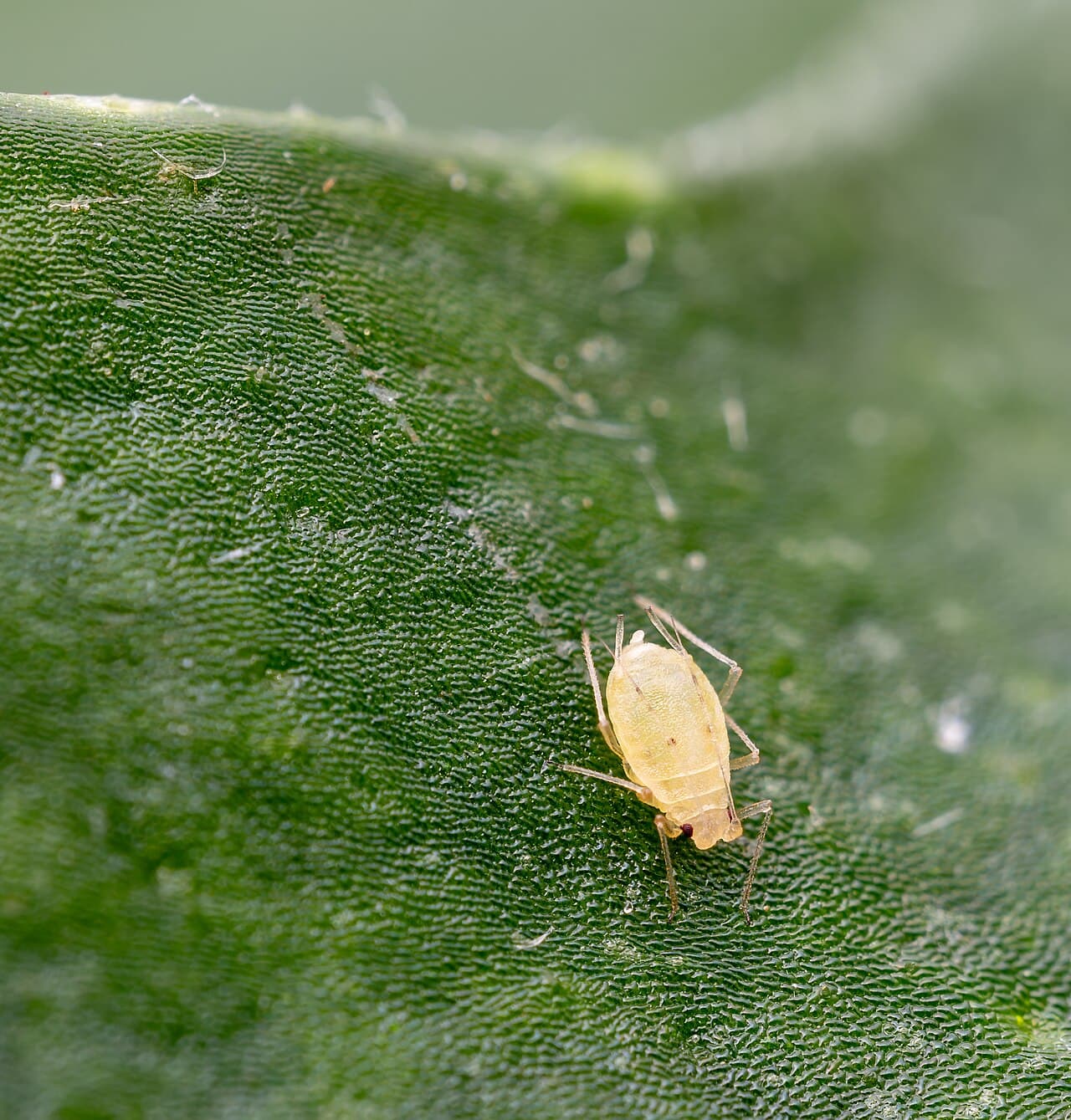
PossibleHow to tell: New growth looks curled and sticky with a shiny substance called honeydew. You might see small green or black insects on the stems.
What to do: Spray the tree with a strong stream of water to knock the aphids off. If the infestation is heavy, use insecticidal soap according to the package directions.
Find out what's wrong with your pear
The list above covers the usual causes. Pocket Botanist looks at a photo of your actual plant and tells you the likely cause, how serious it is, and what to try first. Identification and a health check are free.



Scan with your phone's camera to get the app
Or go to pocketbotanist.app/get on your phone
When to worry
If you see larvae inside your fruit, it is already too late for that specific pear. Take action next season to protect the harvest.
Stopping it coming back
Clean up all fallen fruit immediately to prevent larvae from burrowing into the soil to pupate.
Pear: pests? Check yours with a photo
Every plant is a little different. Take a photo of your pear and Pocket Botanist tells you which cause is most likely, how serious it is, and what to try first. A few checks a day are free. Save the plant and you get care reminders timed for it.
Scan with your phone's camera to get the app
Or go to pocketbotanist.app/get on your phone
Get the app · Or check it from a photo now, free
Questions people ask
- Can I still eat fruit with a worm in it?
- You can cut around the damaged area if the rest of the fruit is firm and healthy. If the fruit is soft or rotting, it is best to discard it.
- When should I put out traps?
- Set your traps as soon as the tree finishes blooming in the spring. This is when the adult moths begin to emerge.
Guides to these causes
More problems with Pear
This article was generated with AI on from the plant’s care profile and is general information, not horticultural advice. Read about how we build these guides.