 Pocket Botanist
Plant guide
European plum.
Prunus domestica
Pronounced PROO-nus doh-MES-tih-kuh
Also known as Bullace plum, Damson plum, European Plum, Gage, Gardalu, Garden plum, Greengage, Plum



Scan with your phone's camera to get the app
Or go to pocketbotanist.app/get on your phone
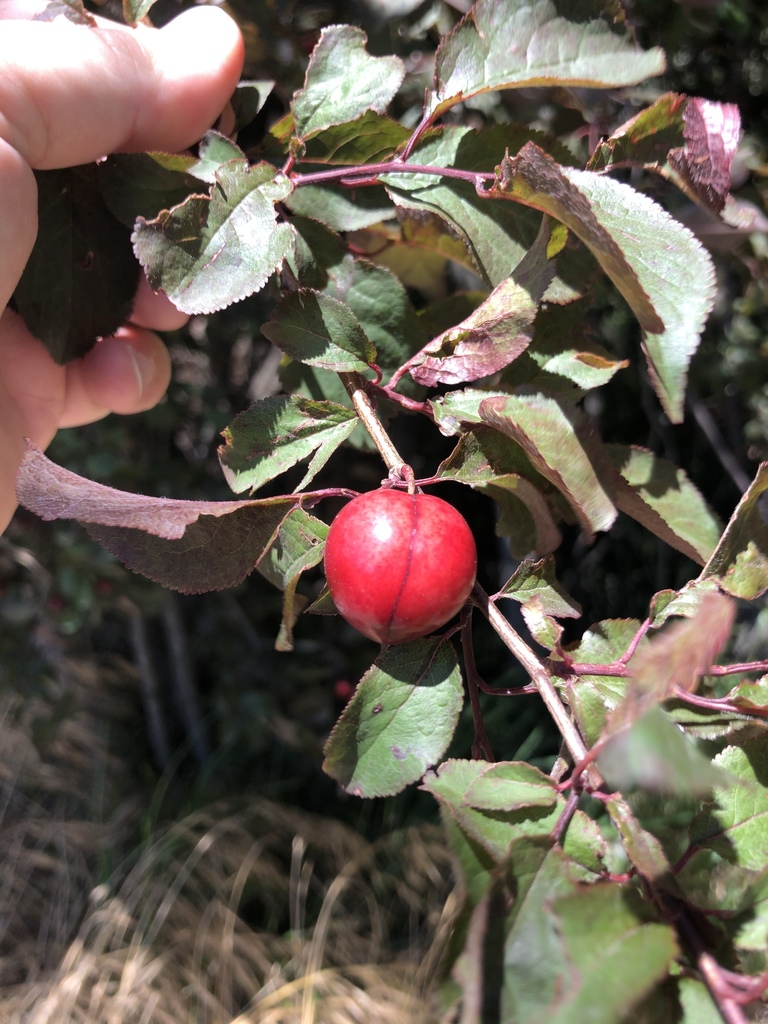
The European plum is a lovely deciduous tree that produces delicious stone fruits in late summer. It thrives in temperate climates and is a staple in many home orchards. You will enjoy its beautiful white spring blossoms before the fruit sets.

At a glance
- Care level
- Moderate
- Plant type
- Deciduous fruit tree
- Light
- Full sun
- Indoor light
- Direct sun
- Water
- Every 7 to 14 days
- Mature size
- 15 to 25 feet
- Growth rate
- Medium
- Hardiness
- USDA 4 to 8
- Bloom time
- Early to mid spring
Care
Plant your tree in a spot with full sun and well draining soil to keep it happy. Watch for signs of pests like aphids or fungal issues on the leaves. Regular thinning of the fruit helps ensure you get a larger and healthier harvest.
- Watering
- Keep the soil consistently moist but never waterlogged, especially during the fruit development stage.
- Feeding
- Apply a balanced fertilizer in early spring just as new growth begins.
- Pruning
- Prune in spring or summer while the tree is actively growing to shape the canopy and remove dead wood. Avoid pruning in winter, as cuts made then invite silver leaf and bacterial canker.
- Repotting
- If growing in a container, move to a slightly larger pot every few years to refresh the soil.
- Soil
- Loamy, well draining soil
- Soil pH
- 6.0 to 7.0
- Temperature
- -25 to 35°C
- Humidity
- 40 to 70%
- Drought tolerance
- Moderate
- Lifespan
- Perennial, typically 15 to 30 years.
- Fragrance
- Light
- Deer and rabbits
- Low
Signs it needs repotting
- Roots growing out of the drainage holes.
- Water sitting on the surface for too long.
- The tree stops growing during the active season.
Safety
- People
- The leaves and pits are toxic if consumed in large quantities due to cyanogenic glycosides.
- Pets
- The leaves and stems contain cyanogenic glycosides which are toxic to cats and dogs if ingested.
- Children
- The pits pose a significant choking hazard to small children.
- Contact allergens
- Some people may experience mild skin irritation from handling the foliage or fruit skin.
- Airborne allergens
- The pollen can trigger seasonal allergies in sensitive individuals during the spring bloom.
- Edibility
- The seeds contain amygdalin, which releases cyanide when ingested, so always discard the pits.
How to identify it
- Oval leaves with serrated edges
- Smooth gray bark on young branches
- White flowers with five petals
- Drupe fruit with a central pit
- Height
- 3 to 6m
- Spread
- 3 to 5m
- Leaves
- green, deciduous
- Flowers
- white, 1.5 to 2.5cm
- Fruit
- purple, blue, yellow, red, Late summer to early autumn
Problems to watch for
- Aphids · Small insects that cluster on new growth and suck sap.
- Brown rot · A fungal infection that causes fruit to decay on the branch.
- Black knot · Fungal growths that appear as hard, black, warty swellings on branches.
Check your european plum from a photo
Pocket Botanist looks at a photo of your plant and tells you what's wrong and what to try first.
Scan with your phone's camera to get the app
Or go to pocketbotanist.app/get on your phone
Growing it
- Propagation
- grafting, cuttings
- When to plant
- early spring, late autumn
- Overwintering
- Ensure the base is mulched to protect roots from extreme temperature fluctuations. Prune away any dead or diseased wood during the dormant winter period.
- In containers
- Dwarf varieties can grow in large containers, but they require a pot at least 50 centimeters wide.
Grafting
- Select a healthy rootstock and a scion of the desired variety.
- Make matching diagonal cuts on both the rootstock and scion.
- Join the pieces together and secure them tightly with grafting tape.
- Seal the graft with wax to prevent drying out.
Planting aromatic herbs around the base can help mask the tree from common orchard pests.
Grows well with
Similar species
Science
- Family
- Rosaceae
- Genus
- Prunus
- Order
- Rosales
- Class
- Magnoliopsida
- Native range
- Western Asia and the Caucasus region.
- Conservation
- Not of conservation concern as it is widely cultivated globally.
It thrives in temperate climates with distinct seasonal changes to trigger dormancy.
- Value to wildlife
- nectar source
- Pollinators
- bees, butterflies
- Uses
- culinary fruit, ornamental tree, jams and jellies
Through the year
Ecological indicators
- Salinity
- 2/9
- Soil reaction
- 6/9
- Light
- 8/9
- Temperature
- 5/9
- Moisture
- 6/9
- Nutrients
- 7/9
Taxonomy resolved against GBIF.
Questions people ask
- Do I need two trees to get fruit?
- Many varieties are self fertile, though planting a second compatible variety nearby often improves the harvest.
- When should I prune my plum tree?
- Pruning is best done in late winter while the tree is dormant.
Where the name comes from
The name Prunus is the classical Latin name for the plum tree, while domestica refers to its long history of cultivation.
Good to know
- Plums are members of the rose family.
- There are over two thousand varieties of plums grown worldwide.
- Dried plums are commonly known as prunes.
- Plum wood is sometimes used for high quality musical instruments.
Also in
Keep your european plum growing
This page is a general guide. Save your plant in Pocket Botanist and you get care reminders timed for this plant, plus a care history that shows what worked.
Scan with your phone's camera to get the app
Or go to pocketbotanist.app/get on your phone
This guide was generated with AI on and checked against GBIF taxonomy. It is general information, not horticultural or veterinary advice. Read about how we build these guides.