 Pocket Botanist
Plant guide
Mouse-ear hawkweed.
Pilosella officinarum
Pronounced pi-lo-SEL-la o-fi-shi-na-RUM
Also known as Mouse-ear Hawkweed, Mouse-eared Hawkweed



Scan with your phone's camera to get the app
Or go to pocketbotanist.app/get on your phone
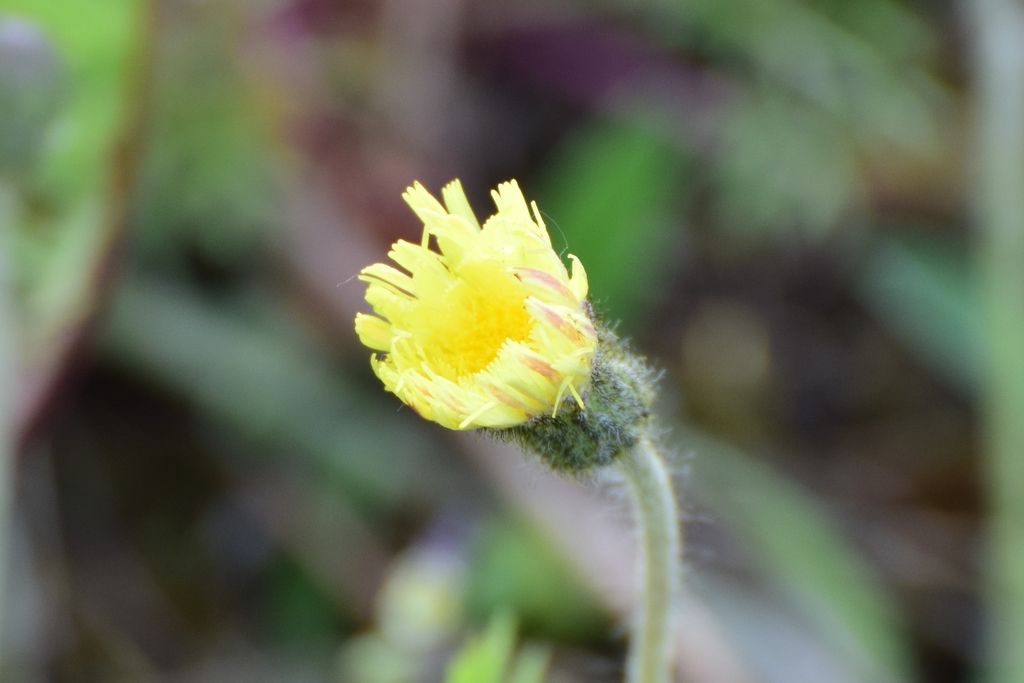
This charming perennial is a low growing plant that spreads through runners. It is known for its fuzzy, tongue shaped leaves and bright yellow, dandelion like flowers. You will often find it thriving in dry, sandy, or rocky soils.

At a glance
- Care level
- Easy
- Plant type
- Perennial herb
- Light
- Full sun
- Indoor light
- Direct sun
- Water
- Every 7 to 14 days
- Mature size
- 10 to 30 cm
- Growth rate
- Medium
- Hardiness
- USDA 3 to 9
- Bloom time
- Late spring to mid summer
Care
Keep this plant in a spot with plenty of sun and well draining soil. Watch for overcrowding, as it can spread quickly and may need to be contained in smaller garden spaces. It is quite drought tolerant once established.
- Watering
- Allow the soil to dry out significantly between waterings.
- Feeding
- Apply a balanced fertilizer sparingly during the spring growing season.
- Pruning
- Remove spent flower stalks to encourage a tidy appearance.
- Repotting
- Repot only when the plant becomes root bound or the soil loses its structure.
- Soil
- Sandy or rocky, well draining
- Soil pH
- Acidic to neutral
- Temperature
- -25 to 35°C
- Humidity
- 20 to 60%
- Drought tolerance
- High
- Lifespan
- Perennial, typically 3 to 5 years.
- Deer and rabbits
- High
Signs it needs repotting
- Roots growing out of drainage holes
- Water running straight through the pot
Safety
- People
- It is not considered toxic but is not intended for human consumption.
- Children
- Keep children away from the plant to prevent accidental ingestion of plant parts.
- Contact allergens
- The fine hairs on the leaves may cause mild skin irritation in sensitive individuals.
- Airborne allergens
- Pollen may cause mild reactions in those with severe seasonal allergies.
- Edibility
- This plant is not considered a food source and should not be consumed.
How to identify it
- Fuzzy, greyish green leaves
- Single yellow flower heads
- Spreads via creeping stolons
- Leaves form a basal rosette
- Height
- 0.05 to 0.25m
- Spread
- 0.15 to 0.4m
- Leaves
- green, grayish-green, evergreen
- Flowers
- yellow, 1 to 3cm
Problems to watch for
- Powdery mildew · A white fungal growth appears on leaves during humid conditions.
Check your mouse-ear hawkweed from a photo
Pocket Botanist looks at a photo of your plant and tells you what's wrong and what to try first.
Scan with your phone's camera to get the app
Or go to pocketbotanist.app/get on your phone
Growing it
- Propagation
- division, seed, stolons
- When to plant
- spring, autumn
- Overwintering
- No special care is needed as it is fully hardy and remains evergreen in many climates.
- In containers
- It grows well in shallow containers, but ensure excellent drainage to prevent root rot.
Division
- 1. Dig up a clump in spring.
- 2. Separate the rooted stolons.
- 3. Replant immediately in well drained soil.
Group this plant with other low growing, drought tolerant species to create a stable ground cover.
Grows well with
Similar species
- Orange hawkweed · It has a similar growth habit but features distinct orange flowers.
Science
- Family
- Asteraceae
- Genus
- Pilosella
- Order
- Asterales
- Class
- Magnoliopsida
- Native range
- Europe and western Asia.
- Conservation
- It is considered an invasive weed in many regions outside its native range.
It colonizes disturbed, nutrient poor soils by forming dense mats that outcompete other vegetation.
- Value to wildlife
- nectar source
- Pollinators
- bees, butterflies
- Uses
- ground cover, rock gardens, meadow planting
Through the year
Ecological indicators
- Salinity
- 1/9
- Soil reaction
- 5/9
- Light
- 8/9
- Temperature
- 5/9
- Moisture
- 2/9
- Nutrients
- 2/9
Taxonomy resolved against GBIF.
Questions people ask
- Is this plant invasive?
- Yes, it can be quite aggressive in lawns and pastures.
- Does it need much water?
- No, it is very drought tolerant once established.
Where the name comes from
The name Pilosella comes from the Latin word for hairy, referring to the fuzzy leaves, while officinarum refers to its historical use in apothecaries.
Good to know
- It is also known as mouse ear hawkweed due to its fuzzy leaves.
- The plant can thrive in very poor, dry soils where other plants struggle.
- It produces seeds without fertilization in a process called apomixis.
Also in
Keep your mouse-ear hawkweed growing
This page is a general guide. Save your plant in Pocket Botanist and you get care reminders timed for this plant, plus a care history that shows what worked.
Scan with your phone's camera to get the app
Or go to pocketbotanist.app/get on your phone
This guide was generated with AI on and checked against GBIF taxonomy. It is general information, not horticultural or veterinary advice. Read about how we build these guides.