 Pocket Botanist
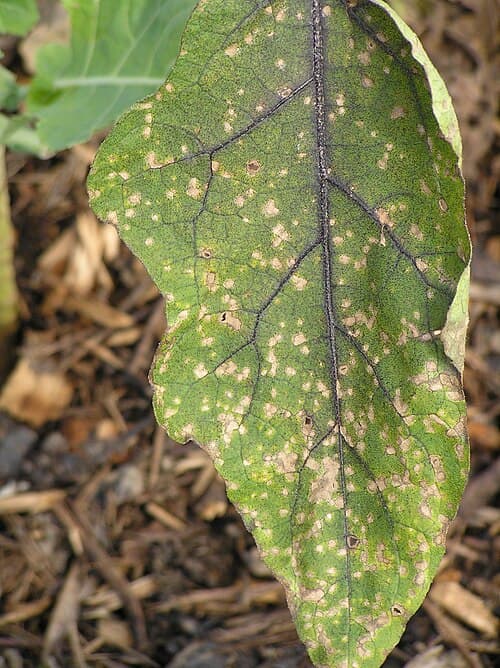

Check these first
- Look closely to see if the spots are white and dusty.
- Check the humidity levels in your room.
- Inspect the leaves for signs of water droplets.
Likely causes
Powdery mildew
Most likelyHow to tell: You see a white, dusty, or flour like coating on the leaves. It often starts in patches and can spread across the whole plant.
What to do: Improve air circulation around the plant immediately. You can wipe the leaves with a damp cloth or use a mild neem oil spray to treat the fungus.
Water splashing
PossibleHow to tell: Small brown or dark spots appear on the leaves after watering. This happens when water sits on the foliage for too long.
What to do: Always water at the base of the plant rather than over the top. Try to keep the leaves dry during your watering routine.
Find out what's wrong with your mouse-ear hawkweed
The list above covers the usual causes. Pocket Botanist looks at a photo of your actual plant and tells you the likely cause, how serious it is, and what to try first. Identification and a health check are free.



Scan with your phone's camera to get the app
Or go to pocketbotanist.app/get on your phone
When to worry
Powdery mildew can weaken the plant if left untreated for a long time. Address it as soon as you see the first white spots to prevent a full infestation.
Stopping it coming back
Ensure your plant has plenty of space and good airflow to keep the leaves dry and healthy.
Mouse-ear hawkweed: spots? Check yours with a photo
Every plant is a little different. Take a photo of your mouse-ear hawkweed and Pocket Botanist tells you which cause is most likely, how serious it is, and what to try first. A few checks a day are free. Save the plant and you get care reminders timed for it.
Scan with your phone's camera to get the app
Or go to pocketbotanist.app/get on your phone
Get the app · Or check it from a photo now, free
Questions people ask
- Is powdery mildew contagious to other plants?
- Yes, it can spread through the air to other plants nearby. It is best to isolate the affected plant until it is fully treated.
- Should I throw the plant away?
- No, it is usually easy to treat. With better airflow and a little care, your Mouse-ear hawkweed will bounce back just fine.
Guides to these causes
More problems with Mouse-ear hawkweed
- Why is my Mouse-ear hawkweed looking so leggy?
- Why is my mouse-ear hawkweed not blooming?
- How do I fix root rot in my mouse-ear hawkweed?
- Why are my Mouse-ear hawkweed leaves turning yellow?
- Why are the tips of my mouse-ear hawkweed turning brown?
- Why is my mouse-ear hawkweed drooping?
- Are there bugs on my mouse-ear hawkweed?
- Why are my mouse-ear hawkweed leaves curling?
Back to the Mouse-ear hawkweed guide
This article was generated with AI on from the plant’s care profile and is general information, not horticultural advice. Read about how we build these guides.