 Pocket Botanist
Plant guide
Wood sorrel.
Oxalis
Pronounced ok-SAL-iss
Also known as Sorrel, Sorrels, Suurings, Wood Sorrel, Wood-sorrels, Woodsorrel, Woodsorrels, billy goat grass


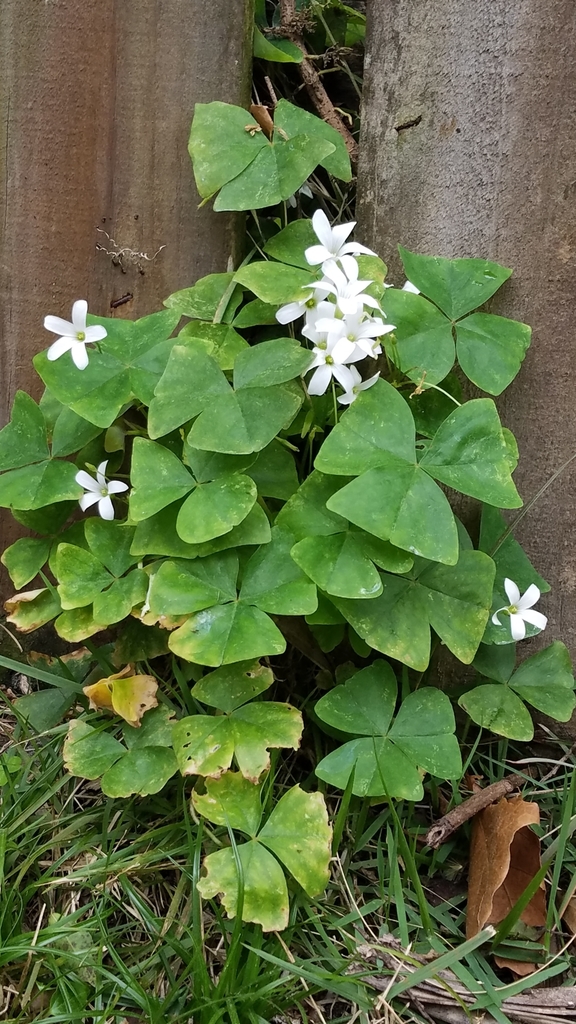
Oxalis are charming plants known for their clover like leaves that often fold up at night. They come in many varieties, including those with vibrant purple or green foliage. These plants are a delight to grow indoors or in the garden.

At a glance
- Care level
- Easy
- Plant type
- Perennial bulb
- Light
- Bright indirect light is best for keeping the foliage compact and colorful.
- Indoor light
- Bright indirect
- Water
- Every 5 to 10 days
- Mature size
- 12 inches
- Growth rate
- Medium
- Hardiness
- USDA 6 to 10
- Bloom time
- Spring to early summer
Care
Keep the soil lightly moist but never soggy to prevent the bulbs from rotting. Watch for drooping leaves, which usually signal that the plant needs more light or a drink. They appreciate a dormant period when you should reduce water significantly.
- Watering
- Water when the top inch of soil feels dry to the touch.
- Feeding
- Apply a balanced liquid fertilizer once a month during the active growing season.
- Pruning
- Trim back any yellowing or dead stems to encourage fresh growth.
- Repotting
- Repot in the spring if the bulbs have become too crowded in their container.
- Soil
- Well draining potting mix
- Soil pH
- 6.0 to 7.0
- Temperature
- 5 to 25°C
- Humidity
- 40 to 60%
- Drought tolerance
- Moderate
- Lifespan
- Perennial, typically 3 to 5 years with proper dormancy.
- Deer and rabbits
- Moderate
Signs it needs repotting
- Roots growing out of the drainage holes.
- The plant becomes crowded and stops producing new growth.
- Soil dries out much faster than usual.
Safety
- People
- The plant is considered mildly toxic due to high levels of soluble oxalates.
- Pets
- This plant is toxic to cats and dogs if ingested due to soluble calcium oxalates.
- Children
- Keep away from small children as the leaves look like clover and may be tempting to eat.
- Contact allergens
- The sap may cause mild skin irritation in sensitive individuals.
- Airborne allergens
- There are no significant reports of respiratory allergies associated with this plant.
- Edibility
- Oxalis contains oxalic acid, which can be harmful if consumed in large quantities.
How to identify it
- Three heart shaped leaflets per leaf
- Leaves fold down at night
- Small five petaled trumpet flowers
- Grows from small underground bulbs
- Height
- 0.1 to 0.3m
- Spread
- 0.15 to 0.45m
- Leaves
- green, purple, burgundy, deciduous
- Flowers
- white, pink, yellow, 1 to 3cm
Problems to watch for
- AphidsCommon
- RustCommon
- Botrytis BlightUncommon
- MealybugsUncommon
- Root RotUncommon
- Spider MitesUncommon
By symptom
Check your wood sorrel from a photo
Pocket Botanist looks at a photo of your plant and tells you what's wrong and what to try first.
Growing it
- Propagation
- division, bulbils
- When to plant
- spring, autumn
- Overwintering
- If growing in cold regions, allow the foliage to die back naturally in autumn. Keep the soil mostly dry during the dormant phase until new growth appears in spring.
- In containers
- They thrive in containers and look lovely in hanging baskets, provided the pot has excellent drainage.
Division
- 1. Gently lift the plant from its pot during the dormant season.
- 2. Separate the small bulbils or rhizomes from the main clump.
- 3. Replant the sections into fresh, well draining potting mix.
Plant them in the foreground of larger shade plants to create a lush, layered look.
Grows well with
Similar species
- Shamrock — Often confused due to similar leaf shape, though they are unrelated.
Science
- Family
- Oxalidaceae
- Genus
- Oxalis
- Order
- Oxalidales
- Class
- Magnoliopsida
- Native range
- Found globally, particularly in tropical and warm temperate regions.
- Conservation
- Most species are common and not of conservation concern.
These plants often grow in shaded forest floors or rocky crevices where they can quickly colonize open patches.
- Value to wildlife
- nectar source
- Pollinators
- bees, butterflies
- Uses
- groundcover, container plant, rock garden
Through the year
Ecological indicators
- Salinity
- 2/9
- Soil reaction
- 5/9
- Light
- 5/9
- Temperature
- 5/9
- Moisture
- 4/9
- Nutrients
- 3/9
Taxonomy resolved against GBIF.
Questions people ask
- Why are my leaves closing?
- This is a natural response to low light or nighttime conditions.
- Do these need a dormant period?
- Yes, many species require a dry, cool rest period after flowering.
Where the name comes from
The name Oxalis comes from the Greek word oxys, meaning sharp or sour, due to the oxalic acid content. The common name wood sorrel refers to its habitat and taste.
Good to know
- The name comes from the Greek word for sour, referring to the acidic taste of the leaves.
- Some species are known as shamrocks and are associated with St. Patrick's Day.
- They are incredibly resilient and can grow in very poor soil.
Also in
Keep your wood sorrel growing
This page is a general guide. Save your plant in Pocket Botanist and you get care reminders timed for this plant, plus a care history that shows what worked.
This guide was generated with AI and checked against GBIF taxonomy. It is general information, not horticultural or veterinary advice. Read about how we build these guides.