 Pocket Botanist
Guía de plantas
Acedera de madera.
Oxalis
Pronunciación ok-SAL-iss
También se conoce como Acedera, Acederas, Suurings, Acedera de madera, Acederas de madera, Acedera de madera, Acederas de madera, billy goat grass


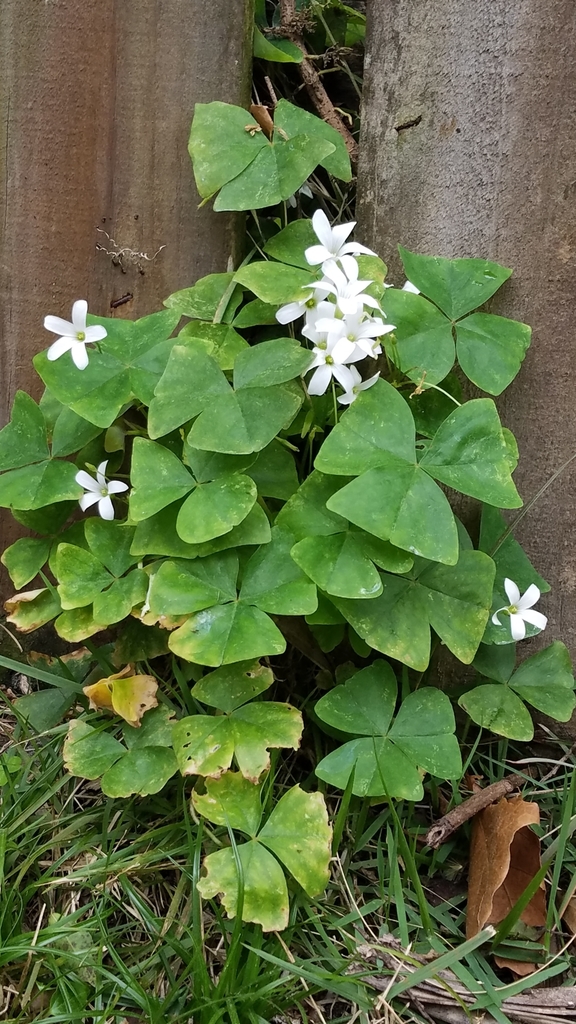
Las Oxalis son plantas encantadoras conocidas por sus hojas parecidas a tréboles que a menudo se pliegan por la noche. Vienen en muchas variedades, incluidas aquellas con follaje morado o verde vibrante. Estas plantas son una delicia para cultivar en interiores o en el jardín.

De un vistazo
- Nivel de cuidados
- Fácil
- Tipo de planta
- Bulbo perenne
- Luz
- La luz brillante e indirecta es mejor para mantener el follaje compacto y colorido.
- Luz en interior
- Luz indirecta brillante
- Riego
- Cada 5 a 10 días
- Tamaño adulto
- 12 pulgadas
- Ritmo de crecimiento
- Medio
- Rusticidad
- USDA 6 a 10
- Floración
- Primavera a principios de verano
Cuidados
Mantén la tierra ligeramente húmeda pero nunca empapada para evitar que los bulbos se pudran. Vigila las hojas caídas, que normalmente indican que la planta necesita más luz o un trago. Aprecian un período de latencia durante el cual debes reducir significativamente el riego.
- Riego
- Riega cuando la pulgada superior de la tierra se sienta seca al tacto.
- Abonado
- Aplica un fertilizante líquido equilibrado una vez al mes durante la temporada de crecimiento activo.
- Poda
- Recorta cualquier tallo amarillento o muerto para fomentar un crecimiento nuevo.
- Trasplante
- Trasplanta en primavera si los bulbos se han apretado demasiado en su contenedor.
- Suelo
- Mezcla para macetas bien drenada
- pH del suelo
- 6.0 a 7.0
- Temperatura
- 5 a 25°C
- Humedad
- 40 a 60%
- Tolerancia a la sequía
- Moderada
- Longevidad
- Perenne, típicamente de 3 a 5 años con una latencia adecuada.
- Resistencia a ciervos y conejos
- Moderada
Señales de que necesita trasplante
- Las raíces crecen fuera de los agujeros de drenaje.
- La planta se vuelve abarrotada y deja de producir nuevo crecimiento.
- La tierra se seca mucho más rápido de lo normal.
Seguridad
- Personas
- La planta se considera ligeramente tóxica debido a los altos niveles de oxalatos solubles.
- Mascotas
- Esta planta es tóxica para gatos y perros si se ingiere debido a los oxalatos de calcio solubles.
- Niños
- Mantener alejado de los niños pequeños ya que las hojas se parecen a las del trébol y pueden ser tentadoras para comer.
- Alérgenos por contacto
- La savia puede causar irritación leve de la piel en personas sensibles.
- Alérgenos en el aire
- No hay informes significativos de alergias respiratorias asociadas con esta planta.
- Comestibilidad
- Oxalis contiene ácido oxálico, que puede ser perjudicial si se consume en grandes cantidades.
Cómo identificarla
- Tres folíolos en forma de corazón por hoja
- Las hojas se pliegan por la noche
- Pequeñas flores en forma de trompeta de cinco pétalos
- Crece a partir de pequeños bulbos subterráneos
- Altura
- 0,1 a 0,3m
- Anchura
- 0,15 a 0,45m
- Hojas
- verde, morado, granate, caducifolio
- Flores
- blanco, rosa, amarillo, 1 a 3cm
Problemas a vigilar
- PulgonesComún
- RoyaComún
- Araña rojaPoco común
- BotritisPoco común
- Cochinillas algodonosasPoco común
- Podredumbre radicularPoco común
- Herrumbre — Infección fúngica que causa manchas anaranjadas en el follaje.
Por síntoma
Revisa tu acedera de madera con una foto
Pocket Botanist mira una foto de tu planta y te dice qué le pasa y qué probar primero.
Cómo cultivarla
- Propagación
- división, cormelos
- Cuándo plantar
- primavera, otoño
- Cuidados en invierno
- Si creces en regiones frías, deja que el follaje muera naturalmente en otoño. Mantén la tierra mayormente seca durante la fase de latencia hasta que aparezca nuevo crecimiento en primavera.
- En maceta
- Prosperan en macetas y se ven encantadoras en cestas colgantes, siempre que la maceta tenga un drenaje excelente.
División
- 1. Levanta suavemente la planta de su maceta durante la temporada de latencia.
- 2. Separa los pequeños cormelos o rizomas del bulto principal.
- 3. Replanta las secciones en una mezcla de tierra para macetas fresca y bien drenada.
Plántalas en el primer plano de plantas de sombra más grandes para crear un aspecto exuberante y en capas.
Buenas compañeras
- Helecho espada del oeste — Comparten requisitos de luz y humedad similares en entornos boscosos.
- Lirio de plátano — Sus hojas anchas proporcionan un bonito contraste textural con el delicado follaje de Oxalis.
Especies parecidas
- Trébol blanco — A menudo se confunden debido a la forma similar de las hojas, aunque no están relacionados.
Ciencia
- Familia
- Oxalidaceae
- Género
- Oxalis
- Orden
- Oxalidales
- Clase
- Magnoliopsida
- Distribución natural
- Se encuentran en todo el mundo, particularmente en regiones tropicales y templadas cálidas.
- Conservación
- La mayoría de las especies son comunes y no de especial preocupación para la conservación.
Estas plantas a menudo crecen en suelos de bosques sombreados o grietas rocosas donde pueden colonizar rápidamente parches abiertos.
- Valor para la fauna
- fuente de néctar
- Polinizadores
- abejas, mariposas
- Usos
- planta de cobertura, planta de maceta, jardín de rocas
A lo largo del año
Indicadores ecológicos
- Salinidad
- 2/9
- Reacción del suelo
- 5/9
- Luz
- 5/9
- Temperatura
- 5/9
- Humedad
- 4/9
- Nutrientes
- 3/9
Taxonomía cotejada con GBIF.
Lo que más preguntan
- ¿Por qué se cierran mis hojas?
- Esta es una respuesta natural a las condiciones de poca luz o nocturnas.
- ¿Necesitan estas plantas un período de latencia?
- Sí, muchas especies requieren un período de descanso seco y fresco después de la floración.
De dónde viene el nombre
El nombre Oxalis proviene de la palabra griega oxys, que significa agudo o ácido, debido al contenido de ácido oxálico. El nombre común de acedera se refiere a su hábitat y sabor.
Bueno saberlo
- El nombre proviene de la palabra griega para ácido, refiriéndose al sabor ácido de las hojas.
- Algunas especies se conocen como tréboles y se asocian con el Día de San Patricio.
- Son increíblemente resistentes y pueden crecer en suelos muy pobres.
También en
Que tu acedera de madera siga creciendo
Esta página es una guía general. Guarda tu planta en Pocket Botanist y tendrás recordatorios de cuidado pensados para esta planta, además de un historial de cuidados que muestra qué ha funcionado.
Esta guía se ha generado con IA y se ha cotejado con la taxonomía de GBIF. Es información general, no asesoramiento botánico ni veterinario. Descubre cómo elaboramos estas guías.