 Pocket Botanist
Plant guide
Sea Lavender.
Limonium perezii
Pronounced li-MO-nee-um peh-REH-zee-eye
Also known as Canary Sea Lavender, Perez's sea lavender


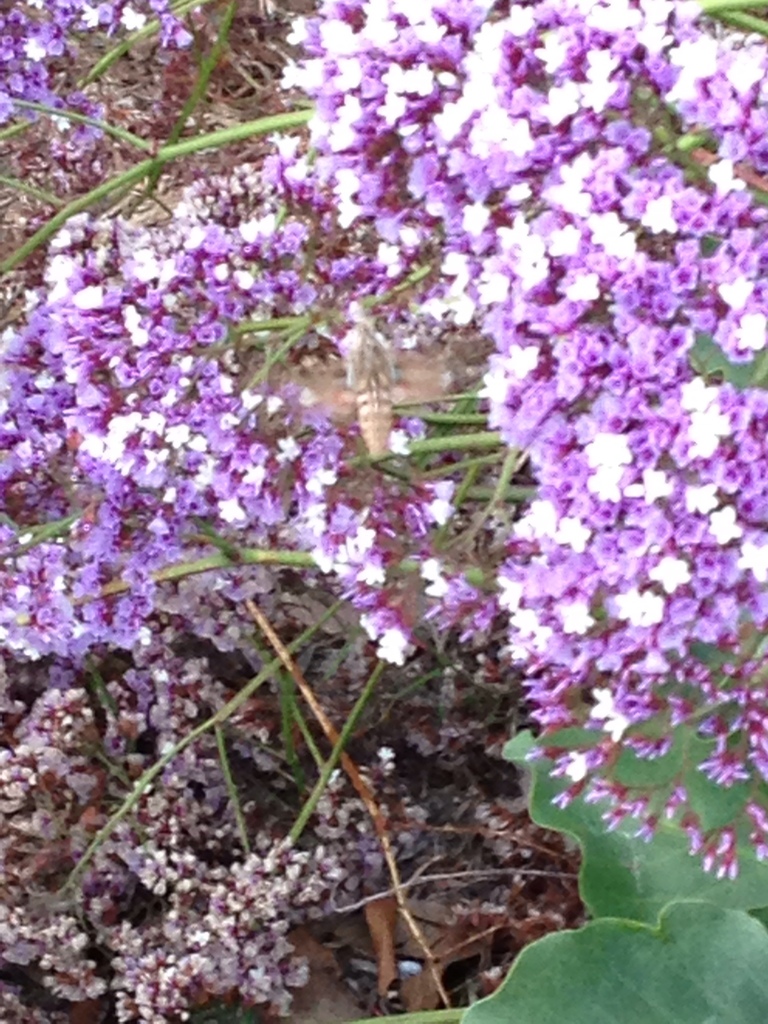
Sea lavender is a charming, salt tolerant plant that brings a lovely splash of purple to coastal gardens. It features large, papery flower clusters that hold their color even when dried. This plant thrives in sunny, well drained spots and adds a nice architectural touch to any landscape.
At a glance
- Care level
- Easy
- Plant type
- Perennial
- Light
- Full sun
- Indoor light
- direct
- Water
- Every 7 to 14 days
- Mature size
- 60 to 90 cm
- Growth rate
- medium
- Hardiness
- USDA 9 to 11
- Bloom time
- Late spring to early autumn
Care
Plant in very well draining soil to prevent root rot, as this species dislikes sitting in wet conditions. Watch for yellowing leaves, which often signal that the soil is staying too damp. Deadhead spent flower stalks to encourage a tidy appearance and potentially a second flush of blooms.
- Watering
- Allow the soil to dry out significantly between waterings.
- Feeding
- Apply a balanced, slow release fertilizer during the active growing season.
- Pruning
- Trim back spent flower stalks to the base to keep the plant looking neat.
- Repotting
- Repot only when the plant becomes rootbound in its container.
- Soil
- Sandy, rocky, or well draining loam
- Soil pH
- Neutral to slightly alkaline
- Temperature
- -1 to 35°C
- Humidity
- 20 to 50%
- Drought tolerance
- high
- Lifespan
- Perennial, typically 3 to 5 years.
- Deer and rabbits
- high
Signs it needs repotting
- Roots growing out of the bottom drainage holes.
- Water sitting on the surface of the soil for too long.
- The plant looks stunted despite adequate light.
Safety
- People
- It is generally considered non toxic, but it is best to keep it away from pets and small children to avoid accidental ingestion.
- Pets
- This plant is generally considered non toxic to cats and dogs.
- Children
- The dried stems can be sharp or brittle, so keep them out of reach of curious toddlers.
- Contact allergens
- The sap may cause mild skin irritation in sensitive individuals.
- Airborne allergens
- The dried flowers can release fine dust particles that might irritate sensitive airways.
- Edibility
- This plant is not intended for consumption and may cause digestive upset if ingested.
How to identify it
- Large, leathery, dark green basal leaves
- Tall, branching stems with papery flowers
- Clusters of tiny, deep purple blooms
- White centers on individual small flowers
- Height
- 0.45 to 0.9m
- Spread
- 0.45 to 0.6m
- Leaves
- dark green, evergreen
- Flowers
- purple, white, 0.5 to 1cm
Common problems
- Crown rot — This occurs when the soil stays too wet for too long, causing the base of the plant to decay.
- Aphids — These small insects cluster on new growth and suck sap from the plant.
Growing it
- Propagation
- seed, division
- When to plant
- spring
- Overwintering
- Protect from heavy frost and ensure the soil remains on the drier side during the winter months to prevent rot.
- In containers
- It grows well in containers as long as you use a very gritty, fast draining potting mix and a pot with large drainage holes.
Seed Sowing
- Sow seeds in a well draining seed starting mix.
- Keep the tray in a bright, warm location.
- Transplant seedlings once they have two sets of true leaves.
Group this plant with others that prefer dry, lean soil to prevent root rot from overwatering.
Grows well with
- Lavender — They share similar requirements for sun and well draining soil.
- California Poppy — Both plants thrive in dry, sunny conditions and provide a nice color contrast.
Similar species
- Statice — It is a close relative often used in similar dried floral arrangements.
Science
- Family
- Plumbaginaceae
- Genus
- Limonium
- Order
- Caryophyllales
- Class
- Magnoliopsida
- Native range
- Canary Islands.
- Conservation
- It is native to the Canary Islands and is not currently listed as endangered in its natural habitat.
It has evolved to withstand high salt spray and sandy, nutrient poor soils in its native coastal environment.
- Value to wildlife
- nectar source
- Pollinators
- bees, butterflies
- Uses
- ornamental garden plant, dried flower arrangements, coastal landscaping
Through the year
Ecological indicators
- Salinity
- 6/9
- Soil reaction
- 7/9
- Light
- 8/9
- Temperature
- 7/9
- Moisture
- 3/9
- Nutrients
- 2/9
Taxonomy resolved against GBIF.
Questions people ask
- Does it need full sun?
- Yes, it performs best with at least six hours of direct sunlight daily.
- How often should I water it?
- Water deeply but allow the soil to dry out significantly between waterings.
Where the name comes from
The genus name Limonium comes from the Greek word for meadow, referring to its original habitat, while the species name honors the botanist V. Perez.
Good to know
- It is often called sea lavender because it thrives in salty, coastal air.
- The flowers are technically inflorescences that hold their color for months.
- It is a popular choice for wedding bouquets because it dries perfectly.
Is your sea lavender looking unwell?
This page is a general guide. Pocket Botanist diagnoses problems from a photo of your actual plant, works out watering for your light and conditions, and reminds you when care is due.
This guide was generated with AI and checked against GBIF taxonomy. It is general information, not horticultural or veterinary advice. Read about how we build these guides.