 Pocket Botanist

Check these first
- Examine the fruit for small holes or soft spots.
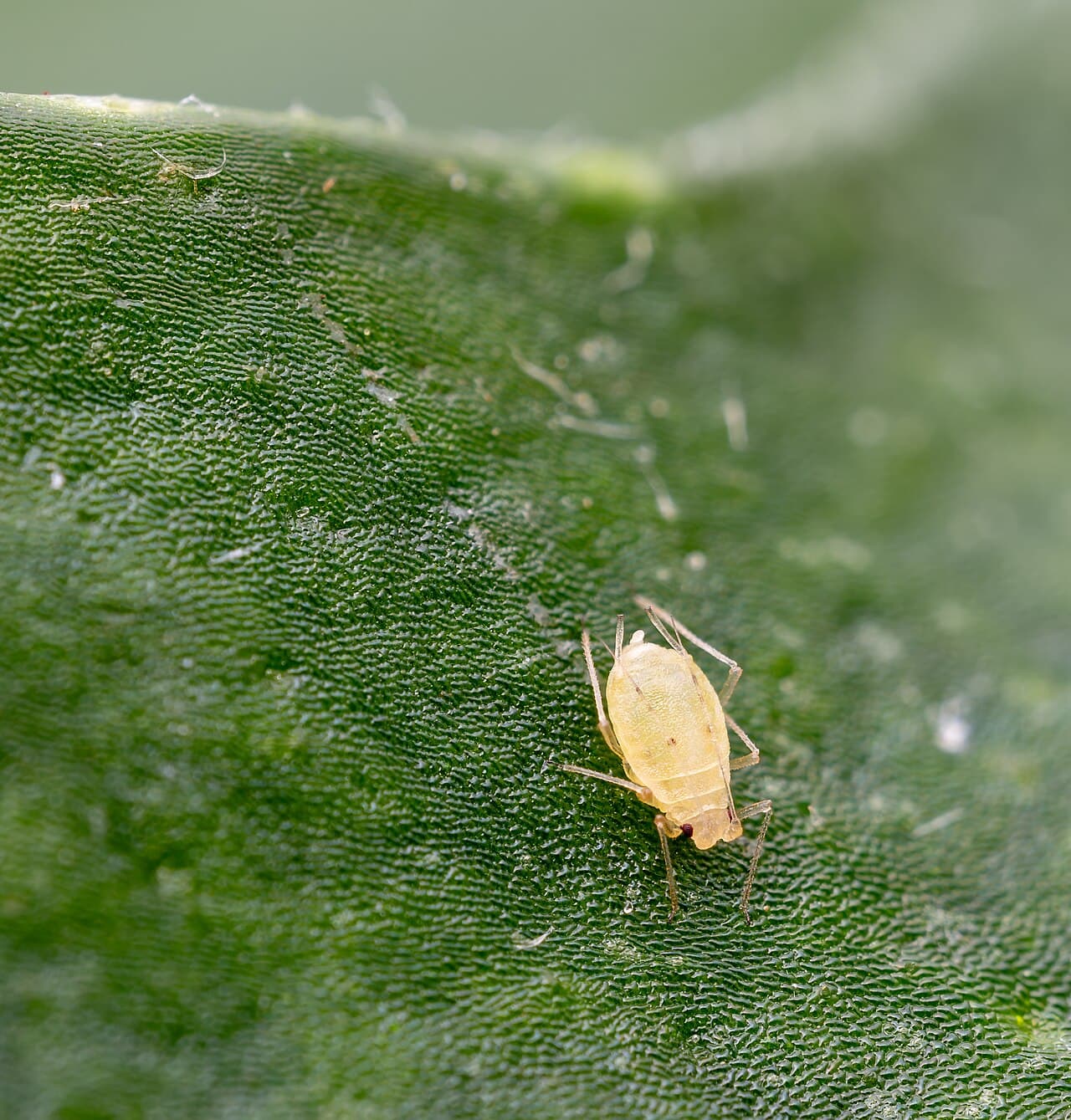
- Look at the undersides of leaves for tiny insects.
- Check for sticky residue on the foliage.
Likely causes
Sea Buckthorn Fly
Most likelyHow to tell: The fruit appears shriveled, discolored, or soft before it is fully ripe.
What to do: Remove and destroy any infested fruit immediately to break the life cycle. You can also use fine mesh netting over the branches in early summer to prevent flies from laying eggs.
Aphids
PossibleHow to tell: You see small clusters of tiny insects on the undersides of leaves or new shoots.
What to do: Spray the affected areas with a strong stream of water to knock them off. If the infestation is heavy, apply insecticidal soap according to the label instructions.
Find out what's wrong with your sea buckthorn
The list above covers the usual causes. Pocket Botanist looks at a photo of your actual plant and tells you the likely cause, how serious it is, and what to try first. Identification and a health check are free.



Scan with your phone's camera to get the app
Or go to pocketbotanist.app/get on your phone
When to worry
If the fruit is heavily infested, it is likely too late to save that season's crop. Focus on prevention for the following year.
Stopping it coming back
Keep the area around the base of the plant clear of debris and use netting to physically block pests during the fruiting season.
Sea Buckthorn: pests? Check yours with a photo
Every plant is a little different. Take a photo of your sea buckthorn and Pocket Botanist tells you which cause is most likely, how serious it is, and what to try first. A few checks a day are free. Save the plant and you get care reminders timed for it.
Scan with your phone's camera to get the app
Or go to pocketbotanist.app/get on your phone
Get the app · Or check it from a photo now, free
Questions people ask
- Are the berries safe to eat if I see pests?
- If the fruit is shriveled or shows signs of larvae, it is best to discard it. Healthy looking fruit is generally fine.
- Do I need to use harsh chemicals?
- Usually not. Physical barriers and manual removal are often enough to manage these pests effectively.
Guides to these causes
More problems with Sea Buckthorn
Back to the Sea Buckthorn guide
This article was generated with AI on from the plant’s care profile and is general information, not horticultural advice. Read about how we build these guides.