 Pocket Botanist
Plant guide
Tropical Hibiscus.
Hibiscus
Pronounced hi-BIS-kus RO-zuh sy-NEN-sis
Also known as Hibiscus, Rose-mallow, Rosemallow, hibiscuses, rose mallows



Scan with your phone's camera to get the app
Or go to pocketbotanist.app/get on your phone

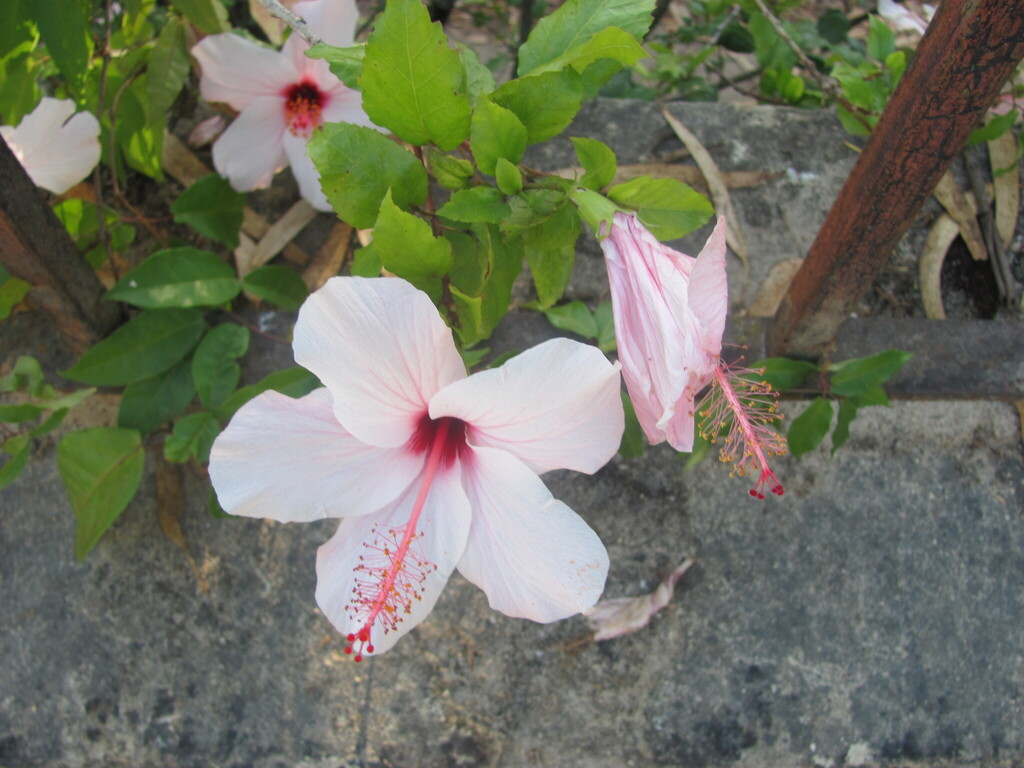
Tropical hibiscus is a stunning shrub known for its large, vibrant, trumpet shaped flowers. It thrives in warm climates and brings a touch of the tropics to any sunny spot. You will love how these blooms brighten up your patio or garden.
At a glance
- Care level
- Moderate
- Plant type
- Shrub
- Light
- Full sun
- Indoor light
- Direct sun
- Water
- Every 2 to 4 days
- Mature size
- 10 feet
- Growth rate
- Fast
- Hardiness
- USDA 9 to 11
- Bloom time
- Late spring to early autumn
Care
Keep the soil consistently moist but never soggy to prevent root rot. Watch for yellowing leaves, which often signal that the plant needs more light or has been overwatered. Regular deadheading will encourage your hibiscus to produce more of those beautiful blooms.
- Watering
- Water when the top inch of soil feels dry to the touch.
- Feeding
- Use a high potassium fertilizer during the active growing season.
- Pruning
- Trim back long branches in early spring to encourage a bushier shape.
- Repotting
- Move to a slightly larger pot when roots begin to circle the bottom.
- Soil
- Well draining, fertile potting mix
- Soil pH
- 6.0 to 7.0
- Temperature
- 10 to 35°C
- Humidity
- 50 to 80%
- Drought tolerance
- Low
- Lifespan
- Perennial, typically 10 to 20 years with proper care.
- Deer and rabbits
- Moderate
Signs it needs repotting
- Roots growing out of the drainage holes.
- Water running straight through the pot without soaking in.
- Stunted growth during the active season.
Safety
- People
- The plant is generally considered non-toxic to humans, but ingestion of large amounts may cause mild stomach upset.
- Pets
- This plant is generally considered non-toxic to cats and dogs.
- Children
- Keep away from small children as the large, colorful flowers may be tempting to eat, potentially causing minor digestive distress.
- Contact allergens
- Some people may experience mild skin irritation from handling the stems or leaves.
- Airborne allergens
- The pollen can be an allergen for sensitive individuals during the peak flowering season.
- Edibility
- While some hibiscus species are edible, the common tropical Hibiscus rosa-sinensis is not typically consumed and should be avoided.
How to identify it
- Large, showy, five petaled flowers
- Glossy, dark green, oval leaves
- Prominent central stamen column
- Woody, upright shrub growth habit
- Height
- 1.5 to 4.5m
- Spread
- 1 to 3m
- Leaves
- dark green, glossy, evergreen
- Flowers
- red, pink, yellow, orange, white, 10 to 18cm
- Fruit
- brown
Problems to watch for
- Aphids · Small insects that cluster on new growth and flower buds.
- Whitefly · Tiny white insects that feed on the undersides of leaves.
Check your tropical hibiscus from a photo
Pocket Botanist looks at a photo of your plant and tells you what's wrong and what to try first.
Scan with your phone's camera to get the app
Or go to pocketbotanist.app/get on your phone
Growing it
- Propagation
- cuttings, grafting
- When to plant
- spring, early summer
- Overwintering
- In cooler areas, move containers indoors before the first frost. Keep the plant in a bright, cool spot and reduce watering significantly until spring.
- In containers
- They grow very well in containers, provided the pot is at least 30 centimeters in diameter and has excellent drainage.
Stem Cuttings
- 1. Take a 10 to 15 centimeter cutting from a healthy, non-flowering stem.
- 2. Remove the lower leaves, leaving only a few at the top.
- 3. Dip the cut end in rooting hormone.
- 4. Plant in a moist, well-draining potting mix.
- 5. Cover with a plastic bag to maintain humidity until roots form.
Pair with other tropical shrubs that appreciate consistent moisture and high light levels.
Grows well with
Similar species
- Rose of Sharon · A hardier relative that can withstand colder climates.
Science
- Family
- Malvaceae
- Genus
- Hibiscus
- Order
- Malvales
- Class
- Magnoliopsida
- Native range
- Tropical Asia
- Conservation
- Not of conservation concern.
It grows in warm, humid environments where it relies on pollinators like hummingbirds and butterflies to reproduce.
- Value to wildlife
- nectar source
- Pollinators
- bees, butterflies, hummingbirds
- Uses
- ornamental shrub, hedge plant, container specimen
Through the year
Ecological indicators
- Salinity
- 2/9
- Soil reaction
- 6/9
- Light
- 8/9
- Temperature
- 8/9
- Moisture
- 7/9
- Nutrients
- 6/9
Taxonomy resolved against GBIF.
Questions people ask
- Why are my flower buds falling off?
- This is often caused by inconsistent watering or sudden changes in temperature.
- How do I get more flowers?
- Ensure the plant gets at least six hours of direct sunlight and regular fertilizer during the growing season.
Where the name comes from
The name Hibiscus comes from the Greek word hibiskos, which was a name for the marsh mallow plant.
Good to know
- Hibiscus is the national flower of Malaysia.
- The flowers are often used in hair as a decorative accessory in tropical cultures.
- They thrive in warm, sunny spots with plenty of moisture.
Keep your tropical hibiscus growing
This page is a general guide. Save your plant in Pocket Botanist and you get care reminders timed for this plant, plus a care history that shows what worked.
Scan with your phone's camera to get the app
Or go to pocketbotanist.app/get on your phone
This guide was generated with AI on and checked against GBIF taxonomy. It is general information, not horticultural or veterinary advice. Read about how we build these guides.