 Pocket Botanist
Plant guide
Sweet William.
Dianthus barbatus
Pronounced dy-AN-thus bar-BAY-tus
Also known as Sweet William [Dianthus], Sweet-William, Sweetwilliam, bearded pink



Scan with your phone's camera to get the app
Or go to pocketbotanist.app/get on your phone
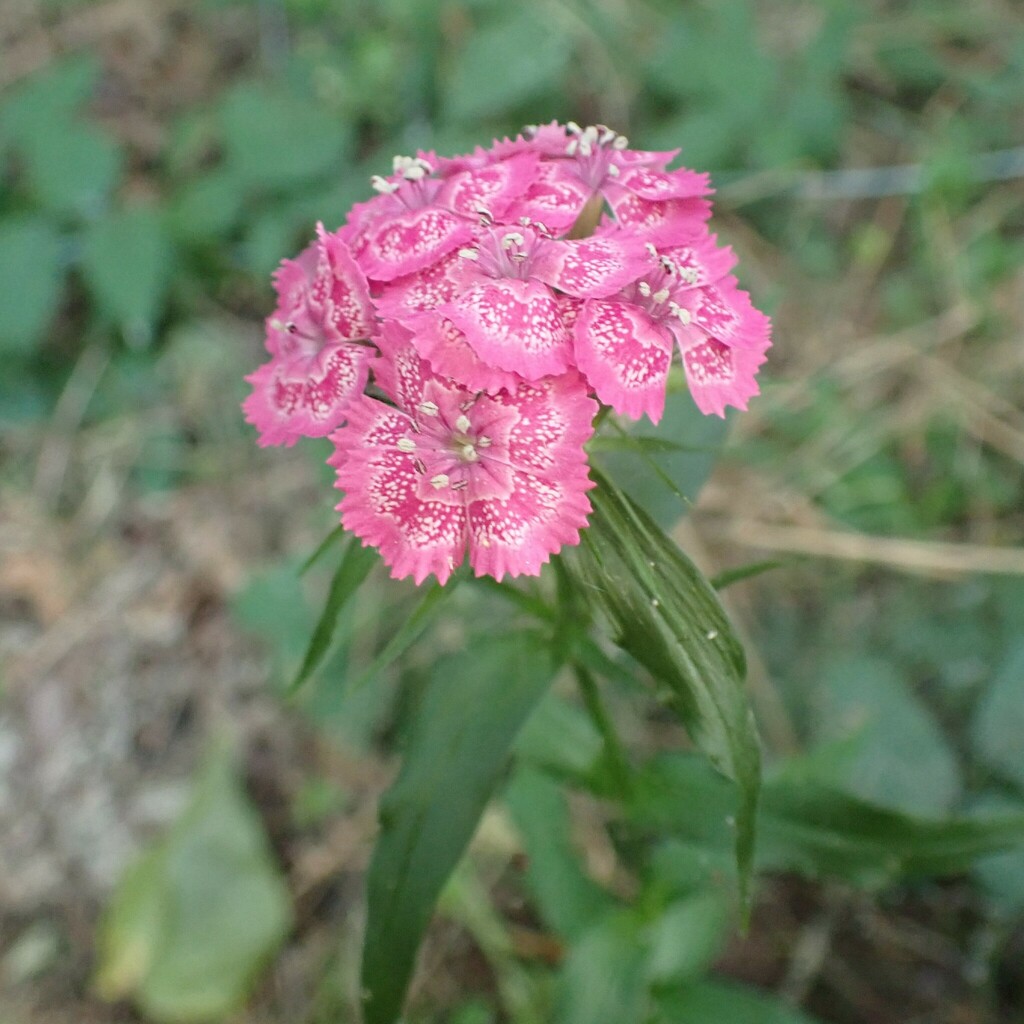
Sweet William is a charming, old fashioned favorite that brings lovely clusters of fragrant flowers to the garden. It is technically a short lived perennial, though many gardeners treat it as a biennial. You will love how these blooms attract pollinators like bees and butterflies.
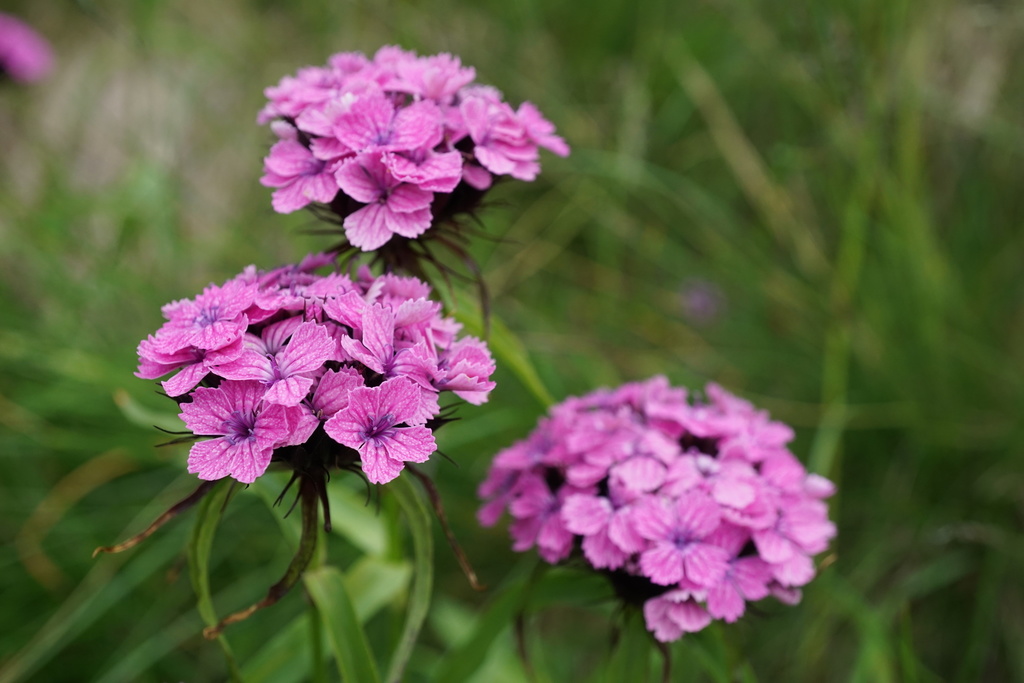
At a glance
- Care level
- Easy
- Plant type
- Herbaceous perennial
- Light
- Full sun to partial shade
- Indoor light
- Direct sun
- Water
- Every 3 to 7 days
- Mature size
- 1 to 2 feet
- Growth rate
- Medium
- Hardiness
- USDA 3 to 9
- Bloom time
- Late spring to early summer
Care
Plant these in well draining soil and keep them consistently moist but not soggy. Watch for yellowing leaves which often indicate poor drainage or overwatering. Deadheading spent blooms will encourage the plant to produce more flowers throughout the season.
- Watering
- Keep the soil evenly moist but avoid letting the roots sit in standing water.
- Feeding
- Apply a balanced liquid fertilizer once a month during the active growing season.
- Pruning
- Regularly remove faded flowers to promote continuous blooming.
- Repotting
- Repot only if the plant becomes root bound or if you need to refresh the soil.
- Soil
- Well draining, fertile soil
- Soil pH
- Neutral to slightly alkaline
- Temperature
- -40 to 30°C
- Humidity
- 40 to 60%
- Drought tolerance
- Moderate
- Lifespan
- Short-lived perennial, typically 2 to 3 years.
- Fragrance
- Strong
- Deer and rabbits
- Moderate
Signs it needs repotting
- Roots growing out of the drainage holes.
- Water running straight through the pot without soaking in.
Safety
- People
- This plant is generally considered non-toxic, though it may cause mild skin irritation in sensitive individuals.
- Pets
- This plant is considered mildly toxic to cats and dogs if ingested.
- Children
- The plant is not considered a significant risk to children, but ingestion of any garden plant should be discouraged.
- Contact allergens
- The foliage can cause mild contact dermatitis in sensitive people.
- Airborne allergens
- Pollen is generally not a significant trigger for hay fever.
- Edibility
- While the flowers are technically edible, they can cause mild digestive upset if consumed in large quantities.
How to identify it
- Clusters of small fringed flowers
- Lance shaped green leaves
- Sturdy upright stems
- Vibrant colors including pink and red
- Height
- 0.3 to 0.6m
- Spread
- 0.2 to 0.3m
- Leaves
- green, blue-green, semi-evergreen
- Flowers
- pink, red, white, purple, 1 to 2cm
Problems to watch for
- AphidsCommon
- RustCommon
- Botrytis BlightUncommon
- Leaf SpotUncommon
- Root RotUncommon
- Slugs and SnailsUncommon
Check your sweet william from a photo
Pocket Botanist looks at a photo of your plant and tells you what's wrong and what to try first.
Scan with your phone's camera to get the app
Or go to pocketbotanist.app/get on your phone
Growing it
- Propagation
- seed, cuttings, division
- When to plant
- spring, autumn
- Overwintering
- Apply a light layer of mulch to protect the crown from extreme temperature fluctuations. Ensure the soil does not stay waterlogged during winter months.
- In containers
- It grows well in containers, provided the pot has excellent drainage and is at least 20 centimeters deep.
Seed Sowing
- Sow seeds in trays in late spring.
- Cover lightly with soil.
- Keep moist until germination occurs.
Plant in groups to create a dense display that helps suppress weeds around the base.
Grows well with
Similar species
- Cheddar Pink · A smaller, more mat-forming relative.
Science
- Family
- Caryophyllaceae
- Genus
- Dianthus
- Order
- Caryophyllales
- Class
- Magnoliopsida
- Native range
- Southern Europe and parts of Asia.
- Conservation
- Not of conservation concern.
It thrives in well-drained, alkaline soils and open, sunny meadows.
- Value to wildlife
- nectar source
- Pollinators
- bees, butterflies, moths
- Uses
- cut flowers, cottage gardens, borders, containers
Through the year
Ecological indicators
- Salinity
- 2/9
- Soil reaction
- 7/9
- Light
- 7/9
- Temperature
- 5/9
- Moisture
- 5/9
- Nutrients
- 5/9
Taxonomy resolved against GBIF.
Questions people ask
- Is Sweet William a perennial?
- It is technically a short-lived perennial often treated as a biennial.
- How do I encourage more blooms?
- Deadheading spent flowers will often encourage a second flush of blooms.
Where the name comes from
The scientific name Dianthus comes from Greek meaning divine flower, while the common name Sweet William likely honors a historical figure or refers to its pleasant scent.
Good to know
- It is often grown as a biennial, blooming in its second year.
- The flowers are known for their clove-like fragrance.
- It has been a popular garden plant since the 16th century.
Also in
Keep your sweet william growing
This page is a general guide. Save your plant in Pocket Botanist and you get care reminders timed for this plant, plus a care history that shows what worked.
Scan with your phone's camera to get the app
Or go to pocketbotanist.app/get on your phone
This guide was generated with AI on and checked against GBIF taxonomy. It is general information, not horticultural or veterinary advice. Read about how we build these guides.