 Pocket Botanist
Plant guide
Dahlia.
Dahlia pinnata
Pronounced DAL-yuh pin-NAY-tuh
Also known as Dahlia, Pinnate dahlia, garden dahlia



Scan with your phone's camera to get the app
Or go to pocketbotanist.app/get on your phone
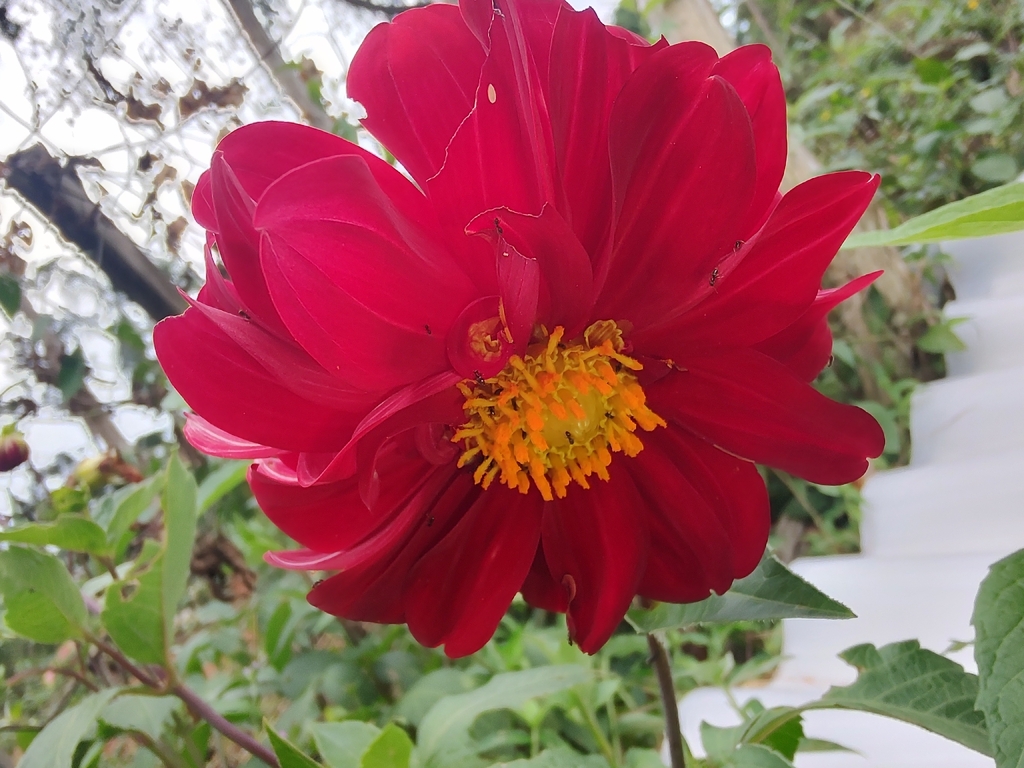
Dahlias are stunning tuberous perennials that bring vibrant color to gardens from midsummer until the first frost. They are famous for their intricate, geometric flower heads that come in a huge variety of shapes and sizes. These plants love the sun and need a bit of extra attention to keep them blooming their best.
At a glance
- Care level
- Moderate
- Plant type
- Tuberous perennial
- Light
- Full sun
- Indoor light
- Direct sun
- Water
- Every 3 to 7 days
- Mature size
- 1 to 6 feet
- Growth rate
- Fast
- Hardiness
- USDA 8 to 11
- Bloom time
- Mid summer to first frost
Care
Plant your tubers in well-draining soil once the danger of frost has passed. Stake taller varieties early to prevent the heavy blooms from snapping the stems. Watch for signs of aphids or powdery mildew on the leaves and treat them promptly.
- Watering
- Keep the soil consistently moist but never waterlogged to prevent the tubers from rotting.
- Feeding
- Use a low nitrogen fertilizer during the growing season to encourage more flowers instead of just foliage.
- Pruning
- Deadhead spent blooms regularly to keep the plant producing new flowers throughout the season.
- Repotting
- Tubers should be lifted and stored in a cool, dry place over winter in colder climates.
- Soil
- Well-draining, fertile, loamy soil
- Soil pH
- 6.0 to 7.5
- Temperature
- 10 to 30°C
- Humidity
- 40 to 60%
- Drought tolerance
- Moderate
- Lifespan
- Perennial, typically 3 to 5 years with proper tuber care.
- Deer and rabbits
- Low
Signs it needs repotting
- Roots growing out of the drainage holes.
- Water sitting on the surface of the soil for too long.
- The plant becomes top heavy and tips over easily.
Safety
- People
- The plant is generally considered non toxic, but contact with the sap can cause mild skin irritation in sensitive individuals.
- Pets
- Dahlias are considered toxic to cats and dogs if ingested, potentially causing skin irritation or digestive upset.
- Children
- The tubers are not considered dangerous, but they should not be ingested as they are not culinary vegetables.
- Contact allergens
- Handling the foliage or stems may cause contact dermatitis in some people.
- Airborne allergens
- The pollen is generally heavy and not a significant airborne allergen.
- Edibility
- While the tubers are technically edible, they are often bitter and not typically consumed as a primary food source.
How to identify it
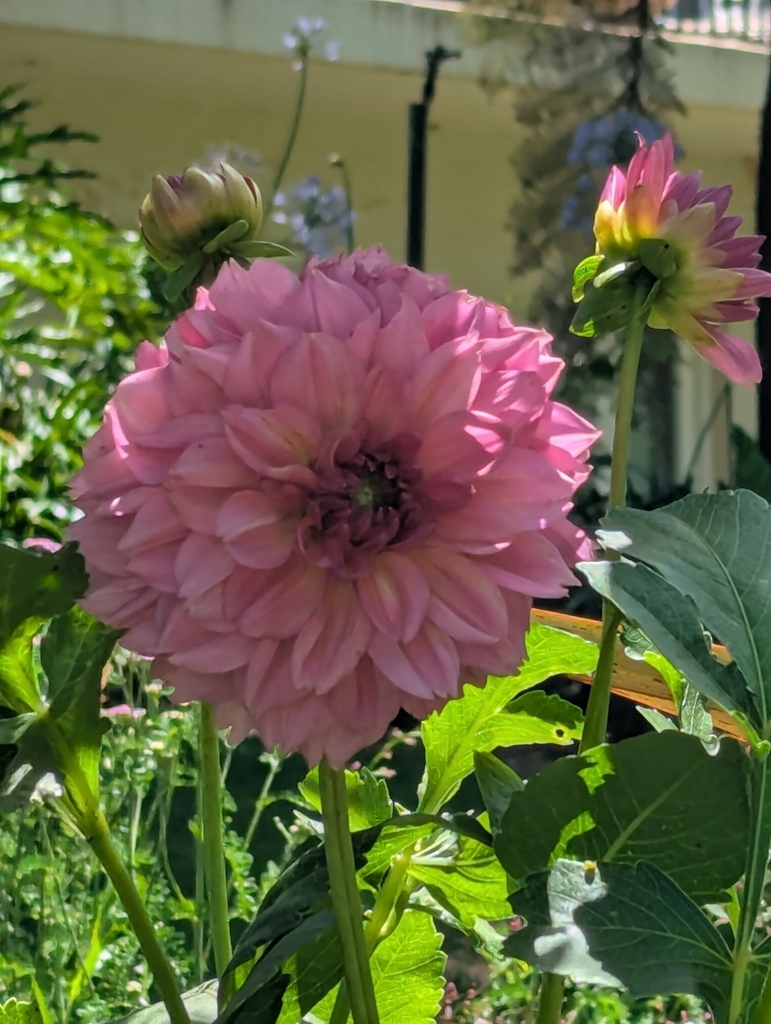
- Complex, multi-layered flower heads
- Opposite, pinnately compound green leaves
- Sturdy, hollow stems
- Tuberous root system
- Height
- 0.6 to 1.5m
- Spread
- 0.45 to 0.9m
- Leaves
- green, deciduous
- Flowers
- red, pink, yellow, white, purple, orange, 5 to 25cm
Problems to watch for
- AphidsCommon
- Powdery MildewCommon
- Slugs and SnailsCommon
- Botrytis BlightUncommon
- Spider MitesUncommon
- ThripsUncommon
- Tuber RotUncommon
Check your dahlia from a photo
Pocket Botanist looks at a photo of your plant and tells you what's wrong and what to try first.
Scan with your phone's camera to get the app
Or go to pocketbotanist.app/get on your phone
Growing it
- Propagation
- division, cuttings, seed
- When to plant
- spring
- Overwintering
- After the first frost kills the foliage, cut the stems back to 10 centimeters. Carefully dig up the tubers, clean off excess soil, and store them in a box filled with peat moss or sand in a cool, frost free location.
- In containers
- Dahlias grow very well in containers, provided you use a pot at least 30 centimeters deep with excellent drainage.
Tuber Division
- 1. Lift the clump of tubers carefully in autumn.
- 2. Use a sharp, clean knife to separate the tubers.
- 3. Ensure each section has at least one visible eye or bud.
- 4. Allow the cut surfaces to dry for a day.
- 5. Replant in spring once the soil has warmed.
Plant dahlias with other sun loving annuals to ensure they have enough light and airflow to prevent fungal issues.
Grows well with
Similar species
- Chrysanthemum · They share a similar flower form and bloom time in the late season.
Science
- Family
- Asteraceae
- Genus
- Dahlia
- Order
- Asterales
- Class
- Magnoliopsida
- Native range
- Mexico and Central America
- Conservation
- This species is common in cultivation and not of conservation concern.
Dahlias have evolved to survive in mountainous regions where they utilize their tuberous roots to store energy during the dry season.
- Value to wildlife
- nectar source
- Pollinators
- bees, butterflies
- Uses
- cut flowers, garden borders, container gardening
Through the year
Ecological indicators
- Salinity
- 2/9
- Soil reaction
- 6/9
- Light
- 7/9
- Temperature
- 6/9
- Moisture
- 5/9
- Nutrients
- 6/9
Taxonomy resolved against GBIF.
Questions people ask
- Do I need to dig up my dahlias in winter?
- In areas where the ground freezes, you should lift the tubers and store them in a cool, dry place.
- How often should I water them?
- Keep the soil consistently moist but not waterlogged, especially during the peak of summer.
Where the name comes from
The genus was named in honor of Anders Dahl, a student of Carl Linnaeus. The species name pinnata refers to the pinnate structure of the leaves.
Good to know
- Dahlias are the national flower of Mexico.
- They were named after the Swedish botanist Anders Dahl.
- There are over 40 species of dahlias.
- They were introduced to Europe in the late 18th century.
Also in
Keep your dahlia growing
This page is a general guide. Save your plant in Pocket Botanist and you get care reminders timed for this plant, plus a care history that shows what worked.
Scan with your phone's camera to get the app
Or go to pocketbotanist.app/get on your phone
This guide was generated with AI on and checked against GBIF taxonomy. It is general information, not horticultural or veterinary advice. Read about how we build these guides.