 Pocket Botanist
Guía de plantas
Mexican mint.
Plectranthus amboinicus
Pronunciación KOH-lee-us am-bo-IN-ih-kus
También se conoce como Plectranthus amboinicus, Cuban-oregano, French-thyme, Indian-borage, Indian-mint, Mexican mint, Mexican-mint, Spanish-thyme


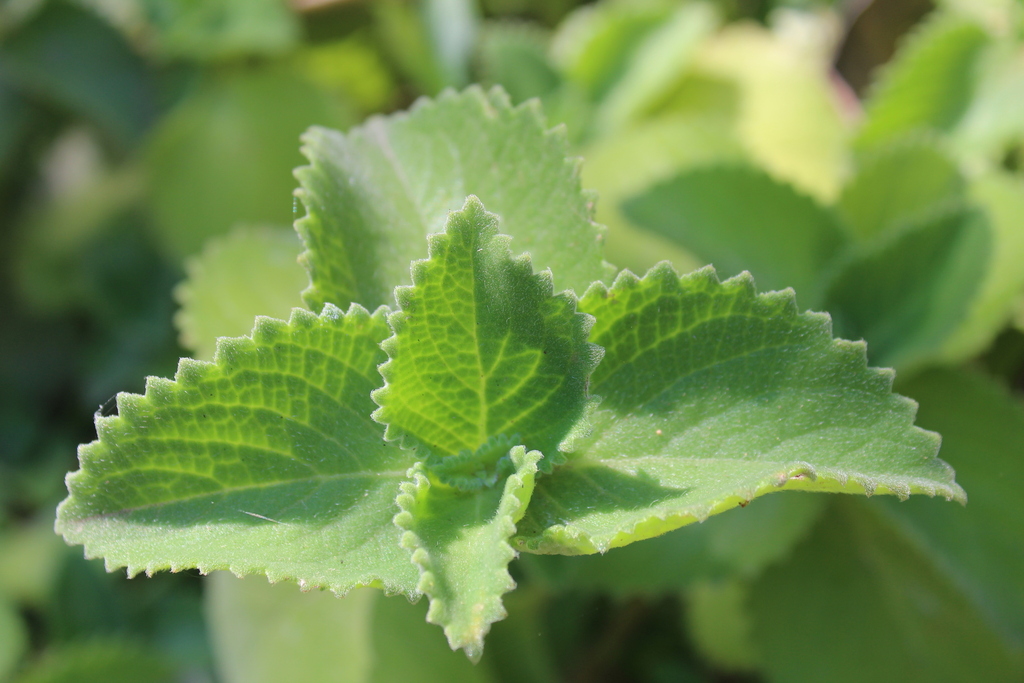
This fragrant herb is a wonderful addition to any sunny windowsill or garden. It is known for its thick, fuzzy leaves that release a pleasant scent when brushed. You will find it is quite resilient and grows quickly with the right care.
De un vistazo
- Nivel de cuidados
- Fácil
- Tipo de planta
- Perennial herb
- Luz
- Bright, indirect light to partial sun.
- Luz en interior
- Luz indirecta brillante
- Riego
- Cada 7 a 14 días
- Tamaño adulto
- 1 to 3 feet tall
- Ritmo de crecimiento
- Rápido
Cuidados
Provide well draining soil and allow the top layer to dry out between waterings. Watch for wilting leaves as a sign of thirst or yellowing leaves from too much moisture. Keep it in a bright spot to maintain its compact shape and vibrant color.
- Riego
- Water when the top inch of soil feels dry to the touch.
- Abonado
- Feed with a balanced liquid fertilizer during the active growing season.
- Poda
- Pinch back the stems regularly to encourage a bushier, fuller habit.
- Trasplante
- Repot when the roots begin to fill the container or emerge from drainage holes.
- Suelo
- Well draining, sandy potting mix.
- pH del suelo
- 6.0 to 7.5
Seguridad
- Mascotas
- This plant is considered toxic to cats and dogs if ingested.
Cómo identificarla
- Thick, succulent, heart shaped leaves
- Soft, velvety leaf texture
- Strongly aromatic, oregano like scent
- Square stems typical of mint family
- Small, pale purple or white flowers
Ciencia
- Familia
- Lamiaceae
- Género
- Coleus
- Orden
- Lamiales
- Clase
- Magnoliopsida
Taxonomía cotejada con GBIF.
También en
¿Tu mexican mint tiene mal aspecto?
Esta página es una guía general. Pocket Botanist diagnostica problemas a partir de una foto de tu propia planta, calcula el riego según tu luz y tus condiciones, y te avisa cuando toca cuidarla.
Esta guía se ha generado con IA y se ha cotejado con la taxonomía de GBIF. Es información general, no asesoramiento botánico ni veterinario. Descubre cómo elaboramos estas guías.