 Pocket Botanist
Pflanzenratgeber
Mexican mint.
Plectranthus amboinicus
Aussprache KOH-lee-us am-bo-IN-ih-kus
Auch bekannt als Plectranthus amboinicus, Cuban-oregano, French-thyme, Indian-borage, Indian-mint, Mexican mint, Mexican-mint, Spanish-thyme


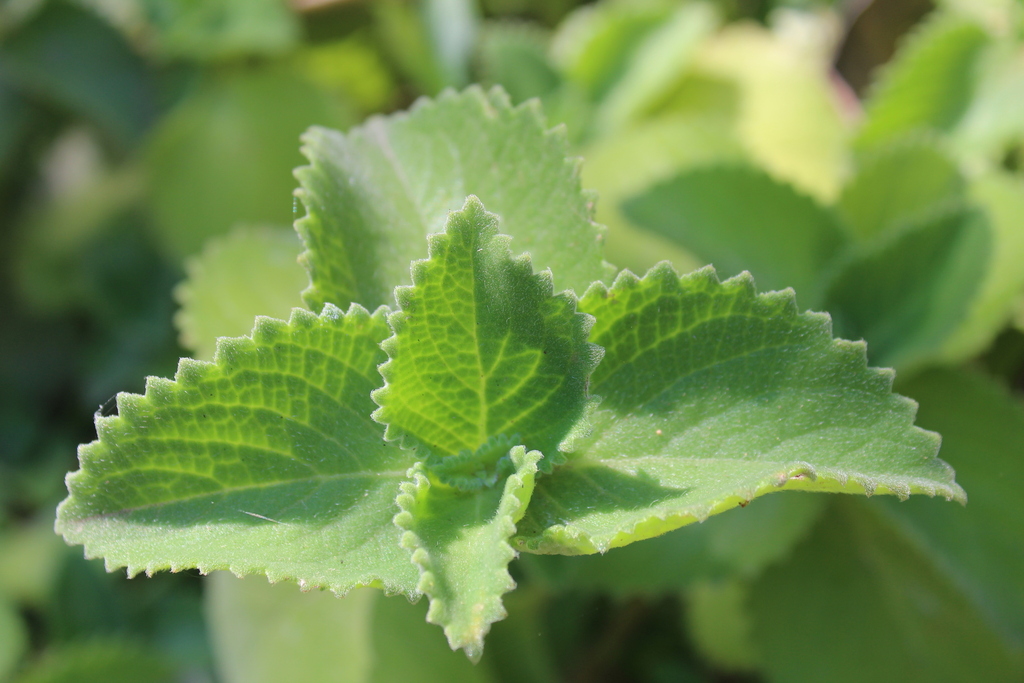
This fragrant herb is a wonderful addition to any sunny windowsill or garden. It is known for its thick, fuzzy leaves that release a pleasant scent when brushed. You will find it is quite resilient and grows quickly with the right care.
Auf einen Blick
- Pflegestufe
- Einfach
- Pflanzenart
- Perennial herb
- Licht
- Bright, indirect light to partial sun.
- Licht im Innenraum
- Hell, indirekt
- Gießen
- Alle 7 bis 14 Tage
- Endgröße
- 1 to 3 feet tall
- Wachstum
- Schnell
Pflege
Provide well draining soil and allow the top layer to dry out between waterings. Watch for wilting leaves as a sign of thirst or yellowing leaves from too much moisture. Keep it in a bright spot to maintain its compact shape and vibrant color.
- Gießen
- Water when the top inch of soil feels dry to the touch.
- Düngen
- Feed with a balanced liquid fertilizer during the active growing season.
- Schneiden
- Pinch back the stems regularly to encourage a bushier, fuller habit.
- Umtopfen
- Repot when the roots begin to fill the container or emerge from drainage holes.
- Boden
- Well draining, sandy potting mix.
- Boden-pH
- 6.0 to 7.5
Sicherheit
- Haustiere
- This plant is considered toxic to cats and dogs if ingested.
So erkennst du die Pflanze
- Thick, succulent, heart shaped leaves
- Soft, velvety leaf texture
- Strongly aromatic, oregano like scent
- Square stems typical of mint family
- Small, pale purple or white flowers
Botanisches
- Familie
- Lamiaceae
- Gattung
- Coleus
- Ordnung
- Lamiales
- Klasse
- Magnoliopsida
Taxonomie abgeglichen mit GBIF.
Auch in
Probleme mit Mexican mint?
Diese Seite bietet allgemeine Infos. Pocket Botanist erkennt Probleme anhand eines Fotos deiner echten Pflanze, passt das Gießen an dein Licht und deinen Standort an und erinnert dich an die Pflege.
Dieser Ratgeber wurde mit KI erstellt und mit der GBIF-Taxonomie abgeglichen. Er dient zur allgemeinen Information und ersetzt keine gärtnerische oder tierärztliche Beratung. Hier erfährst du, wie wir diese Ratgeber erstellen.