 Pocket Botanist
Guía de plantas
Flowering quince.
Chaenomeles speciosa
Pronunciación kee-NOM-uh-leez spee-see-OH-suh
También se conoce como Chinese Quince, Chinese-quince, Flowering quince, Japanese Quince, Japanese-quince, Japonica, flowering-quince


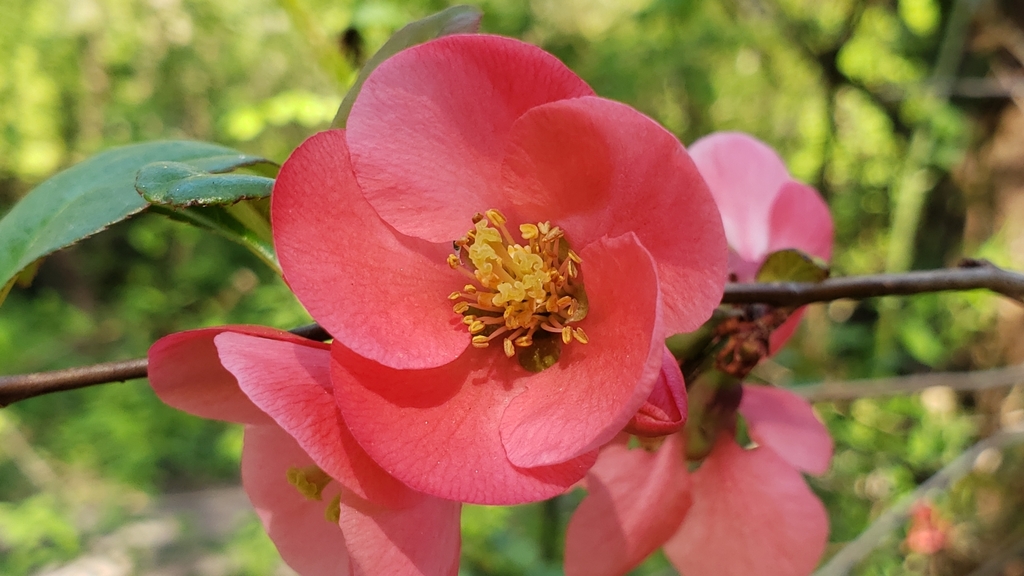
Flowering quince is a hardy, deciduous shrub that brings a burst of early spring color to the garden. It produces vibrant, cup shaped flowers on bare branches before the leaves fully emerge. This plant is a classic choice for adding structure and seasonal interest to your landscape.

De un vistazo
- Nivel de cuidados
- Fácil
- Tipo de planta
- Deciduous shrub
- Luz
- Full sun to partial shade
- Luz en interior
- Sol directo
- Riego
- Cada 7 a 14 días
- Tamaño adulto
- 6 to 10 feet
- Ritmo de crecimiento
- Medio
- Rusticidad
- USDA 4 a 9
- Floración
- Early to mid spring
Cuidados
Plant this shrub in a spot with plenty of sun to ensure the best flower production. Keep an eye out for aphids or scale insects during the growing season. Prune immediately after flowering to maintain its shape and encourage new growth for next year.
- Riego
- Water deeply during dry spells to keep the root system hydrated.
- Abonado
- Apply a balanced slow release fertilizer in early spring before new growth starts.
- Poda
- Prune back flowered stems right after the blossoms fade to keep the plant tidy.
- Trasplante
- If growing in a container, move to a larger pot every few years when the roots become crowded.
- Suelo
- Well draining, slightly acidic soil
- pH del suelo
- 6.0 to 7.0
- Temperatura
- -25 a 35°C
- Humedad
- 40 a 70%
- Tolerancia a la sequía
- Moderada
- Longevidad
- Perennial, typically 20 to 50 years
- Fragancia
- Suave
- Resistencia a ciervos y conejos
- Moderada
Señales de que necesita trasplante
- roots circling the bottom of the pot
- water drains through too quickly
- stunted growth despite fertilization
Seguridad
- Personas
- The seeds contain cyanogenic glycosides which can be toxic if consumed in large quantities.
- Niños
- The sharp thorns pose a significant injury risk to small children if planted near play areas.
- Alérgenos por contacto
- The stems bear sharp thorns that can cause skin scratches and irritation.
- Alérgenos en el aire
- There are no notable airborne allergy risks associated with this plant.
- Comestibilidad
- The raw fruit is extremely hard and acidic, making it unpleasant to eat without cooking or processing into jellies.
Cómo identificarla
- Thorny, woody, deciduous branches
- Bright red, pink, or white flowers
- Simple, glossy, dark green leaves
- Small, edible, apple like fruits
- Altura
- 1,5 a 3m
- Anchura
- 1,5 a 3m
- Hojas
- glossy dark green, deciduous
- Flores
- red, pink, white, 3 a 5cm
- Frutos
- yellow, green, Late summer to autumn
Problemas frecuentes
- Fire blight — A bacterial infection causing scorched appearance on leaves and branches.
- Aphids — Small insects that cluster on new growth and suck plant sap.
Cómo cultivarla
- Propagación
- cuttings, seed, division
- Cuándo plantar
- spring, autumn
- Cuidados en invierno
- No special winter protection is needed as it is fully hardy. Simply clear away fallen leaves to prevent fungal issues.
- En maceta
- It can be grown in large containers, but requires a pot at least 50 centimeters wide to accommodate root growth.
Softwood Cuttings
- 1. Take 10cm cuttings in early summer.
- 2. Remove lower leaves.
- 3. Dip in rooting hormone.
- 4. Place in moist, well-draining soil.
- 5. Keep humid until rooted.
Plant in groups of three to create a dense, thorny barrier that deters wildlife and provides nesting cover.
Buenas compañeras
- Forsythia x intermedia — They bloom at the same time and create a vibrant spring display.
- Jacinto de uva — These bulbs provide a nice color contrast beneath the shrub.
Especies parecidas
- Chaenomeles japonica — It is a smaller, more prostrate relative often used in similar garden settings.
Ciencia
- Familia
- Rosaceae
- Género
- Chaenomeles
- Orden
- Rosales
- Clase
- Magnoliopsida
- Distribución natural
- China and Korea
- Conservación
- This species is not of conservation concern and is widely cultivated.
It thrives in forest edges and thickets where it utilizes early spring light before the canopy closes.
- Valor para la fauna
- early season nectar source
- Polinizadores
- abejas
- Usos
- ornamental shrub, hedging, culinary jellies, pollinator garden
A lo largo del año
Indicadores ecológicos
- Salinidad
- 2/9
- Reacción del suelo
- 6/9
- Luz
- 7/9
- Temperatura
- 5/9
- Humedad
- 5/9
- Nutrientes
- 5/9
Taxonomía cotejada con GBIF.
Lo que más preguntan
- Why is my quince not flowering?
- It may be planted in too much shade or pruned at the wrong time of year.
- Can I eat the fruit?
- Yes, but only after cooking it with sugar, as it is very tart and tough when raw.
De dónde viene el nombre
The genus name comes from the Greek words for split and apple, referring to the fruit. The species name speciosa means showy.
Bueno saberlo
- Flowering quince is a member of the rose family.
- The fruits are often called Japanese quinces.
- It blooms on old wood, so prune immediately after flowering.
¿Tu flowering quince tiene mal aspecto?
Esta página es una guía general. Pocket Botanist diagnostica problemas a partir de una foto de tu propia planta, calcula el riego según tu luz y tus condiciones, y te avisa cuando toca cuidarla.
Esta guía se ha generado con IA y se ha cotejado con la taxonomía de GBIF. Es información general, no asesoramiento botánico ni veterinario. Descubre cómo elaboramos estas guías.