 Pocket Botanist
Plant guide
China aster.
Callistephus chinensis
Pronounced ka-LIS-teh-fus chi-NEN-sis
Also known as China Aster, China Aster, Annual Aster, China-aster, Chinese Aster



Scan with your phone's camera to get the app
Or go to pocketbotanist.app/get on your phone
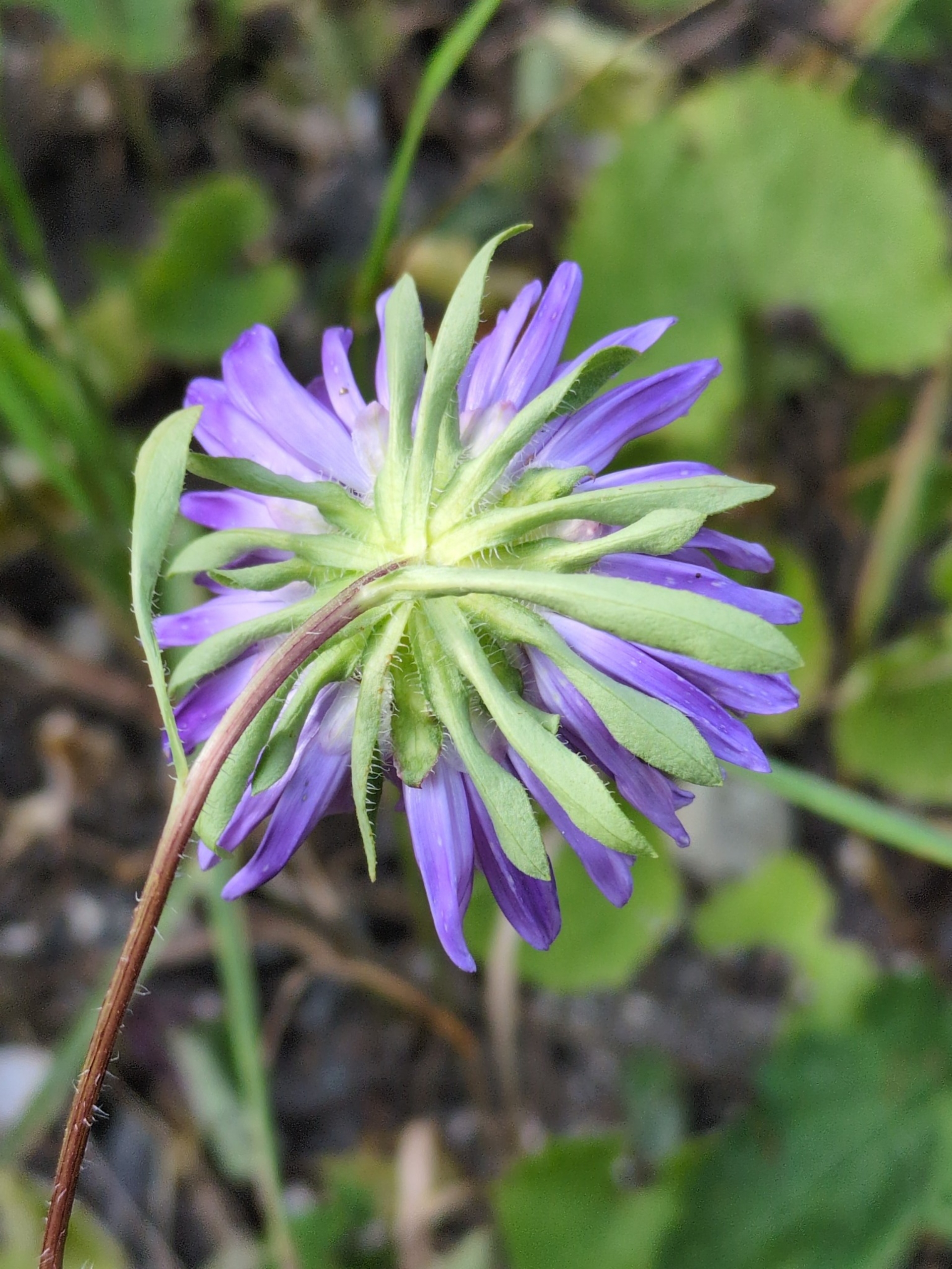
The China aster is a cheerful annual that brings vibrant color to late summer gardens. It is a favorite for cut flower arrangements because of its long, sturdy stems. You will love how these blooms brighten up your beds and borders.
At a glance
- Care level
- Easy
- Plant type
- Annual
- Light
- Full sun
- Indoor light
- Direct sun
- Water
- Every 3 to 7 days
- Mature size
- 1 to 3 feet
- Growth rate
- Fast
- Hardiness
- USDA 2 to 11
- Bloom time
- Mid summer to late autumn
Care
Plant these in a sunny spot with well draining soil to keep them happy. Watch for wilting, which can indicate moisture stress or fungal issues. Deadheading spent blooms will encourage the plant to produce more flowers throughout the season.
- Watering
- Keep the soil consistently moist but never soggy.
- Feeding
- Apply a balanced liquid fertilizer once a month during the growing season.
- Pruning
- Remove faded flowers regularly to promote continuous blooming.
- Repotting
- As an annual, this plant completes its life cycle in one season and does not require repotting.
- Soil
- Well draining, fertile loam
- Soil pH
- 6.0 to 7.5
- Temperature
- 5 to 30°C
- Humidity
- 40 to 70%
- Drought tolerance
- Moderate
- Lifespan
- Annual, completes its life cycle in one season.
- Deer and rabbits
- Moderate
Signs it needs repotting
- Roots growing out of the drainage holes.
- Water running straight through the pot without soaking in.
Safety
- People
- The plant is generally considered non-toxic, but ingestion is not recommended.
- Pets
- This plant is generally considered non-toxic to cats and dogs.
- Children
- Keep seeds away from small children as they pose a minor choking hazard.
- Contact allergens
- Handling the foliage may cause mild skin irritation in sensitive individuals.
- Airborne allergens
- The pollen can trigger mild reactions in those with seasonal allergies.
- Edibility
- This plant is not intended for consumption and may cause digestive upset if ingested.
How to identify it
- Daisy like flower heads
- Toothed, ovate green leaves
- Sturdy, upright branching stems
- Ray florets in many colors
- Height
- 0.2 to 0.8m
- Spread
- 0.15 to 0.45m
- Leaves
- green, deciduous
- Flowers
- white, pink, red, purple, blue, yellow, 3 to 12cm
Problems to watch for
- AphidsCommon
- Aster YellowsCommon
- Fusarium WiltCommon
- Leaf SpotUncommon
- Powdery MildewUncommon
- Root RotUncommon
- RustUncommon
- Slugs and SnailsUncommon
Check your china aster from a photo
Pocket Botanist looks at a photo of your plant and tells you what's wrong and what to try first.
Scan with your phone's camera to get the app
Or go to pocketbotanist.app/get on your phone
Growing it
- Propagation
- seed
- When to plant
- spring
- Overwintering
- As an annual, this plant will die back after the first hard frost and does not require winter protection.
- In containers
- They grow very well in containers, provided the pot has good drainage and is at least 20 centimeters deep.
Seed Sowing
- 1. Sow seeds indoors 6 to 8 weeks before the last frost.
- 2. Cover lightly with soil as they need some light to germinate.
- 3. Keep the soil moist and warm until seedlings emerge.
- 4. Transplant outdoors once all danger of frost has passed.
Group these with other annuals that enjoy full sun and consistent moisture for a vibrant display.
Grows well with
Similar species
- New England Aster · A perennial relative that offers similar flower colors but blooms later in the year.
Science
- Family
- Asteraceae
- Genus
- Callistephus
- Order
- Asterales
- Class
- Magnoliopsida
- Native range
- China, Korea, and parts of Russia.
- Conservation
- Not of conservation concern as it is widely cultivated.
It thrives in well-drained, sunny spots and is adapted to temperate climates with distinct growing seasons.
- Value to wildlife
- nectar source
- Pollinators
- bees, butterflies
- Uses
- cut flowers, container gardening, bedding plants
Through the year
Ecological indicators
- Salinity
- 2/9
- Soil reaction
- 6/9
- Light
- 7/9
- Temperature
- 5/9
- Moisture
- 5/9
- Nutrients
- 6/9
Taxonomy resolved against GBIF.
Questions people ask
- Do I need to stake them?
- Taller varieties often benefit from light staking to keep them upright.
- How do I get more flowers?
- Regular deadheading encourages the plant to produce more blooms throughout the season.
Where the name comes from
The genus name Callistephus comes from the Greek words for beautiful crown, while chinensis refers to its native origin in China.
Good to know
- China asters were introduced to Europe in the 18th century.
- They are a classic choice for traditional cottage gardens.
- The flowers are excellent for long-lasting floral arrangements.
Keep your china aster growing
This page is a general guide. Save your plant in Pocket Botanist and you get care reminders timed for this plant, plus a care history that shows what worked.
Scan with your phone's camera to get the app
Or go to pocketbotanist.app/get on your phone
This guide was generated with AI on and checked against GBIF taxonomy. It is general information, not horticultural or veterinary advice. Read about how we build these guides.