 Pocket Botanist
Pflanzenratgeber
Silver Birch.
Betula pendula
Aussprache BET-yoo-luh PEN-dyoo-luh
Auch bekannt als Common Birch, East Asian White Birch, European White Birch, European weeping birch


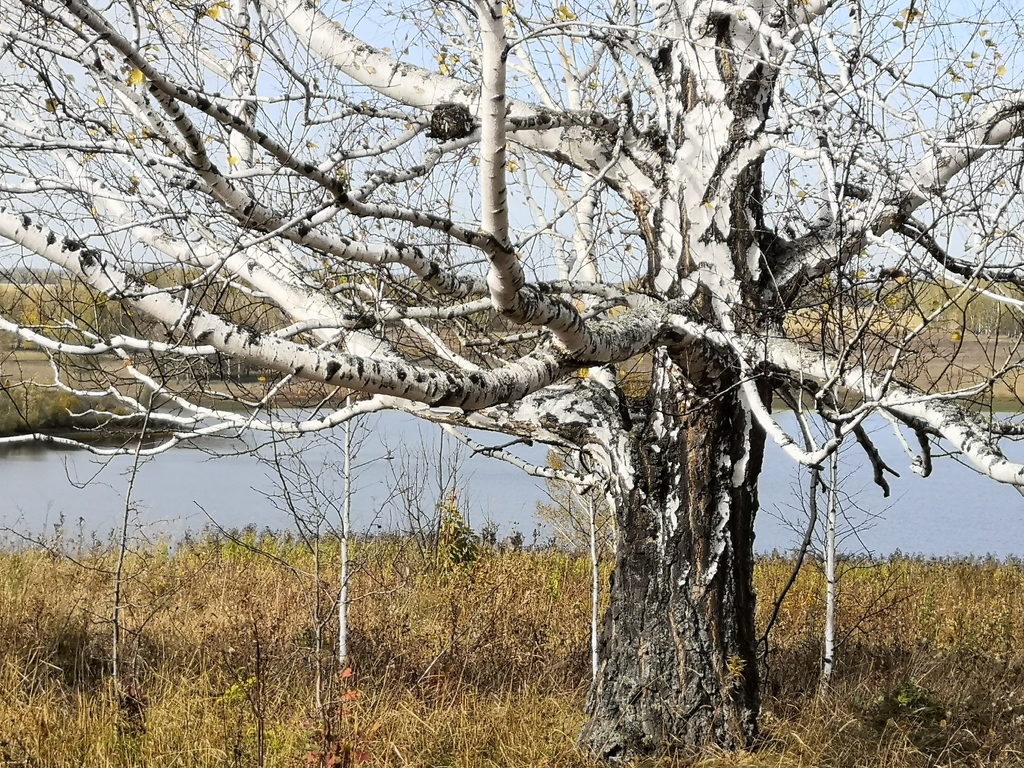
The Silver Birch is a beautiful, graceful tree known for its striking white, peeling bark and delicate, drooping branches. It thrives in cooler climates and adds a lovely, airy feel to any landscape. You will love how its bright green leaves turn a stunning golden yellow in the autumn.

Auf einen Blick
- Pflegestufe
- Einfach
- Pflanzenart
- Deciduous tree
- Licht
- Full sun to partial shade
- Licht im Innenraum
- Direkte Sonne
- Gießen
- Alle 7 bis 14 Tage
- Endgröße
- 40 to 50 feet
- Wachstum
- Schnell
- Winterhärte
- USDA 2 bis 7
- Blütezeit
- Mid to late spring
Pflege
Plant this tree in a spot with plenty of room for its roots to spread and ensure it gets full sun. Keep an eye out for leaf miners or aphids, which can sometimes bother the foliage. Regular watering during dry spells helps keep it happy and healthy.
- Gießen
- Water deeply during dry periods to keep the soil consistently moist but not waterlogged.
- Düngen
- Apply a balanced, slow-release fertilizer in early spring before new growth begins.
- Schneiden
- Prune during the dormant season in late summer or early autumn to avoid heavy sap bleeding.
- Umtopfen
- This tree is best suited for outdoor planting rather than container growth.
- Boden
- Well-draining, moist, acidic soil
- Boden-pH
- 5.0 to 6.5
- Temperatur
- -35 bis 30°C
- Luftfeuchtigkeit
- 40 bis 70%
- Trockenheitstoleranz
- Gering
- Lebensdauer
- Perennial, typically 40 to 60 years.
- Wildverbiss-Resistenz
- Gering
Anzeichen fürs Umtopfen
- Roots growing out of the drainage holes.
- Water running straight through the pot without soaking in.
Sicherheit
- Menschen
- The plant is not considered toxic to humans.
- Kinder
- No specific risks to children, though the papery bark can be messy if peeled.
- Kontaktallergene
- The sap may cause mild skin irritation in sensitive individuals.
- Allergene in der Luft
- The pollen is a significant airborne allergen during the spring flowering season.
- Essbarkeit
- The sap is edible but harvesting it can damage the tree if done improperly.
So erkennst du die Pflanze
- Distinctive white, papery, peeling bark
- Triangular leaves with serrated edges
- Slender, pendulous, drooping branches
- Small, brown, cylindrical catkins
- Höhe
- 12 bis 20m
- Breite
- 6 bis 10m
- Blätter
- green, yellow, deciduous
- Blüten
- green, yellow, 3 bis 8cm
- Früchte
- brown, Late summer to autumn
Häufige Probleme
- Bronze birch borer — A wood boring beetle that can cause significant damage to stressed trees.
- Leaf spot — Fungal infections that cause spots on leaves during wet seasons.
Standort und Pflege
- Vermehrung
- seed, cuttings
- Pflanzzeit
- spring, autumn
- Überwinterung
- No special protection is needed as it is extremely cold hardy. Ensure the soil remains moist before the ground freezes.
- Im Kübel
- Not suitable for long term container growth due to its large size and extensive root system.
Seed
- Collect seeds in late summer.
- Sow in a cold frame during autumn.
- Keep soil moist until germination in spring.
Plant shallow rooted woodland flowers around the base to mimic its natural forest edge habitat.
Gute Pflanzpartner
- Fingerhut — They thrive in the dappled shade provided by the birch canopy.
- Walderdbeere — This groundcover appreciates the cool, moist soil conditions beneath the tree.
Ähnliche Arten
- Betula papyrifera — It shares the iconic white bark but is native to North America.
Botanisches
- Familie
- Betulaceae
- Gattung
- Betula
- Ordnung
- Fagales
- Klasse
- Magnoliopsida
- Ursprüngliche Heimat
- Europe and parts of Asia.
- Artenschutz
- This species is widespread and not of conservation concern.
It is a pioneer species that quickly colonizes open or disturbed land.
- Nutzen für Wildtiere
- larval host plant, seeds provide food for birds
- Bestäuber
- Bienen, Schmetterlinge, Nachtfalter
- Verwendung
- ornamental specimen, shade tree, wildlife habitat
Im Jahresverlauf
Ökologische Zeigerwerte
- Salzgehalt
- 1/9
- Bodenreaktion
- 5/9
- Licht
- 8/9
- Temperatur
- 3/9
- Feuchtigkeit
- 6/9
- Nährstoffe
- 4/9
Taxonomie abgeglichen mit GBIF.
Häufige Fragen
- Does it need a lot of water?
- It prefers consistently moist soil and does not handle prolonged drought well.
- Can I plant it near my house?
- Its roots are shallow and can be invasive, so keep it at least 6 meters away from foundations.
Woher der Name kommt
The name pendula refers to the drooping, weeping habit of the branches. Betula is the ancient Latin name for the birch tree.
Gut zu wissen
- The wood is often used for plywood and furniture.
- It is the national tree of Finland.
- The bark was historically used as a waterproof material.
Probleme mit Silver Birch?
Diese Seite bietet allgemeine Infos. Pocket Botanist erkennt Probleme anhand eines Fotos deiner echten Pflanze, passt das Gießen an dein Licht und deinen Standort an und erinnert dich an die Pflege.
Dieser Ratgeber wurde mit KI erstellt und mit der GBIF-Taxonomie abgeglichen. Er dient zur allgemeinen Information und ersetzt keine gärtnerische oder tierärztliche Beratung. Hier erfährst du, wie wir diese Ratgeber erstellen.