 Pocket Botanist
Guía de plantas
Silver Birch.
Betula pendula
Pronunciación BET-yoo-luh PEN-dyoo-luh
También se conoce como Common Birch, East Asian White Birch, European White Birch, European weeping birch


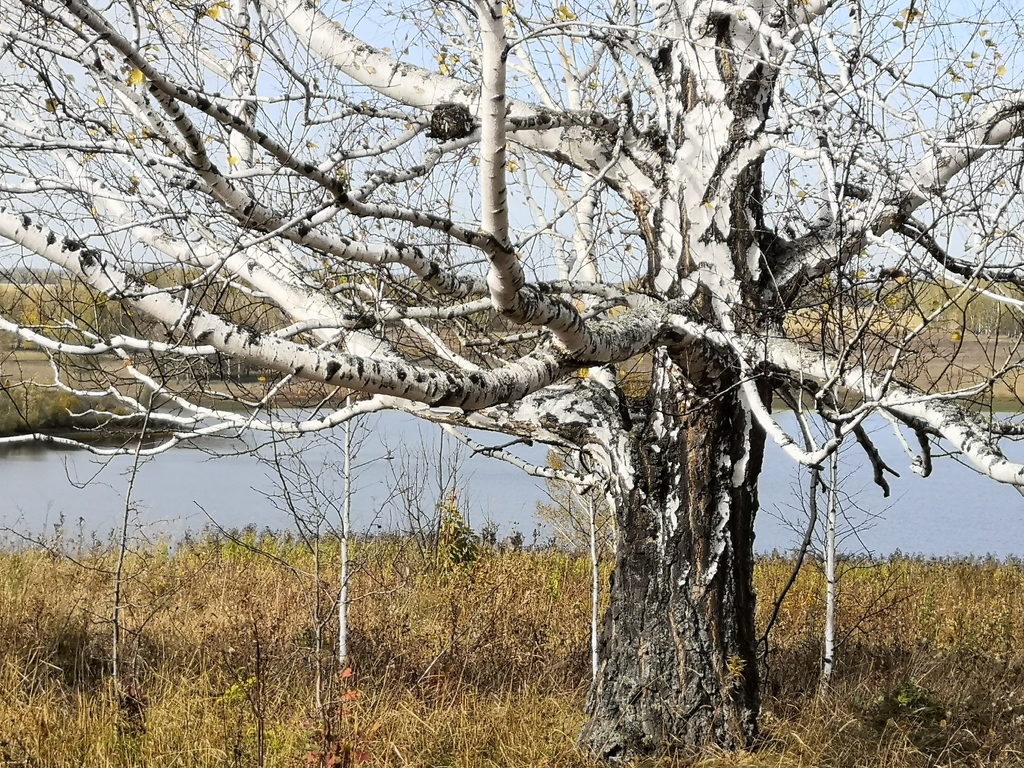
The Silver Birch is a beautiful, graceful tree known for its striking white, peeling bark and delicate, drooping branches. It thrives in cooler climates and adds a lovely, airy feel to any landscape. You will love how its bright green leaves turn a stunning golden yellow in the autumn.

De un vistazo
- Nivel de cuidados
- Fácil
- Tipo de planta
- Deciduous tree
- Luz
- Full sun to partial shade
- Luz en interior
- Sol directo
- Riego
- Cada 7 a 14 días
- Tamaño adulto
- 40 to 50 feet
- Ritmo de crecimiento
- Rápido
- Rusticidad
- USDA 2 a 7
- Floración
- Mid to late spring
Cuidados
Plant this tree in a spot with plenty of room for its roots to spread and ensure it gets full sun. Keep an eye out for leaf miners or aphids, which can sometimes bother the foliage. Regular watering during dry spells helps keep it happy and healthy.
- Riego
- Water deeply during dry periods to keep the soil consistently moist but not waterlogged.
- Abonado
- Apply a balanced, slow-release fertilizer in early spring before new growth begins.
- Poda
- Prune during the dormant season in late summer or early autumn to avoid heavy sap bleeding.
- Trasplante
- This tree is best suited for outdoor planting rather than container growth.
- Suelo
- Well-draining, moist, acidic soil
- pH del suelo
- 5.0 to 6.5
- Temperatura
- -35 a 30°C
- Humedad
- 40 a 70%
- Tolerancia a la sequía
- Baja
- Longevidad
- Perennial, typically 40 to 60 years.
- Resistencia a ciervos y conejos
- Baja
Señales de que necesita trasplante
- Roots growing out of the drainage holes.
- Water running straight through the pot without soaking in.
Seguridad
- Personas
- The plant is not considered toxic to humans.
- Niños
- No specific risks to children, though the papery bark can be messy if peeled.
- Alérgenos por contacto
- The sap may cause mild skin irritation in sensitive individuals.
- Alérgenos en el aire
- The pollen is a significant airborne allergen during the spring flowering season.
- Comestibilidad
- The sap is edible but harvesting it can damage the tree if done improperly.
Cómo identificarla
- Distinctive white, papery, peeling bark
- Triangular leaves with serrated edges
- Slender, pendulous, drooping branches
- Small, brown, cylindrical catkins
- Altura
- 12 a 20m
- Anchura
- 6 a 10m
- Hojas
- green, yellow, deciduous
- Flores
- green, yellow, 3 a 8cm
- Frutos
- brown, Late summer to autumn
Problemas frecuentes
- Bronze birch borer — A wood boring beetle that can cause significant damage to stressed trees.
- Leaf spot — Fungal infections that cause spots on leaves during wet seasons.
Cómo cultivarla
- Propagación
- seed, cuttings
- Cuándo plantar
- spring, autumn
- Cuidados en invierno
- No special protection is needed as it is extremely cold hardy. Ensure the soil remains moist before the ground freezes.
- En maceta
- Not suitable for long term container growth due to its large size and extensive root system.
Seed
- Collect seeds in late summer.
- Sow in a cold frame during autumn.
- Keep soil moist until germination in spring.
Plant shallow rooted woodland flowers around the base to mimic its natural forest edge habitat.
Buenas compañeras
- Dedalera — They thrive in the dappled shade provided by the birch canopy.
- Fresa silvestre — This groundcover appreciates the cool, moist soil conditions beneath the tree.
Especies parecidas
- Betula papyrifera — It shares the iconic white bark but is native to North America.
Ciencia
- Familia
- Betulaceae
- Género
- Betula
- Orden
- Fagales
- Clase
- Magnoliopsida
- Distribución natural
- Europe and parts of Asia.
- Conservación
- This species is widespread and not of conservation concern.
It is a pioneer species that quickly colonizes open or disturbed land.
- Valor para la fauna
- larval host plant, seeds provide food for birds
- Polinizadores
- abejas, mariposas, polillas
- Usos
- ornamental specimen, shade tree, wildlife habitat
A lo largo del año
Indicadores ecológicos
- Salinidad
- 1/9
- Reacción del suelo
- 5/9
- Luz
- 8/9
- Temperatura
- 3/9
- Humedad
- 6/9
- Nutrientes
- 4/9
Taxonomía cotejada con GBIF.
Lo que más preguntan
- Does it need a lot of water?
- It prefers consistently moist soil and does not handle prolonged drought well.
- Can I plant it near my house?
- Its roots are shallow and can be invasive, so keep it at least 6 meters away from foundations.
De dónde viene el nombre
The name pendula refers to the drooping, weeping habit of the branches. Betula is the ancient Latin name for the birch tree.
Bueno saberlo
- The wood is often used for plywood and furniture.
- It is the national tree of Finland.
- The bark was historically used as a waterproof material.
¿Tu silver birch tiene mal aspecto?
Esta página es una guía general. Pocket Botanist diagnostica problemas a partir de una foto de tu propia planta, calcula el riego según tu luz y tus condiciones, y te avisa cuando toca cuidarla.
Esta guía se ha generado con IA y se ha cotejado con la taxonomía de GBIF. Es información general, no asesoramiento botánico ni veterinario. Descubre cómo elaboramos estas guías.