 Pocket Botanist
Plant guide
Snapdragon.
Antirrhinum majus
Pronounced an-tih-RY-num MAY-jus
Also known as Garden snapdragon, Snapdragon



Scan with your phone's camera to get the app
Or go to pocketbotanist.app/get on your phone
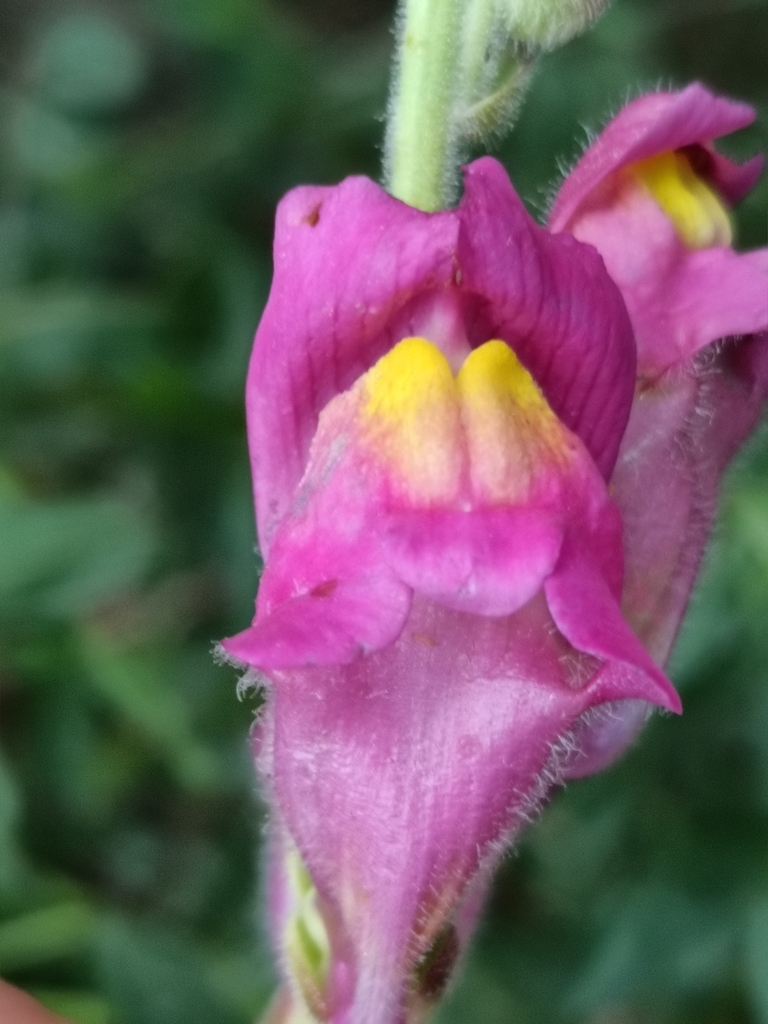
Snapdragons are charming, cool-season flowers that bring vibrant color to gardens. They are known for their unique, dragon-like blooms that snap shut when squeezed. These plants thrive in the crisp air of spring and autumn.
At a glance
- Care level
- Easy
- Plant type
- Annual or short-lived perennial
- Light
- Full sun to partial shade
- Indoor light
- Direct sun
- Water
- Every 3 to 7 days
- Mature size
- 6 to 48 inches
- Growth rate
- Medium
- Hardiness
- USDA 7 to 10
- Bloom time
- Late spring to early autumn
Care
Plant these in well-draining soil and keep them consistently moist. Watch for wilting during hot spells, as they prefer cooler temperatures. Deadheading spent blooms will encourage the plant to produce more flowers throughout the season.
- Watering
- Keep the soil evenly moist but avoid letting the roots sit in soggy water.
- Feeding
- Apply a balanced liquid fertilizer every two weeks during the active growing season.
- Pruning
- Regularly remove faded flower spikes to promote continuous blooming.
- Repotting
- Since they are often grown as annuals, you typically do not need to repot them.
- Soil
- Well-draining, fertile, loamy soil
- Soil pH
- 6.0 to 7.0
- Temperature
- -10 to 30°C
- Humidity
- 40 to 60%
- Drought tolerance
- Moderate
- Lifespan
- Short-lived perennial, often grown as an annual.
- Fragrance
- Light
- Deer and rabbits
- Moderate
Signs it needs repotting
- Roots growing out of the drainage holes
- Stunted growth during the active season
Safety
- People
- The plant is generally considered non-toxic to humans, though it is best kept away from small children and pets.
- Children
- The small seeds and flower parts pose a minor choking hazard if ingested by young children.
- Contact allergens
- Some individuals may experience mild skin irritation from handling the foliage.
- Airborne allergens
- The pollen is generally not a significant allergen for most people.
- Edibility
- While not highly toxic, the plant is not considered culinary and ingestion can cause mild stomach upset.
How to identify it
- Dragon-shaped tubular flowers
- Spiked flower clusters
- Lance-shaped green leaves
- Sturdy upright stems
- Height
- 0.15 to 1m
- Spread
- 0.2 to 0.45m
- Leaves
- green, dark green, deciduous
- Flowers
- red, pink, yellow, white, orange, purple, 2 to 5cm
- Fruit
- brown, late summer
Problems to watch for
- AphidsCommon
- RustCommon
- Botrytis BlightUncommon
- Downy MildewUncommon
- Powdery MildewUncommon
- Root RotUncommon
- Slugs and SnailsUncommon
- Leaf SpotRare
Check your snapdragon from a photo
Pocket Botanist looks at a photo of your plant and tells you what's wrong and what to try first.
Scan with your phone's camera to get the app
Or go to pocketbotanist.app/get on your phone
Growing it
- Propagation
- seed, cuttings
- When to plant
- spring, autumn
- Overwintering
- In mild climates, leave the foliage intact until spring. In colder areas, they will likely die back, so you can pull them once they turn brown.
- In containers
- They grow very well in containers, provided the pot has excellent drainage and is at least 20 centimeters deep.
Seed Sowing
- Sow seeds on the surface of moist, well-draining seed-starting mix.
- Do not cover the seeds as they need light to germinate.
- Keep the soil consistently moist until seedlings emerge in 10 to 14 days.
Pair snapdragons with other cool-season annuals to create a vibrant, long-lasting display in your garden beds.
Grows well with
- Pansy · They share similar cool-season preferences and look lovely together in spring beds.
- Sweet Alyssum · This low-growing companion fills the space beneath taller snapdragons beautifully.
Similar species
- Linaria · Often called toadflax, these plants have a similar flower structure and growth habit.
Science
- Family
- Plantaginaceae
- Genus
- Antirrhinum
- Order
- Lamiales
- Class
- Magnoliopsida
- Native range
- Mediterranean region
- Conservation
- This plant is common and not of conservation concern.
They thrive in rocky, well-drained soils in their native Mediterranean habitats.
- Value to wildlife
- nectar source
- Pollinators
- bees, butterflies, hummingbirds
- Uses
- ornamental bedding, cut flowers, container gardening
Through the year
Ecological indicators
- Salinity
- 2/9
- Soil reaction
- 6/9
- Light
- 7/9
- Temperature
- 6/9
- Moisture
- 5/9
- Nutrients
- 6/9
Taxonomy resolved against GBIF.
Questions people ask
- Do I need to deadhead my snapdragons?
- Yes, removing spent flower spikes encourages the plant to produce more blooms throughout the season.
- Can I grow them in full shade?
- They prefer full sun to partial shade, but they will produce fewer flowers in deep shade.
Where the name comes from
The name Antirrhinum comes from the Greek words anti, meaning like, and rhin, meaning nose, referring to the snout-like shape of the flower.
Good to know
- Snapdragons were once believed to have magical properties and were planted around homes to ward off evil.
- The flowers are zygomorphic, meaning they have bilateral symmetry.
- They are often grown as annuals in cooler climates but can act as short-lived perennials in warmer zones.
- The name comes from the Greek words for 'opposite' and 'nose'.
Keep your snapdragon growing
This page is a general guide. Save your plant in Pocket Botanist and you get care reminders timed for this plant, plus a care history that shows what worked.
Scan with your phone's camera to get the app
Or go to pocketbotanist.app/get on your phone
This guide was generated with AI on and checked against GBIF taxonomy. It is general information, not horticultural or veterinary advice. Read about how we build these guides.