 Pocket Botanist
Pflanzenratgeber
Sweet vernal grass.
Anthoxanthum odoratum
Aussprache an-thok-SAN-thum o-dor-AY-tum



Süßgras ist ein charmantes, duftendes Ausdauergras, das für seinen süßen Duft nach Cumarin im getrockneten Zustand bekannt ist. Man findet es häufig auf Wiesen und Weiden in ganz Europa und Teilen Nordamerikas. Sie werden lieben, wie sein zarter Duft den frühen Sommer erfüllt.
Auf einen Blick
- Pflegestufe
- Einfach
- Pflanzenart
- Ausdauerndes Gras
- Licht
- Volle Sonne
- Licht im Innenraum
- Direkte Sonne
- Gießen
- Alle 7 bis 14 Tage
- Endgröße
- 1.5 feet
- Wachstum
- Mittel
- Winterhärte
- USDA 4 bis 9
- Blütezeit
- Late spring to early summer
Pflege
Dieses Gras bevorzugt offene, sonnige Standorte und gedeiht in gut durchlässigem Boden. Achten Sie auf Überfüllung, die zu schlechter Luftzirkulation führen kann. Es ist ziemlich robust und benötigt nach dem Anwachsen nur sehr wenig Pflege.
- Gießen
- Halten Sie den Boden gleichmäßig feucht, aber niemals nass.
- Düngen
- Eine leichte Anwendung eines ausgewogenen Düngers im Frühling ist ausreichend.
- Schneiden
- Schneiden Sie abgestorbene Blätter im Spätwinter zurück, um Platz für neues Wachstum zu schaffen.
- Umtopfen
- Topfen Sie nur um, wenn die Pflanze im Topf wurzelgebunden wird.
- Boden
- Gut durchlässiger, lehmiger Boden
- Boden-pH
- Sauer bis neutral
- Temperatur
- -20 bis 30°C
- Luftfeuchtigkeit
- 40 bis 80%
- Trockenheitstoleranz
- Mittel
- Lebensdauer
- Perennial, typically 3 to 5 years
- Duft
- Stark
- Wildverbiss-Resistenz
- Mittel
Anzeichen fürs Umtopfen
- roots circling the pot
- water draining too quickly
- stunted growth
Sicherheit
- Menschen
- The plant is generally considered non toxic but should not be ingested due to coumarin content.
- Kinder
- The grass blades can be sharp and may cause minor paper cuts if handled roughly by children.
- Kontaktallergene
- The leaves have fine hairs that may cause mild skin irritation in sensitive individuals.
- Allergene in der Luft
- The pollen is a common seasonal allergen for many people.
- Essbarkeit
- While the plant is aromatic, it is not typically consumed by humans and contains coumarin which can be harmful in large quantities.
So erkennst du die Pflanze
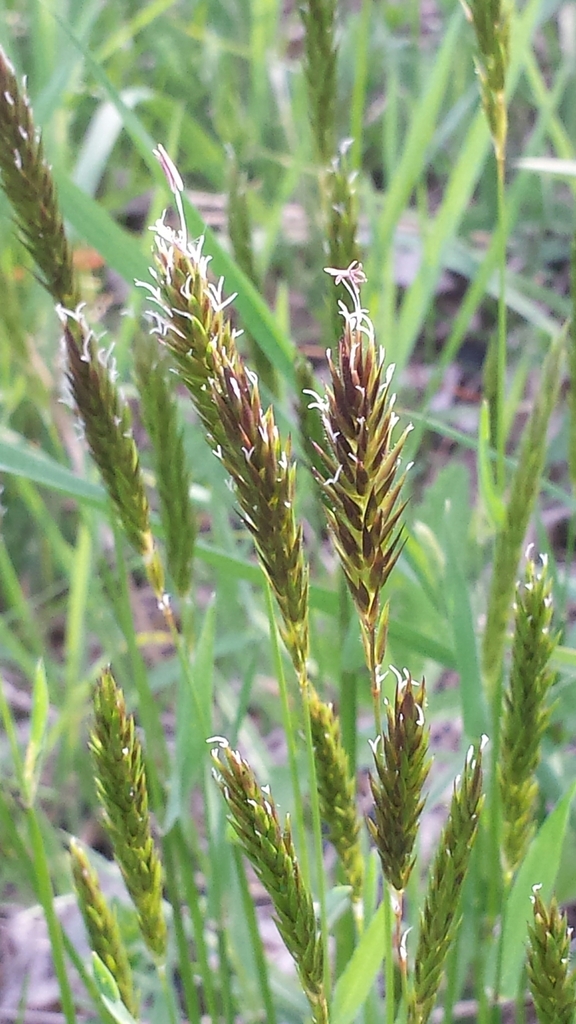
- Schlanke, aufrechte grüne Stängel
- Dichte, zylindrische Blütenähren
- Deutlicher süßer Heuduft
- Schmale, flache Blattspreiten
- Gelblich-grüne Blütenfarbe
- Höhe
- 0,2 bis 0,5m
- Breite
- 0,15 bis 0,3m
- Blätter
- green, deciduous
- Blüten
- yellow, green, 0,5 bis 1cm
Häufige Probleme
- Rust — Fungal infection causing orange or brown pustules on the leaves.
Standort und Pflege
- Vermehrung
- seed, division
- Pflanzzeit
- spring, autumn
- Überwinterung
- The foliage may die back in winter, so trim the dead growth in early spring to make room for new shoots.
- Im Kübel
- It grows well in containers if provided with good drainage and enough space for roots.
Seed
- 1. Collect seeds in late summer.
- 2. Sow in trays in autumn.
- 3. Keep moist until germination.
Division
- 1. Dig up the clump in spring.
- 2. Separate into smaller sections.
- 3. Replant immediately.
Plant in drifts with other meadow wildflowers to create a naturalistic look.
Gute Pflanzpartner
- Gänseblümchen — They share similar meadow habitat requirements.
- Red clover — It fixes nitrogen which helps the grass grow in poor soil.
Ähnliche Arten
- Hierochloe odorata — Both species share a distinct sweet scent.
Botanisches
- Familie
- Poaceae
- Gattung
- Anthoxanthum
- Ordnung
- Poales
- Klasse
- Liliopsida
- Ursprüngliche Heimat
- Europe, Western Asia, and North Africa.
- Artenschutz
- This species is common and widespread, not currently of conservation concern.
It is a hardy grass that thrives in acidic, nutrient poor soils and open meadows.
- Nutzen für Wildtiere
- larval host plant, seeds provide food for birds
- Bestäuber
- Bienen, Schmetterlinge
- Verwendung
- ornamental grass, scented gardens, meadow restoration
Im Jahresverlauf
Ökologische Zeigerwerte
- Salzgehalt
- 1/9
- Bodenreaktion
- 4/9
- Licht
- 6/9
- Temperatur
- 5/9
- Feuchtigkeit
- 5/9
- Nährstoffe
- 3/9
Taxonomie abgeglichen mit GBIF.
Häufige Fragen
- Does it need full sun?
- It thrives in full sun but tolerates partial shade.
- Is it invasive?
- It is naturalized in many areas but generally not considered aggressive.
Woher der Name kommt
The name Anthoxanthum comes from the Greek words for flower and yellow, referring to the color of the inflorescence. Odoratum refers to the sweet scent of the plant.
Gut zu wissen
- It is often called sweet vernal grass.
- The scent intensifies as the plant dries.
- It was historically used to scent linens.
Probleme mit Sweet vernal grass?
Diese Seite bietet allgemeine Infos. Pocket Botanist erkennt Probleme anhand eines Fotos deiner echten Pflanze, passt das Gießen an dein Licht und deinen Standort an und erinnert dich an die Pflege.
Dieser Ratgeber wurde mit KI erstellt und mit der GBIF-Taxonomie abgeglichen. Er dient zur allgemeinen Information und ersetzt keine gärtnerische oder tierärztliche Beratung. Hier erfährst du, wie wir diese Ratgeber erstellen.