 Pocket Botanist
Plant guide
Redroot pigweed.
Amaranthus retroflexus
Pronounced am-uh-RAN-thus ret-roh-FLEX-us
Also known as American pigweed, Common Amaranth, Common Tumble Weed



Scan with your phone's camera to get the app
Or go to pocketbotanist.app/get on your phone
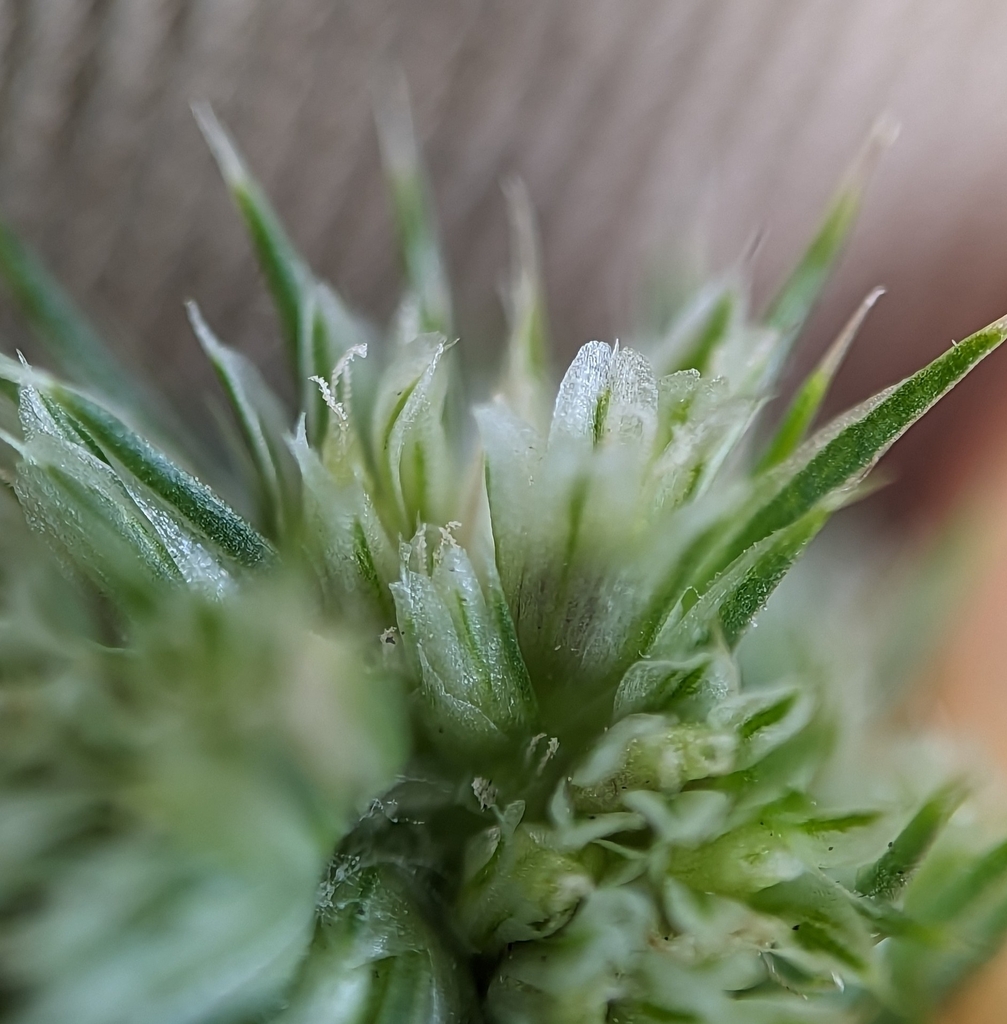
This hardy annual is often considered a weed, but it has a fascinating history as a food source. It grows quickly and produces massive amounts of tiny, dark seeds. You will find it popping up in disturbed soil across many regions.
At a glance
- Care level
- Easy
- Plant type
- Annual
- Light
- Full sun
- Indoor light
- Direct sun
- Water
- Every 3 to 7 days
- Mature size
- 1 to 6.5 feet
- Growth rate
- Fast
- Hardiness
- USDA 2 to 11
- Bloom time
- Mid summer to early autumn
Care
Just give it plenty of sun and keep the soil from drying out completely. Watch for rapid growth during the heat of summer. It is very adaptable but prefers loose, fertile soil.
- Watering
- Keep the soil consistently moist but not waterlogged for the best growth.
- Feeding
- A balanced liquid fertilizer helps if the soil is poor.
- Pruning
- Remove flower spikes early if you want to prevent it from spreading seeds everywhere.
- Repotting
- As an annual, this plant completes its life cycle in one season and does not require repotting.
- Soil
- Loamy, well-draining soil
- Soil pH
- 6.0 to 7.5
- Temperature
- 10 to 35°C
- Humidity
- 30 to 70%
- Drought tolerance
- High
- Lifespan
- Annual, typically 1 growing season
- Deer and rabbits
- Moderate
Safety
- People
- The plant is generally safe to eat when cooked, but raw consumption in large quantities is discouraged due to nitrate and oxalate content.
- Pets
- This plant can build up nitrates and oxalates and is a known cause of poisoning in livestock such as pigs and cattle. A small nibble is unlikely to harm cats or dogs, but do not let pets eat large amounts.
- Children
- The tiny seeds are a potential choking hazard if ingested in large amounts, though the plant is not inherently poisonous.
- Contact allergens
- The stems can be slightly prickly or rough, which may cause minor skin irritation in sensitive individuals.
- Airborne allergens
- The abundant pollen produced by the flowers can trigger seasonal allergies in susceptible people.
- Edibility
- Leaves contain oxalates and should be boiled in water before consumption to reduce potential kidney irritation.
How to identify it
- Stiff, upright, hairy stems
- Oval shaped, alternate leaves
- Dense, bristly flower spikes
- Deep red or pink taproot
- Tiny, shiny black seeds
- Height
- 0.3 to 2m
- Spread
- 0.2 to 0.6m
- Leaves
- green, deciduous
- Flowers
- green, 0.1 to 0.3cm
- Fruit
- black, Autumn
Problems to watch for
- Leaf spot · Fungal infections can cause dark spots on foliage during periods of high humidity.
Check your redroot pigweed from a photo
Pocket Botanist looks at a photo of your plant and tells you what's wrong and what to try first.
Scan with your phone's camera to get the app
Or go to pocketbotanist.app/get on your phone
Growing it
- Propagation
- seed
- When to plant
- spring
- Overwintering
- The plant dies completely after the first hard frost, so simply clear the debris to prevent seed dispersal.
- In containers
- It grows poorly in containers due to its deep taproot and aggressive growth habit.
Direct sowing
- 1. Scatter seeds on loose soil in spring.
- 2. Lightly cover with soil.
- 3. Keep moist until germination.
It is best to keep this plant away from your main vegetable beds to prevent it from outcompeting your crops.
Grows well with
- Corn · They share similar light requirements but often compete for space.
Keep away from
- Tomato · It is a vigorous competitor that can stunt tomato growth by hogging soil nutrients.
Similar species
- Smooth pigweed · It looks very similar but has smoother stems and slightly different flower structures.
Science
- Family
- Amaranthaceae
- Genus
- Amaranthus
- Order
- Caryophyllales
- Class
- Magnoliopsida
- Native range
- Central and North America
- Conservation
- This is a widespread weed and is not of conservation concern.
It thrives in disturbed soils and open areas where it can quickly outcompete other seedlings for sunlight.
- Value to wildlife
- pollen source, seed source for birds
- Pollinators
- bees, butterflies, beetles
- Uses
- foraging, green manure, soil stabilizer
Through the year
Ecological indicators
- Salinity
- 2/9
- Soil reaction
- 6/9
- Light
- 8/9
- Temperature
- 7/9
- Moisture
- 5/9
- Nutrients
- 7/9
Taxonomy resolved against GBIF.
Questions people ask
- Is it a good garden plant?
- It is usually considered a weed because it competes aggressively with crops for nutrients.
- Can I eat it?
- Yes, the leaves are edible when cooked, similar to spinach.
Where the name comes from
The name Amaranthus comes from the Greek word meaning unfading, while retroflexus refers to the bent back appearance of the flower spikes.
Good to know
- It is commonly known as redroot pigweed because of its reddish taproot.
- The plant is a C4 photosynthesizer, allowing it to grow rapidly in hot, sunny conditions.
- It is often found in vegetable gardens and disturbed fields.
Also in
Keep your redroot pigweed growing
This page is a general guide. Save your plant in Pocket Botanist and you get care reminders timed for this plant, plus a care history that shows what worked.
Scan with your phone's camera to get the app
Or go to pocketbotanist.app/get on your phone
This guide was generated with AI on and checked against GBIF taxonomy. It is general information, not horticultural or veterinary advice. Read about how we build these guides.