 Pocket Botanist
Guide botanique
Broad Bean.
Vicia faba
Prononciation VIH-see-uh FAH-buh
Aussi appelée Broad Bean, Fava bean, Field Bean


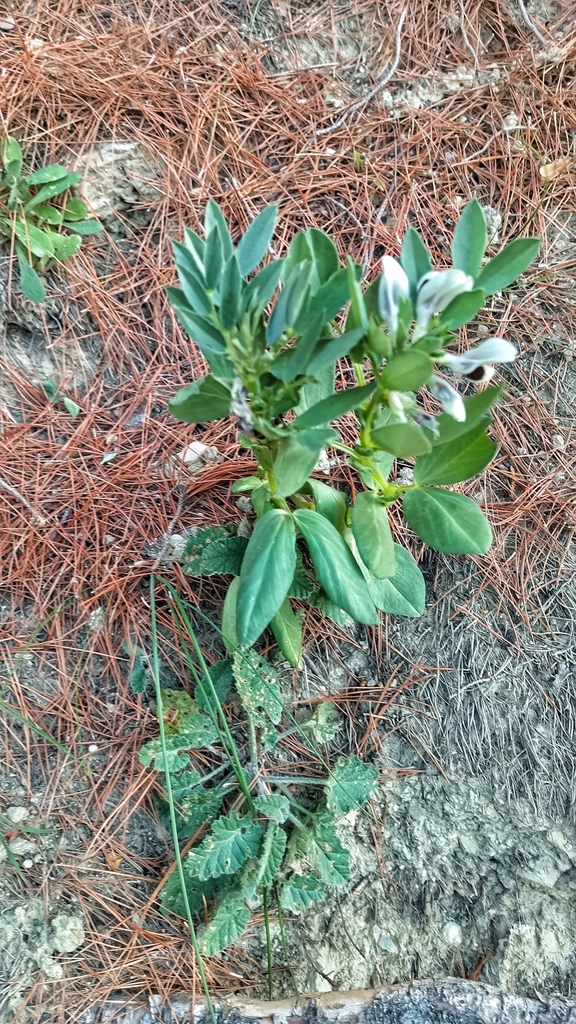
Broad beans are cool season crops that produce delicious, protein-rich pods. They thrive in temperate climates and are quite hardy against light frost. You will love how easy they are to grow in your garden.

En un coup d'œil
- Niveau d'entretien
- Facile
- Type de plante
- Annual vegetable
- Lumière
- Full sun
- Lumière en intérieur
- Soleil direct
- Arrosage
- Tous les 5 à 7 jours
- Taille adulte
- 3 to 4 feet
- Croissance
- Rapide
- Rusticité
- USDA 7 à 10
- Floraison
- Late winter to late spring
Entretien
Plant these in well-draining soil and keep the area weed-free as they establish. Watch for aphids on the tender new growth during the spring. Provide support for taller varieties to keep the heavy pods off the ground.
- Arrosage
- Keep the soil consistently moist but never waterlogged during the flowering and pod-filling stages.
- Engrais
- Apply a balanced organic fertilizer once when the plants start to flower.
- Taille
- Pinch off the growing tips once the first pods have set to encourage energy into the beans.
- Rempotage
- These are annuals and are typically grown directly in the garden soil.
- Sol
- Loamy, fertile soil
- pH du sol
- 6.0 to 7.5
- Température
- 5 à 25°C
- Humidité
- 40 à 70%
- Résistance à la sécheresse
- Moyenne
- Durée de vie
- Annual, typically 6 to 9 months
- Parfum
- Léger
- Résistance aux chevreuils et lapins
- Moyenne
Signes qu'il faut rempoter
- Roots growing out of drainage holes
- Stunted growth despite regular feeding
Sécurité
- Humains
- The plant is generally safe to eat when cooked, but raw beans contain compounds that are toxic to those with a specific genetic enzyme deficiency.
- Enfants
- The large, smooth seeds can be a choking hazard for small children if left unattended.
- Allergènes de contact
- Handling the foliage may cause mild skin irritation in sensitive individuals.
- Allergènes aéroportés
- Pollen from the flowers can trigger seasonal allergies in some people.
- Comestibilité
- Raw fava beans can cause severe illness in individuals with G6PD deficiency, a condition known as favism.
Comment l'identifier
- Sturdy upright square stems
- Compound leaves with oval leaflets
- White flowers with black spots
- Large green edible pods
- Hauteur
- 0,3 à 1,2m
- Envergure
- 0,2 à 0,45m
- Feuilles
- green, blue-green, deciduous
- Fleurs
- white, black, 2 à 3cm
- Fruits
- green, Late spring to early summer
Problèmes courants
- Aphids — Small insects that cluster on tender new growth and suck plant sap.
- Chocolate spot — A fungal infection causing brown spots on leaves and stems during wet weather.
La cultiver
- Multiplication
- seed
- Quand planter
- fall, late winter, early spring
- Hivernage
- In mild climates, they can remain in the garden through winter. In colder areas, provide a light mulch to protect the roots from deep freezes.
- En pot
- They grow well in large containers, provided the pot is at least 30 centimeters deep.
Direct Sowing
- 1. Prepare soil with compost.
- 2. Plant seeds 5 centimeters deep.
- 3. Space seeds 15 centimeters apart.
- 4. Water thoroughly after planting.
Plant fava beans alongside leafy greens to make the most of your garden space while enriching the soil.
Bonnes associations
À éloigner de
- Oignon — Onions may inhibit the growth of legumes when planted in close proximity.
Espèces similaires
- Pois de senteur — They share a similar growth habit and legume family characteristics.
Science
- Famille
- Fabaceae
- Genre
- Vicia
- Ordre
- Fabales
- Classe
- Magnoliopsida
- Région d'origine
- Mediterranean and Southwest Asia
- Préservation
- This species is widely cultivated and not of conservation concern.
It thrives in cool, moist conditions and improves soil fertility through symbiotic nitrogen fixation.
- Intérêt pour la faune
- nectar source
- Pollinisateurs
- abeilles
- Utilisations
- culinary vegetable, cover crop, nitrogen fixer
Au fil des saisons
Repères écologiques
- Salinité
- 2/9
- Réaction du sol
- 6/9
- Lumière
- 7/9
- Température
- 4/9
- Humidité
- 5/9
- Nutriments
- 6/9
Taxonomie vérifiée avec le GBIF.
Ce qu'on demande souvent
- When should I plant fava beans?
- Plant them in the fall for winter harvest or in late winter for a spring harvest.
- Do I need to stake them?
- Taller varieties often benefit from support to keep them upright.
D'où vient le nom
Vicia is the classical Latin name for vetch, while faba simply means bean in Latin.
Bon à savoir
- Fava beans are one of the oldest domesticated crops in the world.
- They are excellent at fixing nitrogen in the soil.
- The flowers have a lovely, subtle fragrance.
Ta plante a mauvaise mine ?
Cette page est un guide général. Pocket Botanist diagnostique les problèmes directement à partir d'une photo de ta plante, adapte l'arrosage à sa luminosité et te prévient quand il faut t'en occuper.
Ce guide a été généré par IA et vérifié avec la taxonomie du GBIF. Il s'agit d'informations générales, et non de conseils horticoles ou vétérinaires. Découvre comment nous concevons ces guides.