 Pocket Botanist
Guía de plantas
Broad Bean.
Vicia faba
Pronunciación VIH-see-uh FAH-buh
También se conoce como Broad Bean, Fava bean, Field Bean


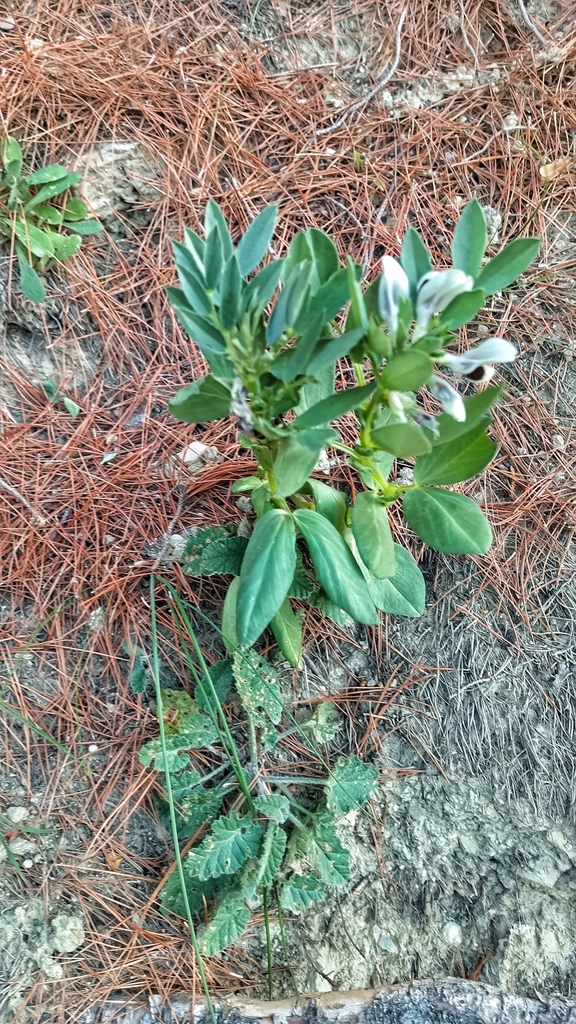
Broad beans are cool season crops that produce delicious, protein-rich pods. They thrive in temperate climates and are quite hardy against light frost. You will love how easy they are to grow in your garden.

De un vistazo
- Nivel de cuidados
- Fácil
- Tipo de planta
- Annual vegetable
- Luz
- Full sun
- Luz en interior
- Sol directo
- Riego
- Cada 5 a 7 días
- Tamaño adulto
- 3 to 4 feet
- Ritmo de crecimiento
- Rápido
- Rusticidad
- USDA 7 a 10
- Floración
- Late winter to late spring
Cuidados
Plant these in well-draining soil and keep the area weed-free as they establish. Watch for aphids on the tender new growth during the spring. Provide support for taller varieties to keep the heavy pods off the ground.
- Riego
- Keep the soil consistently moist but never waterlogged during the flowering and pod-filling stages.
- Abonado
- Apply a balanced organic fertilizer once when the plants start to flower.
- Poda
- Pinch off the growing tips once the first pods have set to encourage energy into the beans.
- Trasplante
- These are annuals and are typically grown directly in the garden soil.
- Suelo
- Loamy, fertile soil
- pH del suelo
- 6.0 to 7.5
- Temperatura
- 5 a 25°C
- Humedad
- 40 a 70%
- Tolerancia a la sequía
- Moderada
- Longevidad
- Annual, typically 6 to 9 months
- Fragancia
- Suave
- Resistencia a ciervos y conejos
- Moderada
Señales de que necesita trasplante
- Roots growing out of drainage holes
- Stunted growth despite regular feeding
Seguridad
- Personas
- The plant is generally safe to eat when cooked, but raw beans contain compounds that are toxic to those with a specific genetic enzyme deficiency.
- Niños
- The large, smooth seeds can be a choking hazard for small children if left unattended.
- Alérgenos por contacto
- Handling the foliage may cause mild skin irritation in sensitive individuals.
- Alérgenos en el aire
- Pollen from the flowers can trigger seasonal allergies in some people.
- Comestibilidad
- Raw fava beans can cause severe illness in individuals with G6PD deficiency, a condition known as favism.
Cómo identificarla
- Sturdy upright square stems
- Compound leaves with oval leaflets
- White flowers with black spots
- Large green edible pods
- Altura
- 0,3 a 1,2m
- Anchura
- 0,2 a 0,45m
- Hojas
- green, blue-green, deciduous
- Flores
- white, black, 2 a 3cm
- Frutos
- green, Late spring to early summer
Problemas frecuentes
- Aphids — Small insects that cluster on tender new growth and suck plant sap.
- Chocolate spot — A fungal infection causing brown spots on leaves and stems during wet weather.
Cómo cultivarla
- Propagación
- seed
- Cuándo plantar
- fall, late winter, early spring
- Cuidados en invierno
- In mild climates, they can remain in the garden through winter. In colder areas, provide a light mulch to protect the roots from deep freezes.
- En maceta
- They grow well in large containers, provided the pot is at least 30 centimeters deep.
Direct Sowing
- 1. Prepare soil with compost.
- 2. Plant seeds 5 centimeters deep.
- 3. Space seeds 15 centimeters apart.
- 4. Water thoroughly after planting.
Plant fava beans alongside leafy greens to make the most of your garden space while enriching the soil.
Buenas compañeras
Mantenla lejos de
- Cebolla — Onions may inhibit the growth of legumes when planted in close proximity.
Especies parecidas
- Guisante de olor — They share a similar growth habit and legume family characteristics.
Ciencia
- Familia
- Fabaceae
- Género
- Vicia
- Orden
- Fabales
- Clase
- Magnoliopsida
- Distribución natural
- Mediterranean and Southwest Asia
- Conservación
- This species is widely cultivated and not of conservation concern.
It thrives in cool, moist conditions and improves soil fertility through symbiotic nitrogen fixation.
- Valor para la fauna
- nectar source
- Polinizadores
- abejas
- Usos
- culinary vegetable, cover crop, nitrogen fixer
A lo largo del año
Indicadores ecológicos
- Salinidad
- 2/9
- Reacción del suelo
- 6/9
- Luz
- 7/9
- Temperatura
- 4/9
- Humedad
- 5/9
- Nutrientes
- 6/9
Taxonomía cotejada con GBIF.
Lo que más preguntan
- When should I plant fava beans?
- Plant them in the fall for winter harvest or in late winter for a spring harvest.
- Do I need to stake them?
- Taller varieties often benefit from support to keep them upright.
De dónde viene el nombre
Vicia is the classical Latin name for vetch, while faba simply means bean in Latin.
Bueno saberlo
- Fava beans are one of the oldest domesticated crops in the world.
- They are excellent at fixing nitrogen in the soil.
- The flowers have a lovely, subtle fragrance.
¿Tu broad bean tiene mal aspecto?
Esta página es una guía general. Pocket Botanist diagnostica problemas a partir de una foto de tu propia planta, calcula el riego según tu luz y tus condiciones, y te avisa cuando toca cuidarla.
Esta guía se ha generado con IA y se ha cotejado con la taxonomía de GBIF. Es información general, no asesoramiento botánico ni veterinario. Descubre cómo elaboramos estas guías.