 Pocket Botanist
Guía de plantas
Guisante de olor.
Lathyrus odoratus L.
Pronunciación LAY-thur-us oh-doh-RAY-tus
También se conoce como Guisante de Olor, Sweet Pea, Guisante perfumado


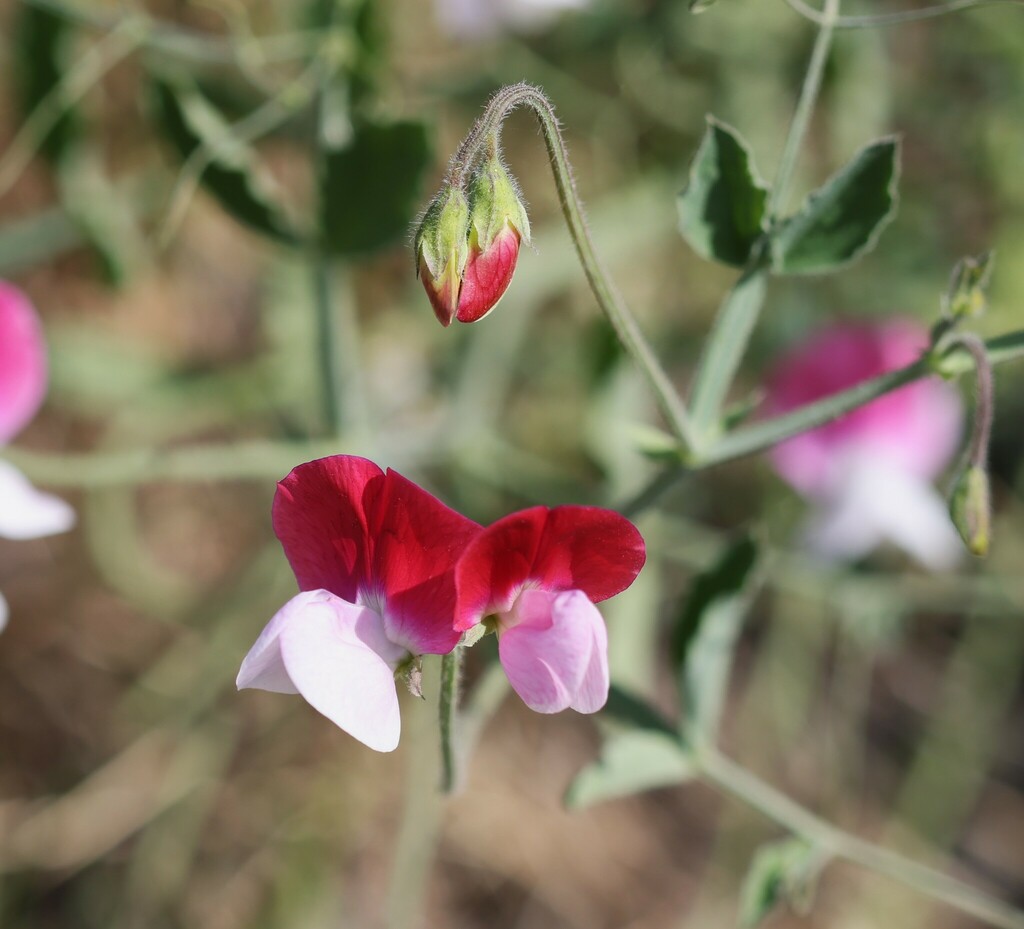
Los guisantes de olor son muy apreciados por sus impresionantes y fragantes flores que aportan un toque de encanto clásico de jardín de campo a cualquier espacio. Estas anuales trepadoras prosperan en climas más frescos y son perfectas para entrenar en espalderas o vallas. Te encantará cómo sus delicadas flores llenan el aire con un aroma dulce y a miel.

De un vistazo
- Nivel de cuidados
- Media
- Tipo de planta
- Enredadera anual
- Luz
- Pleno sol
- Luz en interior
- Sol directo
- Riego
- Cada 2 a 4 días
- Tamaño adulto
- 6 a 8 pies
- Ritmo de crecimiento
- Rápido
- Rusticidad
- USDA 7 a 10
- Floración
- Finales de primavera a principios de verano
Cuidados
Proporciona una espaldera resistente desde el principio para que tengan algo a lo que trepar a medida que crecen. Vigila los pulgones y el oídio, que pueden ser comunes en condiciones de humedad o hacinamiento. Pellizca regularmente las flores marchitas para fomentar una temporada de floración más larga.
- Riego
- Mantén la tierra constantemente húmeda, pero nunca empapada.
- Abonado
- Usa un fertilizante líquido equilibrado una vez que las plantas comiencen a florecer.
- Poda
- Pellizca regularmente las flores marchitas para mantener la planta produciendo nuevas flores.
- Trasplante
- Al ser anuales, estas plantas completan su ciclo de vida en una temporada y no requieren trasplante.
- Suelo
- Tierra rica, orgánica y bien drenada
- pH del suelo
- 6.0 a 7.5
- Temperatura
- -5 a 25°C
- Humedad
- 40 a 60%
Seguridad
- Personas
- Todas las partes de la planta son levemente tóxicas si se ingieren.
- Mascotas
- Esta planta es tóxica para gatos y perros si se ingiere, ya que contiene compuestos que causan lathyrism.
- Niños
- Mantenga las semillas alejadas de los niños pequeños, ya que pueden ser un peligro de asfixia y son tóxicas si se comen.
- Alérgenos por contacto
- Manipular el follaje puede causar una leve irritación en la piel en personas sensibles.
- Alérgenos en el aire
- La fuerte fragancia a veces puede desencadenar reacciones en personas con sensibilidades florales severas.
- Comestibilidad
- Las semillas de los guisantes de olor contienen lathirógenos y se consideran tóxicas si se ingieren en cantidad.
Cómo identificarla
- Flores delicadas, papiráceas y fragantes
- Zarcillos para el soporte de escalada
- Hojas compuestas con dos folíolos
- Tallos alados
- Altura
- 1,5 a 2,5m
- Anchura
- 0,3 a 0,6m
- Hojas
- verde, caducifolio
- Flores
- rosa, púrpura, blanco, rojo, azul, 3 a 5cm
- Frutos
- marrón, Finales de verano
Problemas a vigilar
- Babosas y caracolesComún
- OídioComún
- PulgonesComún
- BotritisPoco común
- Podredumbre radicularPoco común
- TripsPoco común
Por síntoma
Revisa tu guisante de olor con una foto
Pocket Botanist mira una foto de tu planta y te dice qué le pasa y qué probar primero.
Cómo cultivarla
- Propagación
- semilla
- Cuándo plantar
- principios de primavera, finales de otoño
Plante guisantes de olor cerca de anuales de bajo crecimiento para dar sombra a sus raíces, lo que ayuda a mantenerlas frescas durante los días más cálidos.
Buenas compañeras
Especies parecidas
- Lathyrus latifolius — Un pariente perenne que es mucho más resistente pero carece de la fuerte fragancia.
Ciencia
- Familia
- Fabaceae
- Género
- Lathyrus
- Orden
- Fabales
- Clase
- Magnoliopsida
- Distribución natural
- Sur de Italia y Sicilia
- Conservación
- No es de preocupación para la conservación.
Crece como una vid trepadora en matorrales mediterráneos, usando zarcillos para escalar la vegetación circundante.
- Valor para la fauna
- fuente de néctar
- Polinizadores
- abejas, mariposas
- Usos
- flores cortadas, interés en jardines verticales, borduras fragantes
A lo largo del año
Indicadores ecológicos
- Luz
- 7/9
- Humedad
- 5/9
- Nutrientes
- 6/9
- Salinidad
- 2/9
- Reacción del suelo
- 6/9
- Temperatura
- 5/9
Taxonomía cotejada con GBIF.
Lo que más preguntan
- ¿Por qué no florecen mis guisantes de olor?
- A menudo dejan de florecer una vez que el clima se vuelve demasiado caluroso.
- ¿Debo quitarles las flores marchitas?
- Sí, quitar las flores marchitas previene la formación de vainas de semillas y fomenta más flores.
De dónde viene el nombre
El nombre del género Lathyrus proviene de la palabra griega para un tipo de guisante, mientras que odoratus se refiere a su dulce aroma.
Bueno saberlo
- Los guisantes de olor no están emparentados con el guisante de jardín comestible.
- Las flores fueron utilizadas célebremente por Gregor Mendel en sus primeros experimentos genéticos.
- Requieren un enrejado o soporte para trepar eficazmente.
También en
Que tu guisante de olor siga creciendo
Esta página es una guía general. Guarda tu planta en Pocket Botanist y tendrás recordatorios de cuidado pensados para esta planta, además de un historial de cuidados que muestra qué ha funcionado.
Esta guía se ha generado con IA y se ha cotejado con la taxonomía de GBIF. Es información general, no asesoramiento botánico ni veterinario. Descubre cómo elaboramos estas guías.