 Pocket Botanist
Guide botanique
Raspberry.
Rubus idaeus
Prononciation ROO-bus eye-DAY-us
Aussi appelée American Red Raspberry, Common Red Raspberry, Raspberry, Raspberry, Red Raspberry, Red Raspberry


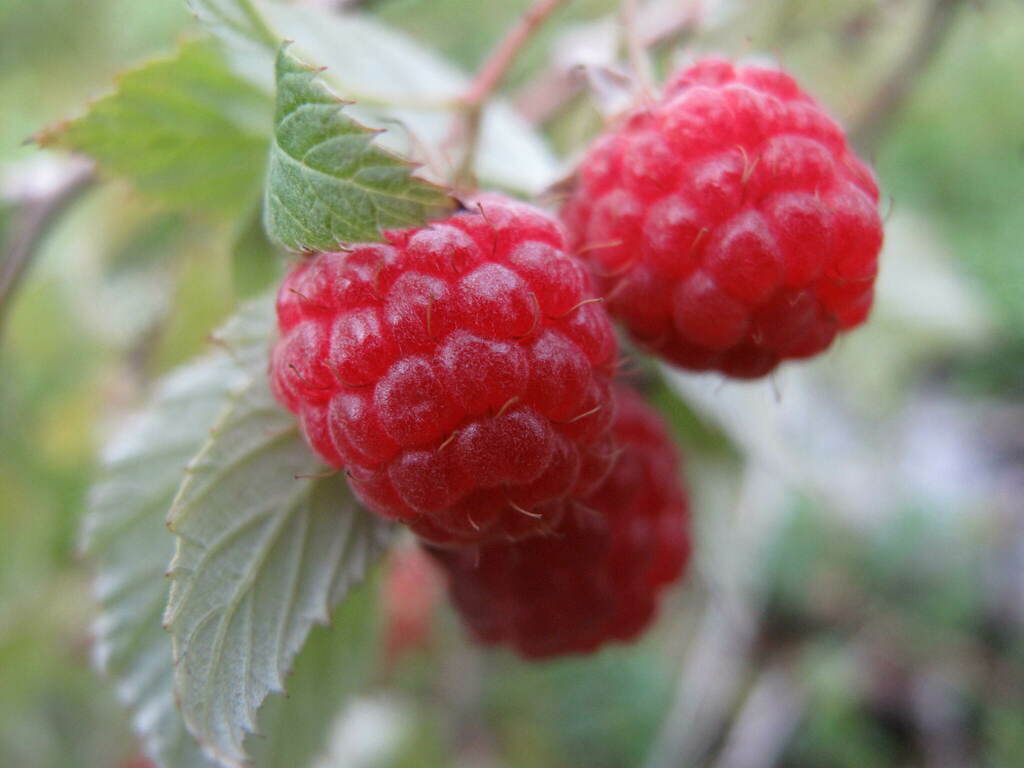
Raspberries are delightful cane fruits that bring a sweet harvest to your garden. They grow on biennial stems called primocanes and floricanes. You will love picking these berries fresh right off the bush.

En un coup d'œil
- Niveau d'entretien
- Moyenne
- Type de plante
- Deciduous shrub
- Lumière
- Full sun
- Lumière en intérieur
- Soleil direct
- Arrosage
- Tous les 3 à 7 jours
- Taille adulte
- 6 feet
- Croissance
- Rapide
- Rusticité
- USDA 3 à 8
- Floraison
- Late spring to early summer
Entretien
Keep the soil consistently moist but well drained to support fruit production. Watch for wilting leaves which may indicate root rot or underwatering. Prune out old canes after they finish fruiting to keep the plant healthy.
- Arrosage
- Water deeply whenever the top inch of soil feels dry.
- Engrais
- Apply a balanced fertilizer in early spring as new growth starts.
- Taille
- Remove spent floricanes immediately after the summer harvest.
- Rempotage
- Raspberries prefer being planted directly in the ground rather than containers.
- Sol
- Well draining loamy soil
- pH du sol
- 5.5 to 6.5
- Température
- -30 à 35°C
- Humidité
- 40 à 70%
- Résistance à la sécheresse
- Moyenne
- Durée de vie
- Perennial, typically 10 to 15 years.
- Parfum
- Léger
- Résistance aux chevreuils et lapins
- Moyenne
Signes qu'il faut rempoter
- Roots growing out of the drainage holes.
- The plant becomes top heavy and tips over.
- Growth slows significantly during the growing season.
Sécurité
- Humains
- The plant is non-toxic to humans.
- Enfants
- The sharp prickles on the canes can scratch young children, so supervise them near the patch.
- Allergènes de contact
- The stems often have small prickles that can cause minor skin scratches or irritation.
- Allergènes aéroportés
- The pollen may trigger mild seasonal allergies in sensitive individuals.
- Comestibilité
- Always ensure you are harvesting from a clean area free of chemical sprays or pollutants.
Comment l'identifier
- Thorny or prickly woody canes
- Compound leaves with serrated edges
- Small white five petaled flowers
- Aggregate fruit with hollow centers
- Hauteur
- 0,9 à 2m
- Envergure
- 0,6 à 1,2m
- Feuilles
- green, deciduous
- Fleurs
- white, 1 à 2cm
- Fruits
- red, yellow, black, Summer to early autumn
Problèmes courants
- Raspberry cane blight — A fungal infection that causes canes to wilt and die.
- Raspberry beetle — Small beetles that feed on the flowers and larvae that burrow into the fruit.
La cultiver
- Multiplication
- division, cuttings, seed
- Quand planter
- early spring, late autumn
- Hivernage
- Cut back spent canes to the ground in late autumn. Apply a layer of mulch around the base to protect the roots from extreme cold.
- En pot
- They grow well in large containers at least 40 centimeters deep, provided they have a trellis for support.
Division
- 1. Dig up a section of the root system in early spring.
- 2. Ensure each piece has healthy buds or shoots.
- 3. Replant immediately in well draining soil.
Planting aromatic herbs nearby can help mask the scent of the berries from hungry insects.
Bonnes associations
À éloigner de
- Blackberry — They share similar pests and diseases and can easily outcompete raspberries.
Espèces similaires
- Blackberry — They are closely related but have different growth habits and fruit structures.
- Wineberry — It is a related species with distinct red, hairy stems and smaller fruit.
Science
- Famille
- Rosaceae
- Genre
- Rubus
- Ordre
- Rosales
- Classe
- Magnoliopsida
- Région d'origine
- Europe and northern Asia.
- Préservation
- Not of conservation concern as it is widely cultivated and naturalized.
It thrives in forest clearings and disturbed soils where it quickly colonizes through underground suckers.
- Intérêt pour la faune
- nectar source, wildlife food source
- Pollinisateurs
- abeilles, papillons
- Utilisations
- culinary fruit, jams and jellies, ornamental garden shrub
Au fil des saisons
Repères écologiques
- Salinité
- 2/9
- Réaction du sol
- 6/9
- Lumière
- 7/9
- Température
- 5/9
- Humidité
- 6/9
- Nutriments
- 6/9
Taxonomie vérifiée avec le GBIF.
Ce qu'on demande souvent
- Do I need to prune raspberries?
- Yes, pruning old canes after they fruit helps maintain plant health and productivity.
- Can I grow them in pots?
- Yes, use a large container with good drainage and choose a compact variety.
D'où vient le nom
The name Rubus comes from the Latin word for red, while idaeus refers to Mount Ida in Greece where the plant was famously found.
Bon à savoir
- Raspberries have been cultivated since the 16th century.
- They are rich in antioxidants and vitamin C.
- The canes are biennial, meaning they grow one year and fruit the next.
Ta plante a mauvaise mine ?
Cette page est un guide général. Pocket Botanist diagnostique les problèmes directement à partir d'une photo de ta plante, adapte l'arrosage à sa luminosité et te prévient quand il faut t'en occuper.
Ce guide a été généré par IA et vérifié avec la taxonomie du GBIF. Il s'agit d'informations générales, et non de conseils horticoles ou vétérinaires. Découvre comment nous concevons ces guides.