 Pocket Botanist

Check these first
- Smell the soil for a sour or rotten odor.
- Gently lift the plant to inspect the color of the roots.
- Check if the drainage holes are blocked.
Likely causes
Stagnant Water
Most likelyHow to tell: The leaves turn yellow and the base of the plant feels mushy. The soil may also emit a foul, swampy odor.
What to do: Repot the plant into fresh, well draining potting mix designed for moisture loving plants. Ensure the container has drainage holes to allow excess water to escape.
Fungal Pathogens
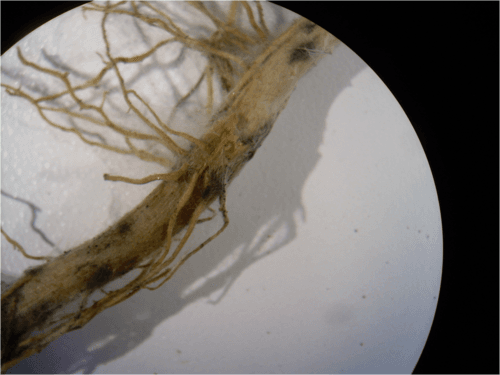
PossibleHow to tell: The roots appear dark, slimy, and break apart easily when touched. This often happens when the same water sits in a tray for too long.
What to do: Trim away all black or mushy roots with sterilized scissors. Rinse the remaining healthy roots and replant in clean, fresh soil.
Find out what's wrong with your marsh violet
The list above covers the usual causes. Pocket Botanist looks at a photo of your actual plant and tells you the likely cause, how serious it is, and what to try first. Identification and a health check are free.



Scan with your phone's camera to get the app
Or go to pocketbotanist.app/get on your phone
When to worry
If the entire base of the plant is soft and mushy, it is likely too late to save. Some leaf yellowing is normal as older foliage dies back.
Stopping it coming back
Refresh the water in the tray regularly and use a potting medium that stays damp but still allows for some air circulation.
Marsh violet: root rot? Check yours with a photo
Every plant is a little different. Take a photo of your marsh violet and Pocket Botanist tells you which cause is most likely, how serious it is, and what to try first. A few checks a day are free. Save the plant and you get care reminders timed for it.
Scan with your phone's camera to get the app
Or go to pocketbotanist.app/get on your phone
Get the app · Or check it from a photo now, free
Questions people ask
- Can I keep my violet in standing water?
- Yes, but the water should be refreshed every few days to keep it oxygenated. Stagnant water is the primary cause of root issues.
- What soil is best for marsh violets?
- Use a mix of peat moss and perlite or a specialized bog plant mix. This keeps the roots moist while preventing total compaction.
More problems with Marsh violet
- Why are there holes in my Marsh violet leaves?
- What is the white dust on my Marsh violet?
- Why is my Marsh violet wilting?
- Why is my Marsh violet looking so leggy?
- Why are my Marsh violet leaves turning yellow?
- Why are my Marsh violet leaf tips turning brown?
- Why is my marsh violet not flowering?
- Why are my marsh violet's leaves curling?
Back to the Marsh violet guide
This article was generated with AI on from the plant’s care profile and is general information, not horticultural advice. Read about how we build these guides.