 Pocket Botanist
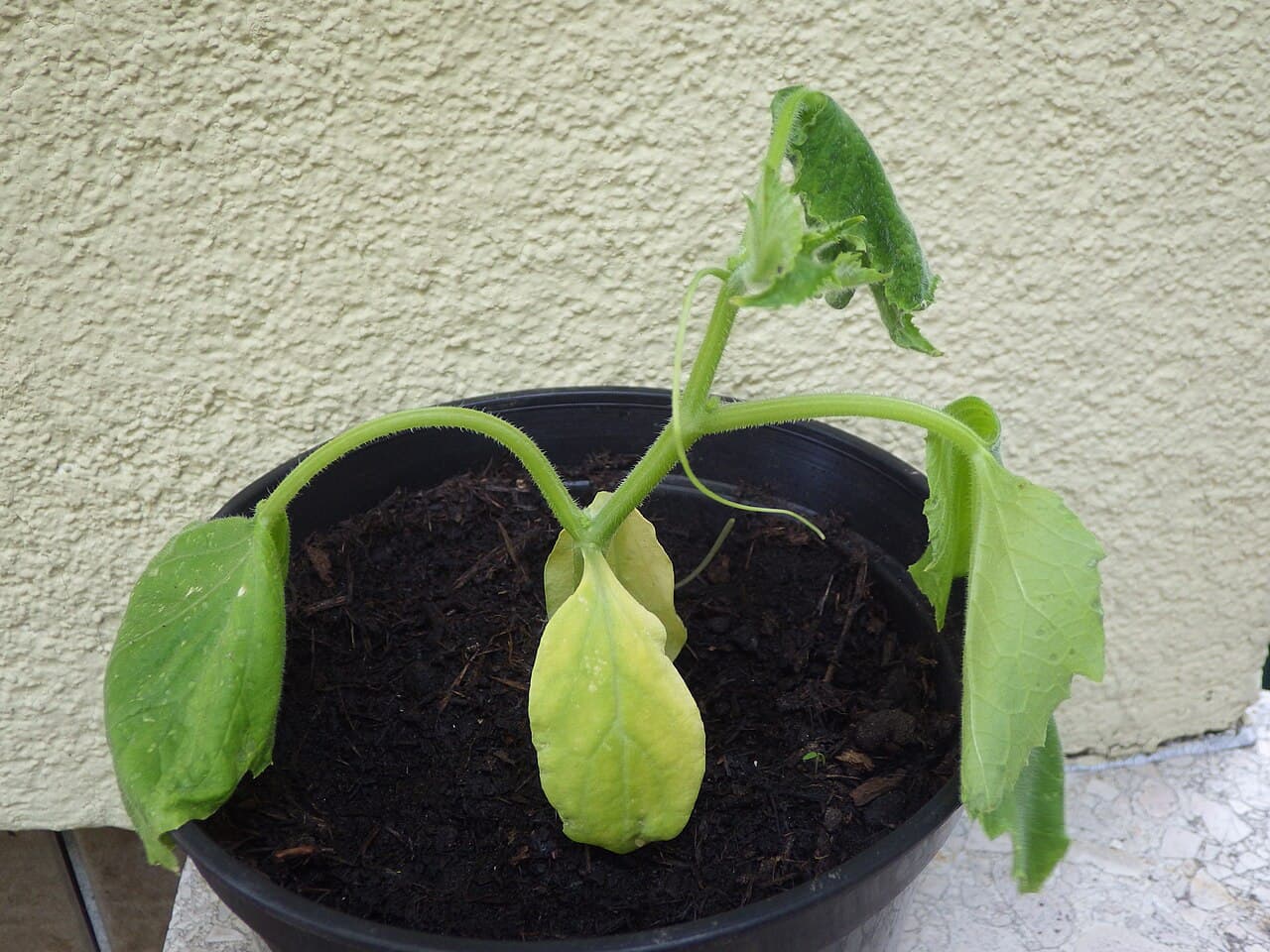

Check these first
- Touch the soil to see if it is dry.
- Check if the pot is light and needs water.
- Look for signs of wilting during the hottest part of the day.
Likely causes
Underwatering
Most likelyHow to tell: The soil feels dry to the touch and the leaves look limp and sad. This happens quickly if the plant is in a sunny or windy spot.
What to do: Water the plant thoroughly until water runs out the bottom of the pot. Keep the soil consistently damp by checking it every 2 to 4 days.
Heat stress
PossibleHow to tell: The plant droops during the hottest part of the day even if the soil is damp. The leaves may feel warm to the touch.
What to do: Move the plant to a shadier spot. Ensure it is protected from direct afternoon sun.
Find out what's wrong with your marsh violet
The list above covers the usual causes. Pocket Botanist looks at a photo of your actual plant and tells you the likely cause, how serious it is, and what to try first. Identification and a health check are free.



Scan with your phone's camera to get the app
Or go to pocketbotanist.app/get on your phone
When to worry
If the plant stays droopy even after you water it, you might have root damage. This is a sign of a more serious issue.
Stopping it coming back
Maintain a strict watering schedule. Use a saucer under the pot to help keep the soil moist for longer.
Marsh violet: drooping? Check yours with a photo
Every plant is a little different. Take a photo of your marsh violet and Pocket Botanist tells you which cause is most likely, how serious it is, and what to try first. A few checks a day are free. Save the plant and you get care reminders timed for it.
Scan with your phone's camera to get the app
Or go to pocketbotanist.app/get on your phone
Get the app · Or check it from a photo now, free
Questions people ask
- How often should I water my Marsh violet?
- Check it every 2 to 4 days. The soil should always feel damp like a wrung out sponge.
- Can I leave it in standing water?
- They like moisture, but they do not like to sit in stagnant water for weeks. Ensure the soil stays damp but not swampy.
Guides to these causes
More problems with Marsh violet
- Why are there holes in my Marsh violet leaves?
- What is the white dust on my Marsh violet?
- Why is my Marsh violet looking so leggy?
- Why are my Marsh violet leaves turning yellow?
- Why are my Marsh violet leaf tips turning brown?
- Why is my marsh violet not flowering?
- Why does my marsh violet have root rot?
- Why are my marsh violet's leaves curling?
Back to the Marsh violet guide
This article was generated with AI on from the plant’s care profile and is general information, not horticultural advice. Read about how we build these guides.