 Pocket Botanist
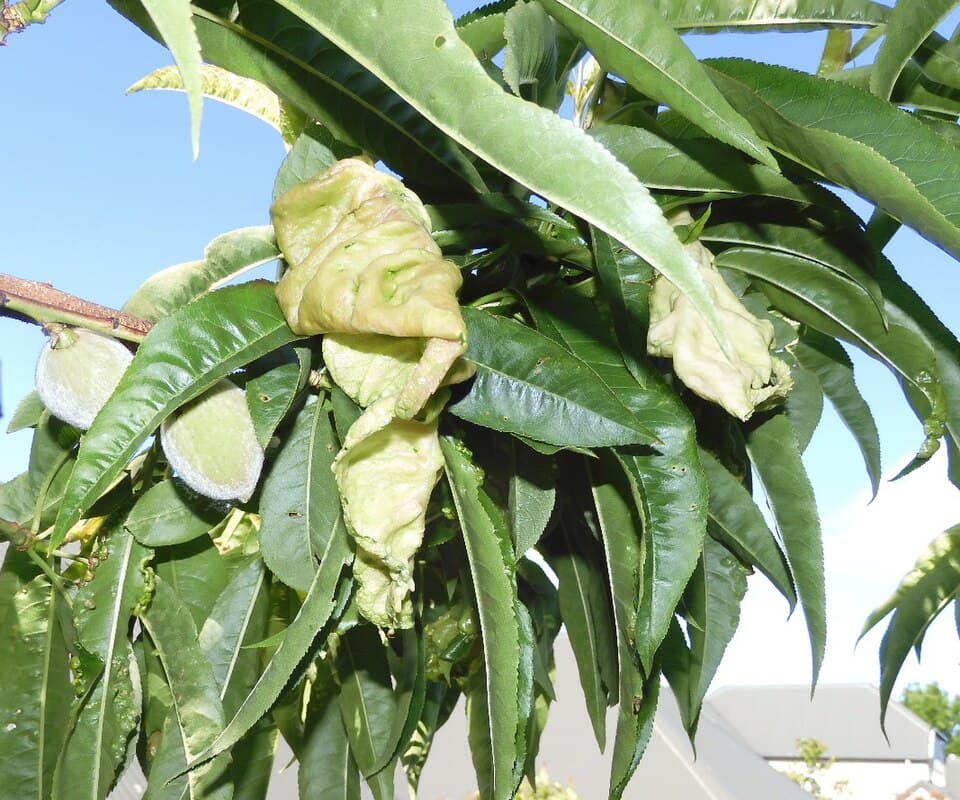

Check these first
- Inspect the undersides of the leaves for small pests.
- Check the soil surface for slug trails.
- Measure the temperature in the plant's current location.
Likely causes
Slug Infestation
Most likelyHow to tell: You see irregular holes or chewed edges on the leaves. Slugs often hide under the leaves or in the soil during the day.
What to do: Pick slugs off by hand in the evening or use a shallow dish of beer near the plant to trap them. Keep the area around the plant clear of debris where slugs like to hide.
Heat Stress
PossibleHow to tell: The leaves curl inward and feel dry to the touch. This happens when the plant is exposed to temperatures that are too high for its liking.
What to do: Move the plant to a cooler, more shaded location. Increase the humidity around the plant by misting it or placing it near other moisture loving plants.
Find out what's wrong with your marsh violet
The list above covers the usual causes. Pocket Botanist looks at a photo of your actual plant and tells you the likely cause, how serious it is, and what to try first. Identification and a health check are free.



Scan with your phone's camera to get the app
Or go to pocketbotanist.app/get on your phone
When to worry
If the curling is accompanied by holes or slime trails, you have a pest problem that needs immediate attention. Minor curling on very old leaves is usually just part of the aging process.
Stopping it coming back
Keep the area around your marsh violet clean and free of decaying plant matter to discourage slugs. Maintain a cool, shaded environment to prevent heat stress.
Marsh violet: curling leaves? Check yours with a photo
Every plant is a little different. Take a photo of your marsh violet and Pocket Botanist tells you which cause is most likely, how serious it is, and what to try first. A few checks a day are free. Save the plant and you get care reminders timed for it.
Scan with your phone's camera to get the app
Or go to pocketbotanist.app/get on your phone
Get the app · Or check it from a photo now, free
Questions people ask
- Will curling leaves straighten out?
- Usually, no. Once a leaf has curled due to stress or damage, it will likely stay that way, but new growth should be healthy if the cause is addressed.
- Are there other pests that cause curling?
- Aphids can sometimes cause leaf distortion, though they are less common on marsh violets than slugs. Check for tiny green or black insects on the new growth.
Guides to these causes
More problems with Marsh violet
- Why are there holes in my Marsh violet leaves?
- What is the white dust on my Marsh violet?
- Why is my Marsh violet wilting?
- Why is my Marsh violet looking so leggy?
- Why are my Marsh violet leaves turning yellow?
- Why are my Marsh violet leaf tips turning brown?
- Why is my marsh violet not flowering?
- Why does my marsh violet have root rot?
Back to the Marsh violet guide
This article was generated with AI on from the plant’s care profile and is general information, not horticultural advice. Read about how we build these guides.