 Pocket Botanist
Plant guide
Chinese elm.
Ulmus parvifolia
Pronounced UL-mus par-vih-FOH-lee-uh
Also known as Chinese elm, Lacebark elm, lacebark



Scan with your phone's camera to get the app
Or go to pocketbotanist.app/get on your phone
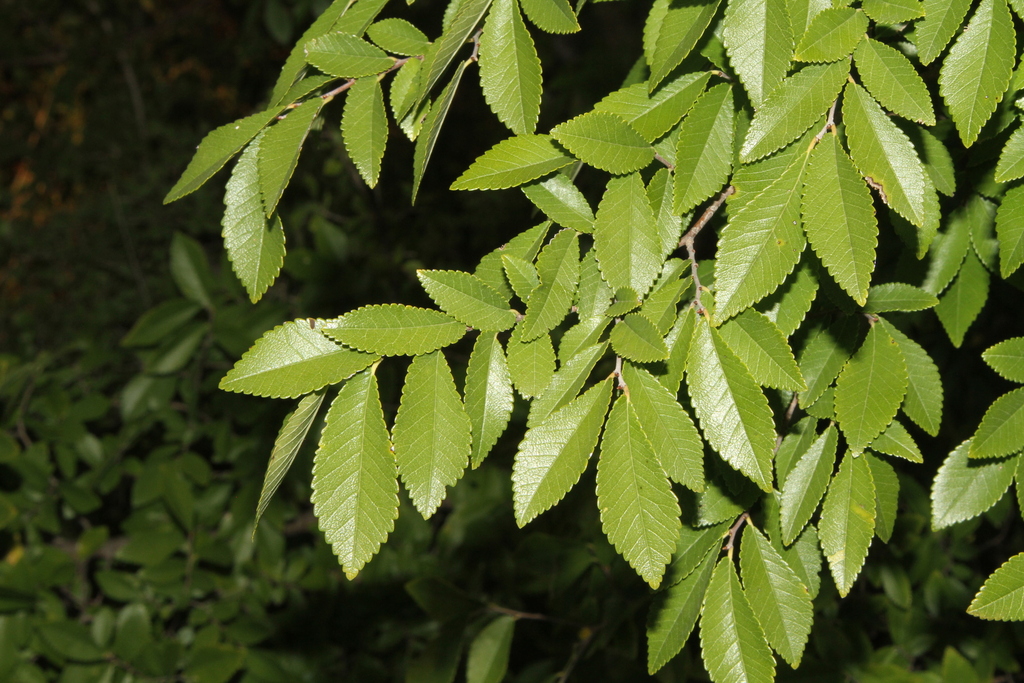
The Chinese elm is a beautiful, hardy tree known for its distinctive exfoliating bark that reveals mottled patterns of gray, green, and orange. It is a favorite for bonsai enthusiasts because of its small, serrated leaves and graceful, arching branches. This tree is quite adaptable and can thrive in a variety of environments.
At a glance
- Care level
- Easy
- Plant type
- Deciduous tree
- Light
- Full sun to partial shade
- Indoor light
- Bright indirect
- Water
- Every 2 to 5 days
- Mature size
- 40 to 50 feet
- Growth rate
- Fast
- Hardiness
- USDA 5 to 9
- Bloom time
- Late summer to early autumn
Care
Keep the soil consistently moist but never soggy to maintain health. Watch for yellowing leaves as a sign of overwatering or root stress. Ensure the tree gets plenty of airflow to prevent common fungal issues.
- Watering
- Water when the top inch of soil feels dry to the touch.
- Feeding
- Feed with a balanced liquid fertilizer during the active growing season.
- Pruning
- Trim back new growth to maintain shape and encourage dense branching.
- Repotting
- Repot when the roots have filled the container or the soil has broken down.
- Soil
- Well-draining, fertile loam
- Soil pH
- 6.0 to 7.5
- Temperature
- -25 to 40°C
- Humidity
- 30 to 70%
- Drought tolerance
- High
- Lifespan
- Perennial, typically 50 to 100 years in landscape settings.
- Deer and rabbits
- Moderate
Signs it needs repotting
- Roots circling the bottom of the pot
- Water draining too quickly through the soil
- Noticeable decline in growth rate
Safety
- People
- This plant is not considered toxic to humans.
- Children
- There are no specific safety concerns for children, though the tree should be planted away from play areas due to its eventual large size.
- Contact allergens
- The rough texture of the leaves may cause minor irritation for those with sensitive skin.
- Airborne allergens
- The windborne pollen can trigger seasonal allergies in sensitive individuals during the late summer flowering period.
- Edibility
- The seeds are technically edible but are not commonly consumed due to their papery texture and lack of flavor.
How to identify it
- Exfoliating bark with mottled colors
- Small, glossy, serrated green leaves
- Graceful, arching branch structure
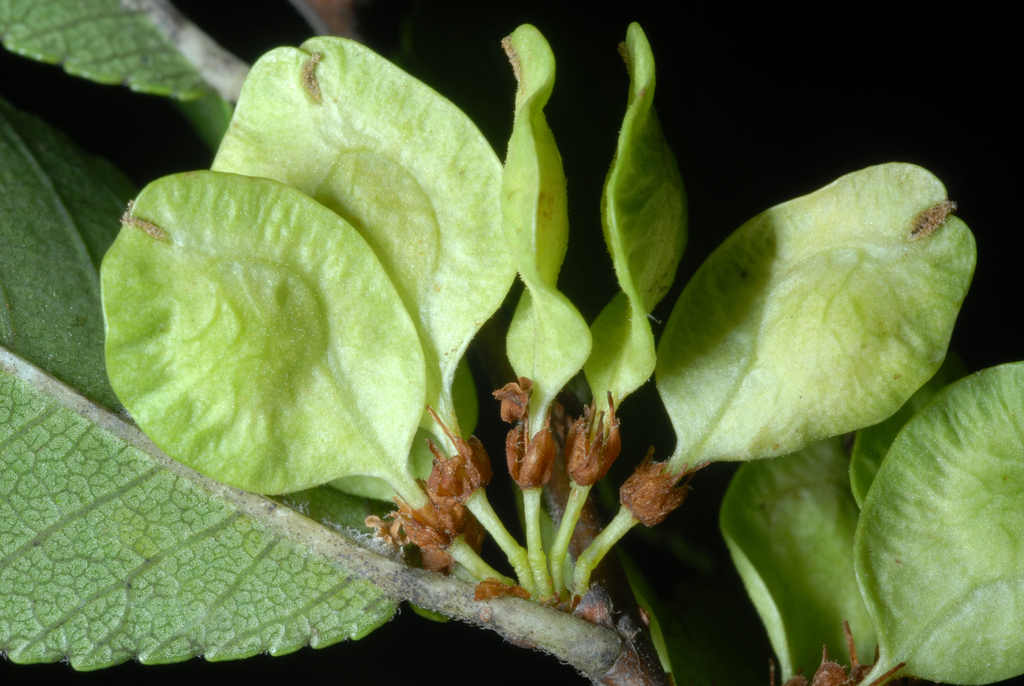
- Small, papery, winged samara seeds
- Height
- 12 to 18m
- Spread
- 9 to 15m
- Leaves
- green, yellow, red, semi-evergreen
- Flowers
- green, yellow, 0.5 to 1cm
- Fruit
- tan, brown, Autumn
Problems to watch for
- Elm leaf beetle · Beetles feed on leaves, causing skeletonization and premature drop.
- Powdery mildew · A fungal infection that creates a white, dusty coating on the foliage.
Check your chinese elm from a photo
Pocket Botanist looks at a photo of your plant and tells you what's wrong and what to try first.
Scan with your phone's camera to get the app
Or go to pocketbotanist.app/get on your phone
Growing it
- Propagation
- cuttings, seed
- When to plant
- spring, autumn
- Overwintering
- No special protection is needed in its hardiness range. Simply ensure the soil is well-drained to prevent root rot during wet winter months.
- In containers
- It is an excellent choice for containers and is one of the most popular species for bonsai, requiring a pot at least 30 centimeters wide.
Softwood cuttings
- 1. Take 10 centimeter cuttings in early summer.
- 2. Remove lower leaves and dip the base in rooting hormone.
- 3. Place in a well-draining potting mix and keep humid until rooted.
Plant shallow-rooted perennials beneath the tree to avoid disturbing the elm's root system.
Grows well with
- Daylily · These perennials thrive in the dappled shade provided by the elm canopy.
- Purple Coneflower · They provide a nice color contrast and attract pollinators to the base of the tree.
Similar species
- American Elm · A much larger native species that is highly susceptible to Dutch elm disease.
Science
- Family
- Ulmaceae
- Genus
- Ulmus
- Order
- Rosales
- Class
- Magnoliopsida
- Native range
- Eastern Asia, including China, Japan, and Korea.
- Conservation
- This species is not of conservation concern and is widely cultivated.
It thrives in diverse habitats, often colonizing open, sunny areas where its wind-dispersed seeds can easily germinate.
- Value to wildlife
- nectar source, nesting site
- Pollinators
- bees, butterflies
- Uses
- ornamental shade tree, bonsai specimen, street tree, windbreak
Through the year
Ecological indicators
- Salinity
- 4/9
- Soil reaction
- 6/9
- Light
- 7/9
- Temperature
- 6/9
- Moisture
- 5/9
- Nutrients
- 5/9
Taxonomy resolved against GBIF.
Questions people ask
- Is this tree evergreen?
- It is semi-evergreen, meaning it may hold its leaves through mild winters but will drop them in colder climates.
- How fast does it grow?
- It is considered a moderate to fast grower, often adding 60 to 90 centimeters per year in ideal conditions.
Where the name comes from
The specific epithet parvifolia means small-leaved, referring to its distinctively tiny foliage compared to other elms.
Good to know
- The bark peels away in patches to reveal a mottled pattern of orange, gray, and brown.
- It is one of the few elms that is resistant to Dutch elm disease.
- The tree can adapt to a wide range of soil conditions, including compacted urban soils.
Also in
Keep your chinese elm growing
This page is a general guide. Save your plant in Pocket Botanist and you get care reminders timed for this plant, plus a care history that shows what worked.
Scan with your phone's camera to get the app
Or go to pocketbotanist.app/get on your phone
This guide was generated with AI on and checked against GBIF taxonomy. It is general information, not horticultural or veterinary advice. Read about how we build these guides.