 Pocket Botanist
Plant guide
Daylily.
Hemerocallis
Pronounced hem-er-oh-KAL-iss
Also known as day lilies, day-lilies, day-lily, daylily, Daylilies


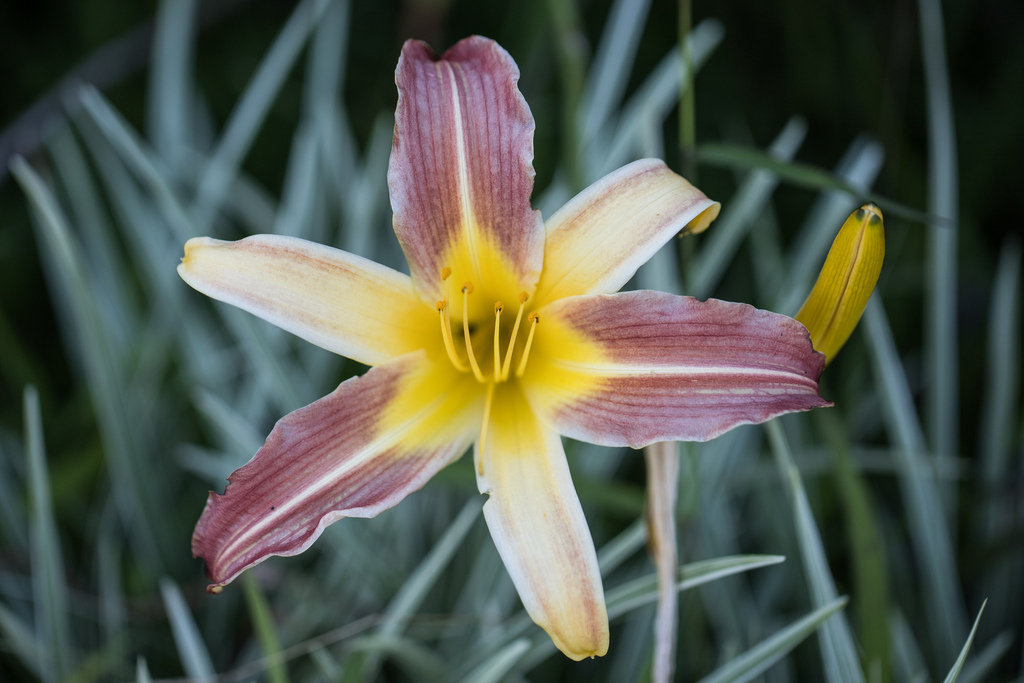
Daylilies are tough, reliable perennials that produce vibrant blooms on tall scapes. Each individual flower lasts only a single day, but plants produce many buds for a long display. They are excellent for borders and mass plantings.
At a glance
- Care level
- Easy
- Plant type
- Herbaceous perennial
- Light
- Full sun to partial shade
- Indoor light
- Bright indirect
- Water
- Every 5 to 10 days
- Mature size
- 60 to 120 cm
- Growth rate
- Medium
- Hardiness
- USDA 3 to 9
- Bloom time
- Early to late summer
Care
Plant in a sunny spot with well draining soil to encourage the best flowering. Remove spent flower stalks after blooming to keep the plant tidy. Watch for aphids or thrips during the spring growth flush.
- Watering
- Keep soil consistently moist but not waterlogged during the active growing season.
- Feeding
- Apply a balanced fertilizer once in early spring as new growth emerges.
- Pruning
- Cut back dead foliage to the ground in late autumn or early spring.
- Repotting
- Divide clumps every few years to maintain vigor and prevent overcrowding.
- Soil
- Loamy, well draining soil
- Soil pH
- 6.0 to 7.5
- Temperature
- -30 to 35°C
- Humidity
- 30 to 70%
- Drought tolerance
- Moderate
- Lifespan
- Perennial, typically 10 to 20 years
- Fragrance
- Light
- Deer and rabbits
- Low
Signs it needs repotting
- Roots growing out of the drainage holes
- Water sitting on the soil surface for too long
- Reduced flowering over several seasons
Safety
- People
- The plant is generally considered mildly toxic to pets if ingested, though human toxicity is low.
- Pets
- Daylilies are highly toxic to cats and can cause kidney failure if ingested.
- Children
- The plant is not considered dangerous, but the long, strap like leaves can be a minor choking hazard if chewed.
- Contact allergens
- Handling the foliage can cause mild skin irritation in sensitive individuals.
- Airborne allergens
- The pollen is generally not considered a major airborne allergen.
- Edibility
- While some species are eaten in Asian cuisine, many daylilies can cause stomach upset and are not recommended for casual consumption.
How to identify it
- Arching, grass like foliage clumps
- Tall, leafless flower stalks
- Funnel shaped, six petaled flowers
- Fleshy, tuberous root systems
- Height
- 0.3 to 1.2m
- Spread
- 0.3 to 0.9m
- Leaves
- green, deciduous
- Flowers
- yellow, orange, red, pink, purple, white, 5 to 15cm
Problems to watch for
- AphidsCommon
- RustCommon
- Leaf ScorchUncommon
- Slugs and SnailsUncommon
- ThripsUncommon
- Root RotRare
By symptom
Check your daylily from a photo
Pocket Botanist looks at a photo of your plant and tells you what's wrong and what to try first.
Growing it
- Propagation
- division, seed
- When to plant
- spring, autumn
- Overwintering
- Cut back the foliage to the ground after the first hard frost. A light layer of mulch can help protect the crown in colder climates.
- In containers
- They grow well in large pots, provided the container has excellent drainage and is at least 30 cm deep.
Division
- 1. Dig up the entire clump in spring or autumn.
- 2. Use a sharp spade or garden fork to separate the root mass into smaller sections.
- 3. Ensure each section has a healthy portion of roots and foliage.
- 4. Replant the divisions at the same depth they were previously growing.
- 5. Water thoroughly to help the roots establish.
Plant daylilies with taller perennials to provide a lush, layered look in your garden beds.
Grows well with
- Coneflower — They share similar sun and water requirements while providing a nice contrast in flower shape.
- Russian Sage — The airy blue flowers of sage complement the bold, trumpet shaped blooms of the daylily.
Similar species
- True Lily — Often confused due to the name, but true lilies grow from bulbs rather than fleshy roots.
Science
- Family
- Asphodelaceae
- Genus
- Hemerocallis
- Order
- Asparagales
- Class
- Liliopsida
- Native range
- Temperate regions of Asia.
- Conservation
- Not of conservation concern.
They thrive in open meadows and forest edges where they use their thick, fleshy roots to store water during dry spells.
- Value to wildlife
- nectar source
- Pollinators
- bees, butterflies, hummingbirds
- Uses
- border plant, erosion control, mass planting, cut flowers
Through the year
Ecological indicators
- Salinity
- 2/9
- Light
- 7/9
- Moisture
- 5/9
- Temperature
- 5/9
- Nutrients
- 5/9
- Soil reaction
- 5/9
Taxonomy resolved against GBIF.
Questions people ask
- Do daylilies need deadheading?
- Yes, removing spent flowers keeps the plant tidy and encourages more blooms.
- How often should I divide them?
- Divide them every 3 to 5 years when flowering begins to decline.
Where the name comes from
The name Hemerocallis is derived from the Greek words hemera meaning day and kallos meaning beauty. This refers to the short lifespan of the individual blooms.
Good to know
- Daylilies are not true lilies, as they belong to a different botanical family.
- There are over 60,000 registered cultivars of daylilies.
- They are incredibly resilient and can survive in poor soil conditions.
- The genus name comes from Greek words meaning beauty and day.
Also in
Keep your daylily growing
This page is a general guide. Save your plant in Pocket Botanist and you get care reminders timed for this plant, plus a care history that shows what worked.
This guide was generated with AI and checked against GBIF taxonomy. It is general information, not horticultural or veterinary advice. Read about how we build these guides.