 Pocket Botanist
Guía de plantas
Lirio de día.
Hemerocallis
Pronunciación hem-er-oh-KAL-iss
También se conoce como Lirios de un día, Lirio de un día, Lirio de un día, lirios de un día, Lirios de un día


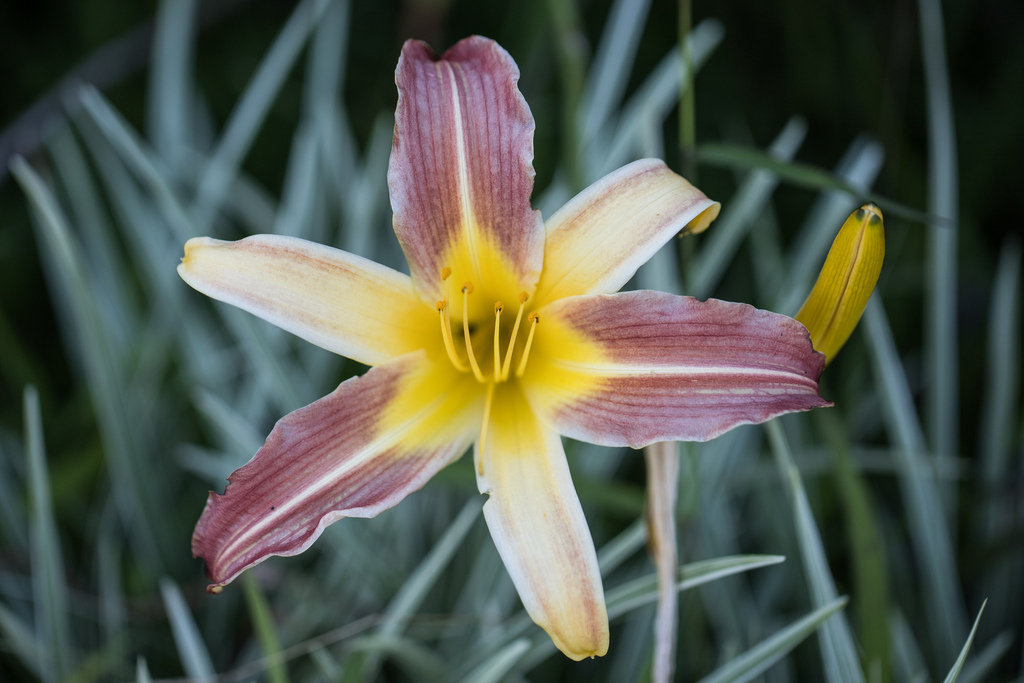
Los lirios de día son plantas perennes resistentes y fiables que producen flores vibrantes en altos tallos. Cada flor individual dura solo un día, pero las plantas producen muchos capullos para una exhibición prolongada. Son excelentes para borduras y plantaciones masivas.
De un vistazo
- Nivel de cuidados
- Fácil
- Tipo de planta
- Planta perenne herbácea
- Luz
- Pleno sol a sombra parcial
- Luz en interior
- Luz indirecta brillante
- Riego
- Cada 7 a 10 días
- Tamaño adulto
- 60 a 120 cm
- Ritmo de crecimiento
- Medio
- Rusticidad
- USDA 3 a 9
- Floración
- Desde principios hasta finales del verano
Cuidados
Plante en un lugar soleado con tierra bien drenada para fomentar la mejor floración. Retire los tallos de flores marchitas después de la floración para mantener la planta ordenada. Esté atento a pulgones o trips durante el brote de crecimiento primaveral.
- Riego
- Mantenga la tierra constantemente húmeda pero no encharcada durante la temporada de crecimiento activo.
- Abonado
- Aplique un fertilizante equilibrado una vez a principios de primavera, a medida que emergen los nuevos brotes.
- Poda
- Recorte el follaje muerto hasta el suelo a finales de otoño o principios de primavera.
- Trasplante
- Divida las matas cada pocos años para mantener la vitalidad y evitar el hacinamiento.
- Suelo
- Tierra franca y bien drenada
- pH del suelo
- 6.0 a 7.5
- Temperatura
- -30 a 35°C
- Humedad
- 30 a 70%
- Tolerancia a la sequía
- Moderada
- Longevidad
- Perenne, típicamente de 10 a 20 años
- Fragancia
- Suave
- Resistencia a ciervos y conejos
- Baja
Señales de que necesita trasplante
- Raíces que crecen fuera de los agujeros de drenaje
- El agua permanece demasiado tiempo en la superficie del suelo
- Floración reducida durante varias temporadas
Seguridad
- Personas
- La planta generalmente se considera ligeramente tóxica para las mascotas si se ingiere, aunque la toxicidad para los humanos es baja.
- Mascotas
- Los lirios de día son muy tóxicos para los gatos y pueden causar insuficiencia renal si se ingieren.
- Niños
- La planta no se considera peligrosa, pero las hojas largas y parecidas a correas pueden ser un peligro menor de asfixia si se mastican.
- Alérgenos por contacto
- Manipular el follaje puede causar una leve irritación de la piel en personas sensibles.
- Alérgenos en el aire
- El polen generalmente no se considera un alérgeno aéreo importante.
- Comestibilidad
- Aunque algunas especies se consumen en la cocina asiática, muchas hemerocallis pueden causar malestar estomacal y no se recomiendan para un consumo casual.
Cómo identificarla
- Mata de follaje arqueado, similar a la hierba
- Tallos de flores altos y sin hojas
- Flores en forma de embudo con seis pétalos
- Sistemas de raíces carnosos y tuberosos
- Altura
- 0,3 a 1,2m
- Anchura
- 0,3 a 0,9m
- Hojas
- verde, caduco
- Flores
- amarillo, naranja, rojo, rosa, morado, blanco, 5 a 15cm
Problemas a vigilar
- PulgonesComún
- RoyaComún
- Babosas y caracolesPoco común
- Quemadura foliarPoco común
- TripsPoco común
- Podredumbre radicularRara
- Roya de la hemerocallis — Una infección fúngica que causa pústulas anaranjadas en las hojas.
Por síntoma
Revisa tu lirio de día con una foto
Pocket Botanist mira una foto de tu planta y te dice qué le pasa y qué probar primero.
Cómo cultivarla
- Propagación
- división, semilla
- Cuándo plantar
- primavera, otoño
- Cuidados en invierno
- Recorta el follaje hasta el suelo después de la primera helada fuerte. Una fina capa de mantillo puede ayudar a proteger la corona en climas más fríos.
- En maceta
- Crecen bien en macetas grandes, siempre que el recipiente tenga un excelente drenaje y tenga al menos 30 cm de profundidad.
División
- 1. Desentierra todo el cepellón en primavera u otoño.
- 2. Usa una pala afilada o un horcón de jardín para separar la masa de raíces en secciones más pequeñas.
- 3. Asegúrate de que cada sección tenga una porción saludable de raíces y follaje.
- 4. replanta las divisiones a la misma profundidad a la que crecían anteriormente.
- 5. Riega abundantemente para ayudar a que las raíces se establezcan.
Planta hemerocallis con plantas perennes más altas para dar un aspecto exuberante y en capas a tus parterres.
Buenas compañeras
- Equinácea morada — Comparten requisitos similares de sol y agua, a la vez que proporcionan un bonito contraste en la forma de la flor.
- Perovskia atriplicifolia — Las etéreas flores azules de la salvia complementan las audaces flores en forma de trompeta de la hemerocallis.
Especies parecidas
- Lirio — A menudo se confunden debido al nombre, pero los lirios verdaderos crecen de bulbos en lugar de raíces carnosas.
Ciencia
- Familia
- Asphodelaceae
- Género
- Hemerocallis
- Orden
- Asparagales
- Clase
- Liliopsida
- Distribución natural
- Regiones templadas de Asia.
- Conservación
- No es de preocupación para la conservación.
Prosperan en prados abiertos y bordes de bosques donde usan sus raíces gruesas y carnosas para almacenar agua durante las sequías.
- Valor para la fauna
- fuente de néctar
- Polinizadores
- abejas, mariposas, colibríes
- Usos
- planta de borde, control de la erosión, plantación en masa, flores de corte
A lo largo del año
Indicadores ecológicos
- Salinidad
- 2/9
- Luz
- 7/9
- Humedad
- 5/9
- Temperatura
- 5/9
- Nutrientes
- 5/9
- Reacción del suelo
- 5/9
Taxonomía cotejada con GBIF.
Lo que más preguntan
- ¿Necesitan las hemerocallis que se les quiten las flores marchitas?
- Sí, quitar las flores marchitas mantiene la planta ordenada y fomenta más floraciones.
- ¿Con qué frecuencia debo dividirlas?
- Divídelas cada 3 a 5 años cuando la floración empiece a disminuir.
De dónde viene el nombre
El nombre Hemerocallis deriva de las palabras griegas hemera, que significa día, y kallos, que significa belleza. Esto se refiere a la corta vida de las flores individuales.
Bueno saberlo
- Las hemerocallis no son lirios verdaderos, ya que pertenecen a una familia botánica diferente.
- Existen más de 60.000 cultivares registrados de hemerocallis.
- Son increíblemente resistentes y pueden sobrevivir en condiciones de suelo pobres.
- El nombre del género proviene de palabras griegas que significan belleza y día.
También en
Que tu lirio de día siga creciendo
Esta página es una guía general. Guarda tu planta en Pocket Botanist y tendrás recordatorios de cuidado pensados para esta planta, además de un historial de cuidados que muestra qué ha funcionado.
Esta guía se ha generado con IA y se ha cotejado con la taxonomía de GBIF. Es información general, no asesoramiento botánico ni veterinario. Descubre cómo elaboramos estas guías.