 Pocket Botanist
Plant guide
American elm.
Ulmus americana
Pronounced UL-mus uh-MER-ih-kuh-nuh
Also known as American Elm, Water Elm, White Elm



Scan with your phone's camera to get the app
Or go to pocketbotanist.app/get on your phone
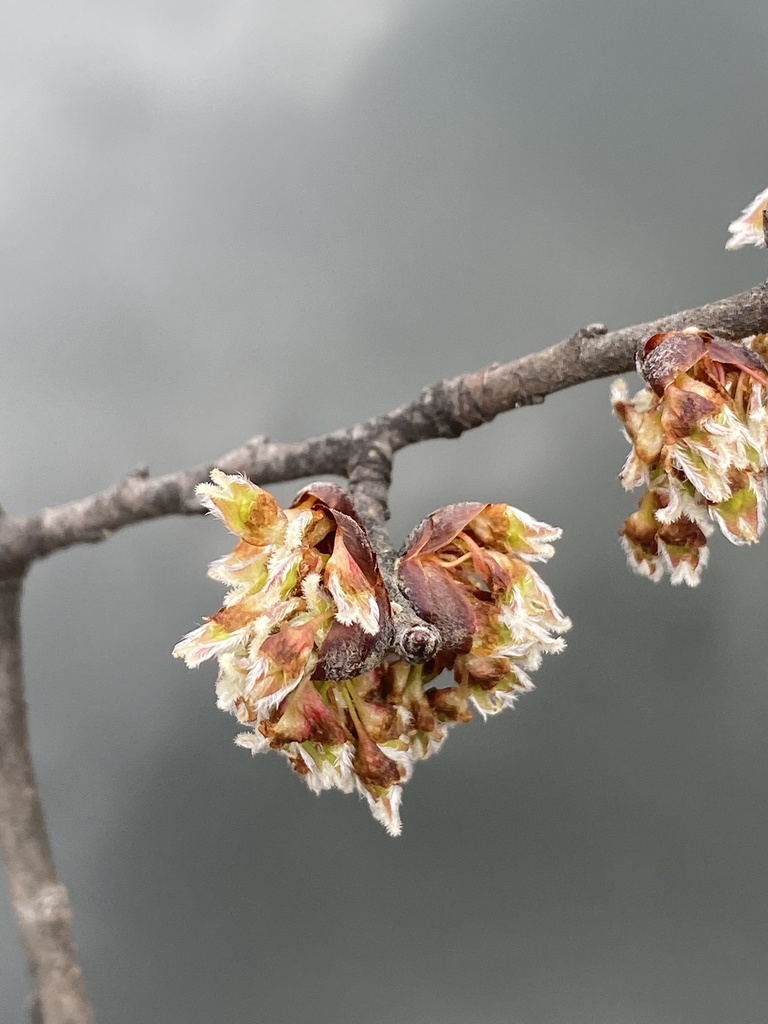
The American elm is a majestic deciduous tree known for its iconic vase shaped canopy. It is a classic choice for landscapes that have plenty of room to grow. You will love how its arching branches create a beautiful natural cathedral effect.
At a glance
- Care level
- Moderate
- Plant type
- Deciduous tree
- Light
- Full sun
- Indoor light
- Direct sun
- Water
- Every 7 to 14 days
- Mature size
- 60 to 80 feet
- Growth rate
- Fast
- Hardiness
- USDA 2 to 9
- Bloom time
- Early spring
Care
Plant this tree in a spot with deep, fertile soil and plenty of space for its wide root system. Watch for signs of Dutch elm disease like wilting or yellowing leaves during the summer. Keep the area around the base clear of debris to help keep the tree healthy.
- Watering
- Young trees need consistent moisture until they are well established in the landscape.
- Feeding
- Apply a balanced tree fertilizer in early spring before new growth begins.
- Pruning
- Prune during the dormant winter season to remove dead or crossing branches.
- Repotting
- This tree is meant for outdoor planting and is not suitable for containers.
- Soil
- Moist, well drained, fertile loam
- Soil pH
- 6.0 to 8.0
- Temperature
- -40 to 35°C
- Humidity
- 40 to 80%
- Drought tolerance
- Moderate
- Lifespan
- Perennial, typically 100 to 200 years.
- Deer and rabbits
- Moderate
Safety
- People
- The plant is not considered toxic to humans.
- Children
- There are no specific safety concerns for children, though the large size of the tree means falling branches can be a hazard.
- Contact allergens
- The rough texture of the leaves can cause minor skin irritation in sensitive individuals.
- Airborne allergens
- The wind-dispersed pollen is a significant seasonal allergen for many people.
- Edibility
- The seeds are edible but generally not consumed by humans due to their small size and papery texture.
How to identify it
- Vase shaped canopy structure
- Rough, serrated dark green leaves
- Asymmetrical leaf bases
- Deeply furrowed gray bark
- Small winged seeds called samaras
- Height
- 18 to 30m
- Spread
- 12 to 20m
- Leaves
- green, yellow, deciduous
- Flowers
- green, brown, 0.5 to 1cm
- Fruit
- green, tan, Late spring
Problems to watch for
- Dutch elm disease · A fungal infection spread by bark beetles that causes wilting and death.
Check your american elm from a photo
Pocket Botanist looks at a photo of your plant and tells you what's wrong and what to try first.
Scan with your phone's camera to get the app
Or go to pocketbotanist.app/get on your phone
Growing it
- Propagation
- seed, cuttings
- When to plant
- spring, fall
- Overwintering
- No special winter care is needed as it is fully hardy in its native range.
- In containers
- Not suitable for long-term container growth due to its massive root system.
Seed
- 1. Collect seeds in late spring when they turn tan.
- 2. Sow immediately in moist soil.
- 3. Keep soil consistently damp until germination.
Plant shade-tolerant woodland species beneath the tree to mimic its natural forest floor environment.
Grows well with
- Wild Ginger · It thrives in the moist, shaded conditions beneath the elm canopy.
- Virginia Bluebells · These spring ephemerals bloom before the elm leaves fully shade the ground.
Similar species
- Slippery Elm · It has similar growth habits but features larger, rougher leaves.
Science
- Family
- Ulmaceae
- Genus
- Ulmus
- Order
- Rosales
- Class
- Magnoliopsida
- Native range
- Eastern and central North America.
- Conservation
- While widespread, it is threatened by Dutch elm disease in many parts of its range.
It naturally thrives in moist, fertile soils along riverbanks and floodplains.
- Value to wildlife
- larval host plant, nesting site for birds
- Pollinators
- bees, butterflies
- Uses
- shade tree, ornamental, urban forestry
Through the year
Ecological indicators
- Salinity
- 2/9
- Soil reaction
- 6/9
- Light
- 7/9
- Temperature
- 5/9
- Moisture
- 7/9
- Nutrients
- 6/9
Taxonomy resolved against GBIF.
Questions people ask
- How fast do they grow?
- They grow at a moderate to fast rate, often adding 2 to 4 feet per year.
- Can I plant this in a small yard?
- No, they require significant space to accommodate their massive mature size.
Where the name comes from
The genus name Ulmus is the classical Latin name for the elm tree, while the species name americana denotes its native continent.
Good to know
- It is the state tree of Massachusetts.
- The wood was historically used for making hockey sticks and wheel hubs.
- Elms can live for over 200 years in ideal conditions.
Keep your american elm growing
This page is a general guide. Save your plant in Pocket Botanist and you get care reminders timed for this plant, plus a care history that shows what worked.
Scan with your phone's camera to get the app
Or go to pocketbotanist.app/get on your phone
This guide was generated with AI on and checked against GBIF taxonomy. It is general information, not horticultural or veterinary advice. Read about how we build these guides.