 Pocket Botanist
Plant guide
Water caltrop.
Trapa natans
Pronounced TRAY-pah NAY-tanz
Also known as Common water-chestnut, Water nut, European water chestnut, European water-chestnut, Jesuit's-nut, Water Caltrop, Water Nut, Water chestnut


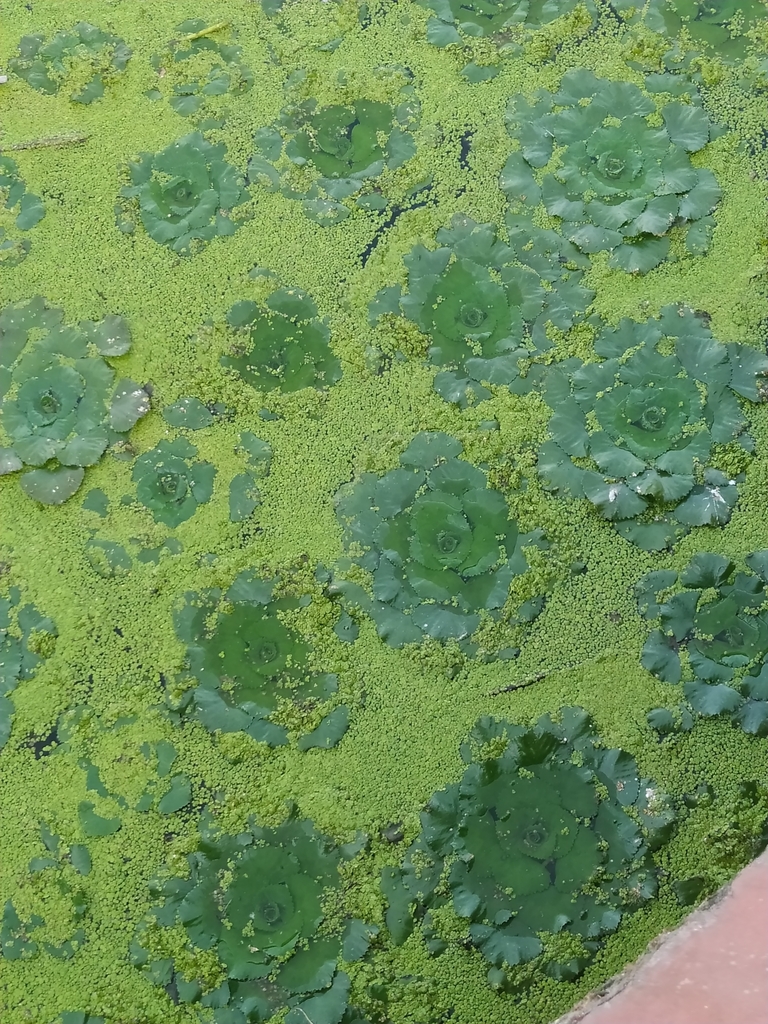
The water caltrop is a fascinating aquatic plant that floats on the surface of still or slow moving water. It produces unique, spiny fruits that sink to the bottom to sprout the following season. You will find it creates a lovely green carpet across ponds and lakes.

At a glance
- Care level
- Moderate
- Plant type
- Aquatic annual
- Light
- Full sun
- Indoor light
- Direct sun
- Water
- Every 0 days
- Mature size
- 2 to 3 feet wide
- Growth rate
- Fast
- Hardiness
- USDA 6 to 10
- Bloom time
- Mid to late summer
Care
Keep this plant in a sunny, calm body of water with plenty of nutrient rich mud at the base. Watch for rapid spread, as it can quickly overtake small water features if left unchecked. Ensure the water remains still, as moving water can hinder its growth.
- Watering
- This is an aquatic plant that must remain submerged in water at all times.
- Feeding
- Use aquatic plant fertilizer tablets pressed into the mud near the roots during the growing season.
- Pruning
- Remove excess rosettes regularly to prevent the plant from covering the entire surface of your pond.
- Repotting
- Fresh seeds or young plants should be placed in new mud at the start of each spring season.
- Soil
- Rich organic mud
- Soil pH
- 6.0 to 8.0
- Temperature
- 10 to 30°C
- Humidity
- 70 to 100%
Safety
- People
- Raw seeds contain tannins and potential toxins that require careful preparation.
- Children
- Keep children away from the water where this grows, as the sharp, spiny fruits are a significant puncture hazard.
- Contact allergens
- The sharp spines on the fruit can cause painful physical injury and skin irritation.
- Airborne allergens
- There are no notable airborne allergens associated with this plant.
- Edibility
- The seeds must be thoroughly cooked before consumption to neutralize potential toxins.
How to identify it
- Floating rosettes of diamond shaped leaves
- Serrated leaf margins
- Inflated spongy leaf stalks
- Four pronged woody nut fruits
- Small white four petaled flowers
- Height
- 0m
- Spread
- 0.6 to 1.5m
- Leaves
- green, bronze, deciduous
- Flowers
- white, 1 to 2cm
- Fruit
- black, brown, Autumn
Common problems
- Invasive spread — The plant can rapidly choke out native aquatic vegetation and block waterways.
Growing it
- Propagation
- seed
- When to plant
- Spring
This plant is highly competitive and usually dominates its space, so it is best kept in isolated containers.
Grows well with
- Water Lily — They share similar aquatic habitat requirements.
Similar species
- Water Chestnut — Often confused due to the common name, though they are entirely different plants.
Science
- Family
- Lythraceae
- Genus
- Trapa
- Order
- Myrtales
- Class
- Magnoliopsida
- Native range
- Eurasia and Africa
- Conservation
- It is considered an invasive species in many regions outside its native range and should not be introduced to new water bodies.
It thrives in stagnant or slow moving freshwater, forming dense mats that shade out other aquatic life.
- Value to wildlife
- provides cover for aquatic life
- Pollinators
- bees, beetles
- Uses
- ornamental pond plant, culinary starch source
Through the year
Ecological indicators
- Salinity
- 1/9
- Soil reaction
- 6/9
- Light
- 8/9
- Temperature
- 7/9
- Moisture
- 9/9
- Nutrients
- 6/9
Taxonomy resolved against GBIF.
Questions people ask
- Is it safe to grow in a garden pond?
- It is generally discouraged due to its aggressive growth and the danger posed by its sharp, spiny fruits.
- How do I control it?
- Physical removal of the plants before they set seed is the most effective method.
Where the name comes from
The genus name Trapa is derived from the Latin word for a caltrop, a spiked military weapon that matches the fruit shape. The species name natans means floating.
Good to know
- The seeds are often called water caltrops or devil pods.
- It is an annual plant that grows floating on the water surface.
- The seeds are rich in starch and have been used as a food source for centuries.
Is your water caltrop looking unwell?
This page is a general guide. Pocket Botanist diagnoses problems from a photo of your actual plant, works out watering for your light and conditions, and reminds you when care is due.
This guide was generated with AI and checked against GBIF taxonomy. It is general information, not horticultural or veterinary advice. Read about how we build these guides.