 Pocket Botanist
Guide botanique
Water caltrop.
Trapa natans
Prononciation TRAY-pah NAY-tanz
Aussi appelée Common water-chestnut, Water nut, European water chestnut, European water-chestnut, Jesuit's-nut, Water Caltrop, Water Nut, Water chestnut


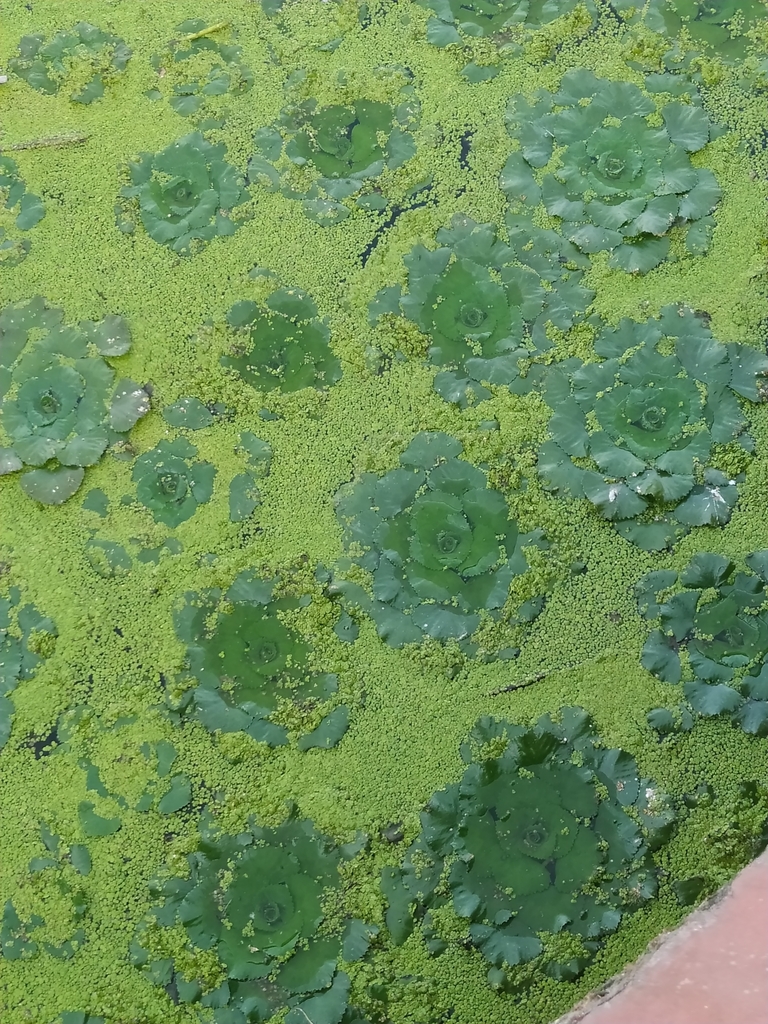
The water caltrop is a fascinating aquatic plant that floats on the surface of still or slow moving water. It produces unique, spiny fruits that sink to the bottom to sprout the following season. You will find it creates a lovely green carpet across ponds and lakes.

En un coup d'œil
- Niveau d'entretien
- Moyenne
- Type de plante
- Aquatic annual
- Lumière
- Full sun
- Lumière en intérieur
- Soleil direct
- Arrosage
- Tous les 0 jours
- Taille adulte
- 2 to 3 feet wide
- Croissance
- Rapide
- Rusticité
- USDA 6 à 10
- Floraison
- Mid to late summer
Entretien
Keep this plant in a sunny, calm body of water with plenty of nutrient rich mud at the base. Watch for rapid spread, as it can quickly overtake small water features if left unchecked. Ensure the water remains still, as moving water can hinder its growth.
- Arrosage
- This is an aquatic plant that must remain submerged in water at all times.
- Engrais
- Use aquatic plant fertilizer tablets pressed into the mud near the roots during the growing season.
- Taille
- Remove excess rosettes regularly to prevent the plant from covering the entire surface of your pond.
- Rempotage
- Fresh seeds or young plants should be placed in new mud at the start of each spring season.
- Sol
- Rich organic mud
- pH du sol
- 6.0 to 8.0
- Température
- 10 à 30°C
- Humidité
- 70 à 100%
Sécurité
- Humains
- Raw seeds contain tannins and potential toxins that require careful preparation.
- Enfants
- Keep children away from the water where this grows, as the sharp, spiny fruits are a significant puncture hazard.
- Allergènes de contact
- The sharp spines on the fruit can cause painful physical injury and skin irritation.
- Allergènes aéroportés
- There are no notable airborne allergens associated with this plant.
- Comestibilité
- The seeds must be thoroughly cooked before consumption to neutralize potential toxins.
Comment l'identifier
- Floating rosettes of diamond shaped leaves
- Serrated leaf margins
- Inflated spongy leaf stalks
- Four pronged woody nut fruits
- Small white four petaled flowers
- Hauteur
- 0m
- Envergure
- 0,6 à 1,5m
- Feuilles
- green, bronze, deciduous
- Fleurs
- white, 1 à 2cm
- Fruits
- black, brown, Autumn
Problèmes courants
- Invasive spread — The plant can rapidly choke out native aquatic vegetation and block waterways.
La cultiver
- Multiplication
- seed
- Quand planter
- Spring
This plant is highly competitive and usually dominates its space, so it is best kept in isolated containers.
Bonnes associations
- Nymphaea — They share similar aquatic habitat requirements.
Espèces similaires
- Eleocharis dulcis — Often confused due to the common name, though they are entirely different plants.
Science
- Famille
- Lythraceae
- Genre
- Trapa
- Ordre
- Myrtales
- Classe
- Magnoliopsida
- Région d'origine
- Eurasia and Africa
- Préservation
- It is considered an invasive species in many regions outside its native range and should not be introduced to new water bodies.
It thrives in stagnant or slow moving freshwater, forming dense mats that shade out other aquatic life.
- Intérêt pour la faune
- provides cover for aquatic life
- Pollinisateurs
- abeilles, coléoptères
- Utilisations
- ornamental pond plant, culinary starch source
Au fil des saisons
Repères écologiques
- Salinité
- 1/9
- Réaction du sol
- 6/9
- Lumière
- 8/9
- Température
- 7/9
- Humidité
- 9/9
- Nutriments
- 6/9
Taxonomie vérifiée avec le GBIF.
Ce qu'on demande souvent
- Is it safe to grow in a garden pond?
- It is generally discouraged due to its aggressive growth and the danger posed by its sharp, spiny fruits.
- How do I control it?
- Physical removal of the plants before they set seed is the most effective method.
D'où vient le nom
The genus name Trapa is derived from the Latin word for a caltrop, a spiked military weapon that matches the fruit shape. The species name natans means floating.
Bon à savoir
- The seeds are often called water caltrops or devil pods.
- It is an annual plant that grows floating on the water surface.
- The seeds are rich in starch and have been used as a food source for centuries.
Ta plante a mauvaise mine ?
Cette page est un guide général. Pocket Botanist diagnostique les problèmes directement à partir d'une photo de ta plante, adapte l'arrosage à sa luminosité et te prévient quand il faut t'en occuper.
Ce guide a été généré par IA et vérifié avec la taxonomie du GBIF. Il s'agit d'informations générales, et non de conseils horticoles ou vétérinaires. Découvre comment nous concevons ces guides.