 Pocket Botanist
Pflanzenratgeber
Water caltrop.
Trapa natans
Aussprache TRAY-pah NAY-tanz
Auch bekannt als Common water-chestnut, Water nut, European water chestnut, European water-chestnut, Jesuit's-nut, Water Caltrop, Water Nut, Water chestnut


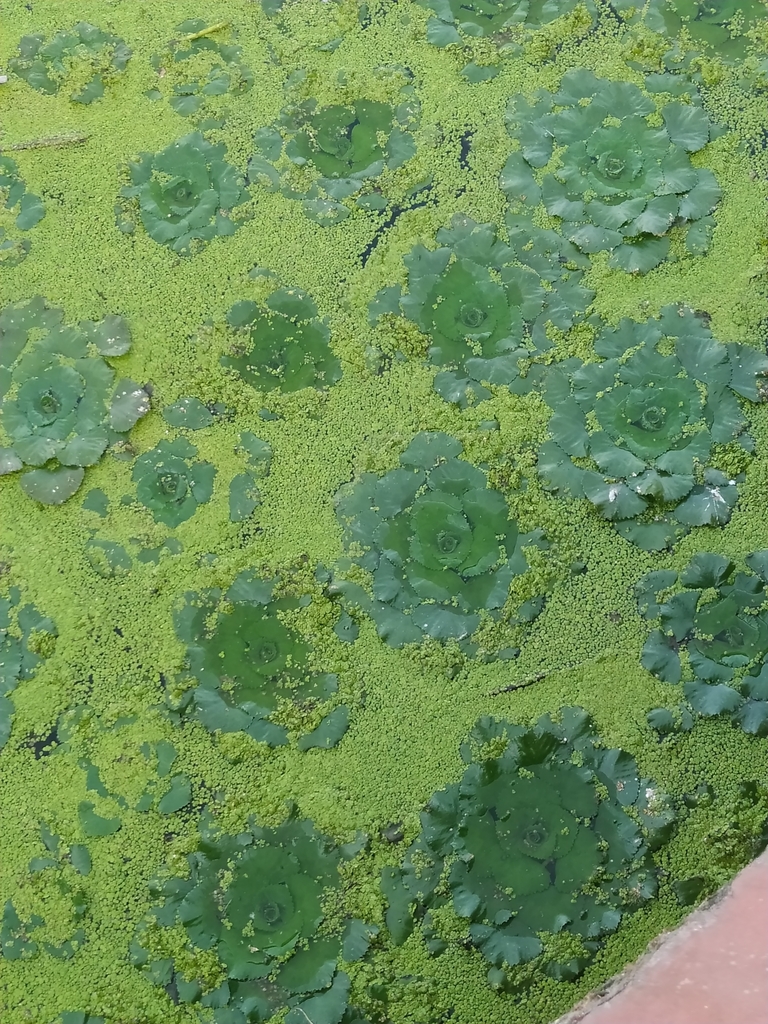
The water caltrop is a fascinating aquatic plant that floats on the surface of still or slow moving water. It produces unique, spiny fruits that sink to the bottom to sprout the following season. You will find it creates a lovely green carpet across ponds and lakes.

Auf einen Blick
- Pflegestufe
- Mittel
- Pflanzenart
- Aquatic annual
- Licht
- Full sun
- Licht im Innenraum
- Direkte Sonne
- Gießen
- Alle 0 Tage
- Endgröße
- 2 to 3 feet wide
- Wachstum
- Schnell
- Winterhärte
- USDA 6 bis 10
- Blütezeit
- Mid to late summer
Pflege
Keep this plant in a sunny, calm body of water with plenty of nutrient rich mud at the base. Watch for rapid spread, as it can quickly overtake small water features if left unchecked. Ensure the water remains still, as moving water can hinder its growth.
- Gießen
- This is an aquatic plant that must remain submerged in water at all times.
- Düngen
- Use aquatic plant fertilizer tablets pressed into the mud near the roots during the growing season.
- Schneiden
- Remove excess rosettes regularly to prevent the plant from covering the entire surface of your pond.
- Umtopfen
- Fresh seeds or young plants should be placed in new mud at the start of each spring season.
- Boden
- Rich organic mud
- Boden-pH
- 6.0 to 8.0
- Temperatur
- 10 bis 30°C
- Luftfeuchtigkeit
- 70 bis 100%
Sicherheit
- Menschen
- Raw seeds contain tannins and potential toxins that require careful preparation.
- Kinder
- Keep children away from the water where this grows, as the sharp, spiny fruits are a significant puncture hazard.
- Kontaktallergene
- The sharp spines on the fruit can cause painful physical injury and skin irritation.
- Allergene in der Luft
- There are no notable airborne allergens associated with this plant.
- Essbarkeit
- The seeds must be thoroughly cooked before consumption to neutralize potential toxins.
So erkennst du die Pflanze
- Floating rosettes of diamond shaped leaves
- Serrated leaf margins
- Inflated spongy leaf stalks
- Four pronged woody nut fruits
- Small white four petaled flowers
- Höhe
- 0m
- Breite
- 0,6 bis 1,5m
- Blätter
- green, bronze, deciduous
- Blüten
- white, 1 bis 2cm
- Früchte
- black, brown, Autumn
Häufige Probleme
- Invasive spread — The plant can rapidly choke out native aquatic vegetation and block waterways.
Standort und Pflege
- Vermehrung
- seed
- Pflanzzeit
- Spring
This plant is highly competitive and usually dominates its space, so it is best kept in isolated containers.
Gute Pflanzpartner
- Nymphaea — They share similar aquatic habitat requirements.
Ähnliche Arten
- Eleocharis dulcis — Often confused due to the common name, though they are entirely different plants.
Botanisches
- Familie
- Lythraceae
- Gattung
- Trapa
- Ordnung
- Myrtales
- Klasse
- Magnoliopsida
- Ursprüngliche Heimat
- Eurasia and Africa
- Artenschutz
- It is considered an invasive species in many regions outside its native range and should not be introduced to new water bodies.
It thrives in stagnant or slow moving freshwater, forming dense mats that shade out other aquatic life.
- Nutzen für Wildtiere
- provides cover for aquatic life
- Bestäuber
- Bienen, Käfer
- Verwendung
- ornamental pond plant, culinary starch source
Im Jahresverlauf
Ökologische Zeigerwerte
- Salzgehalt
- 1/9
- Bodenreaktion
- 6/9
- Licht
- 8/9
- Temperatur
- 7/9
- Feuchtigkeit
- 9/9
- Nährstoffe
- 6/9
Taxonomie abgeglichen mit GBIF.
Häufige Fragen
- Is it safe to grow in a garden pond?
- It is generally discouraged due to its aggressive growth and the danger posed by its sharp, spiny fruits.
- How do I control it?
- Physical removal of the plants before they set seed is the most effective method.
Woher der Name kommt
The genus name Trapa is derived from the Latin word for a caltrop, a spiked military weapon that matches the fruit shape. The species name natans means floating.
Gut zu wissen
- The seeds are often called water caltrops or devil pods.
- It is an annual plant that grows floating on the water surface.
- The seeds are rich in starch and have been used as a food source for centuries.
Probleme mit Water caltrop?
Diese Seite bietet allgemeine Infos. Pocket Botanist erkennt Probleme anhand eines Fotos deiner echten Pflanze, passt das Gießen an dein Licht und deinen Standort an und erinnert dich an die Pflege.
Dieser Ratgeber wurde mit KI erstellt und mit der GBIF-Taxonomie abgeglichen. Er dient zur allgemeinen Information und ersetzt keine gärtnerische oder tierärztliche Beratung. Hier erfährst du, wie wir diese Ratgeber erstellen.