 Pocket Botanist

Check these first
- Inspect the new growth for tiny clusters of bugs.
- Look for sticky residue on the leaves.
- Check the undersides of the leaves for hiding pests.
Likely causes
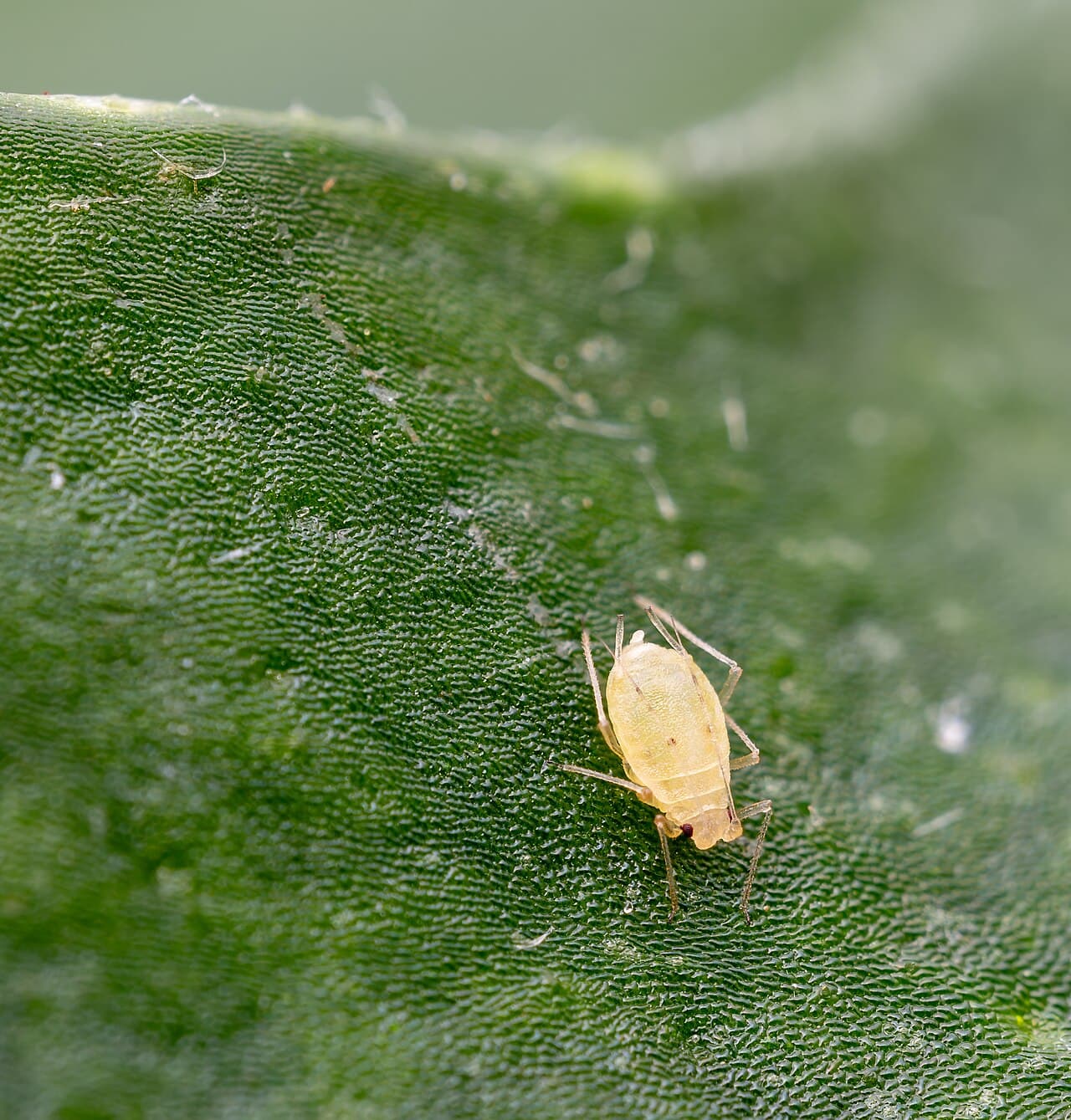
Aphid infestation
Most likelyHow to tell: You see tiny green or black insects clustering on new growth and sticky residue on the leaves.
What to do: Wipe the leaves with a damp cloth or wash the plant gently with a mild soap and water solution. Repeat this every 5 days until the pests are gone.
Low humidity
PossibleHow to tell: The plant is stressed, making it more susceptible to pest attacks.
What to do: Keep the plant away from dry heat sources like vents. You can mist the leaves occasionally to keep the environment comfortable.
Find out what's wrong with your small-leaf spiderwort
The list above covers the usual causes. Pocket Botanist looks at a photo of your actual plant and tells you the likely cause, how serious it is, and what to try first. Identification and a health check are free.



Scan with your phone's camera to get the app
Or go to pocketbotanist.app/get on your phone
When to worry
If the infestation is heavy and the leaves are curling or dying, it is serious. Treat it quickly to prevent the pests from spreading to other plants.
Stopping it coming back
Check your plant regularly for pests and keep it clean by wiping the leaves occasionally.
Small-leaf spiderwort: pests? Check yours with a photo
Every plant is a little different. Take a photo of your small-leaf spiderwort and Pocket Botanist tells you which cause is most likely, how serious it is, and what to try first. A few checks a day are free. Save the plant and you get care reminders timed for it.
Scan with your phone's camera to get the app
Or go to pocketbotanist.app/get on your phone
Get the app · Or check it from a photo now, free
Questions people ask
- Where did the aphids come from?
- They can hitch a ride on new plants or enter through open windows. They reproduce quickly, so finding them early is key.
- Are aphids harmful to my plant?
- Yes, they suck the sap from the plant, which weakens it and can cause stunted or distorted growth.
Guides to these causes
More problems with Small-leaf spiderwort
- Why is my Small-leaf spiderwort looking so leggy?
- Why is my Small-leaf spiderwort showing signs of root rot?
- Why are my Tradescantia fluminensis leaves turning yellow?
- Why is my Tradescantia fluminensis drooping?
- Why are my Tradescantia fluminensis tips turning brown?
- Why is my Tradescantia fluminensis dropping leaves?
- Why does my Tradescantia fluminensis have spots?
- Why are my Tradescantia fluminensis leaves curling?
Back to the Small-leaf spiderwort guide
This article was generated with AI on from the plant’s care profile and is general information, not horticultural advice. Read about how we build these guides.