 Pocket Botanist

Check these first
- Inspect the undersides of leaves for eggs.
- Look for striped beetles on the stems.
- Check for sticky residue on the foliage.
Likely causes
Colorado potato beetle
Most likelyHow to tell: You will see yellow and black striped beetles or their orange larvae eating holes in the foliage. They often leave behind dark droppings on the leaf surface.
What to do: Pick the beetles and larvae off by hand early in the morning and drop them into a bucket of soapy water. For heavy infestations, apply neem oil or spinosad spray to the leaves every 7 to 10 days.
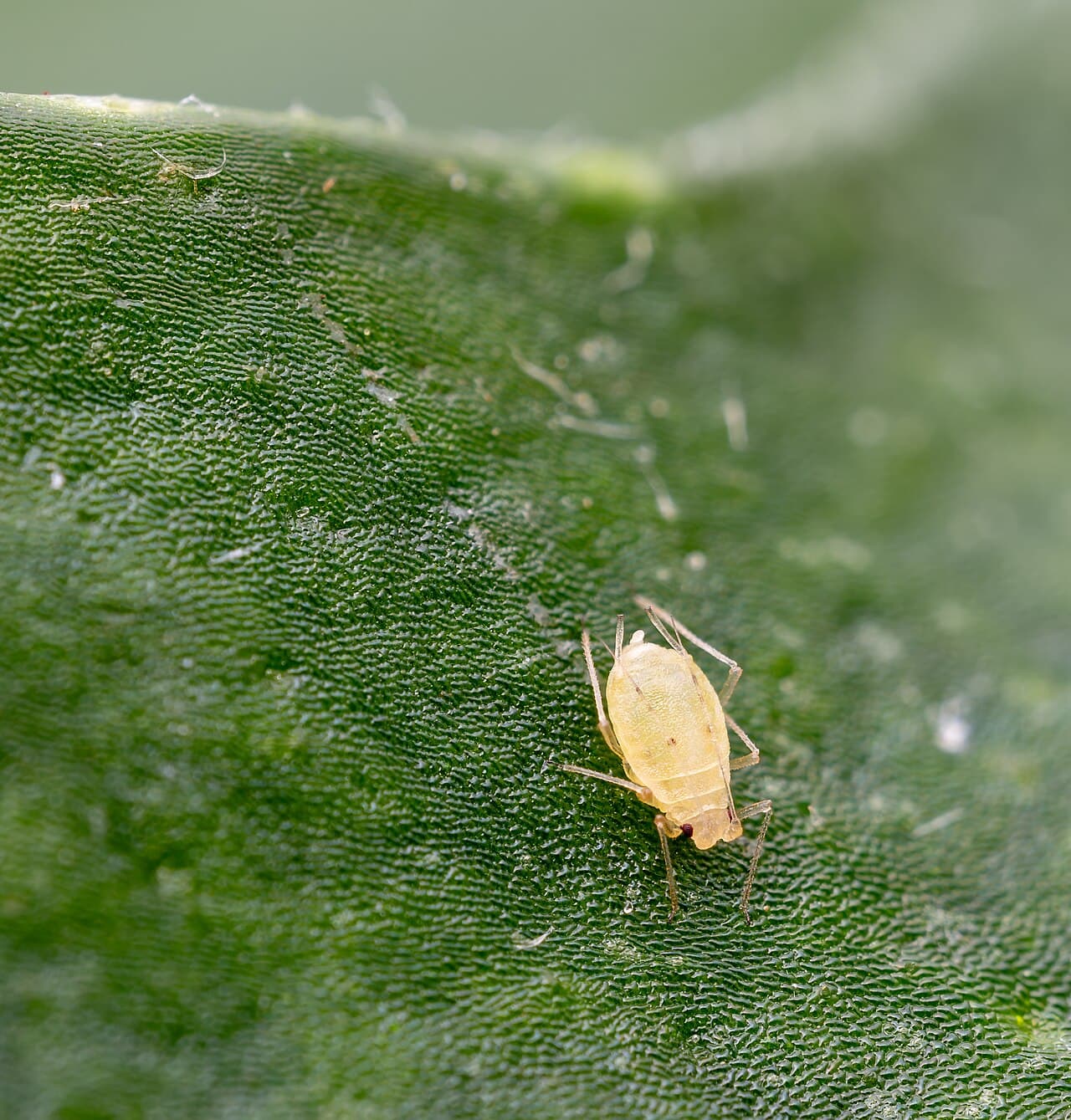
Aphids
PossibleHow to tell: These tiny green or black insects cluster on new growth and cause leaves to curl. You might also notice a sticky residue called honeydew on the plant.
What to do: Blast the aphids off with a strong stream of water from your hose. If they persist, spray the plant with insecticidal soap every 5 days until they are gone.
Find out what's wrong with your carolina horsenettle
The list above covers the usual causes. Pocket Botanist looks at a photo of your actual plant and tells you the likely cause, how serious it is, and what to try first. Identification and a health check are free.



Scan with your phone's camera to get the app
Or go to pocketbotanist.app/get on your phone
When to worry
Worry if you see significant defoliation that leaves only the veins behind. A few beetles are normal, but a full colony can kill a young plant.
Stopping it coming back
Keep the area around your plant clear of weeds and debris where pests hide. Regularly inspect your plant once a week during the growing season.
Carolina horsenettle: pests? Check yours with a photo
Every plant is a little different. Take a photo of your carolina horsenettle and Pocket Botanist tells you which cause is most likely, how serious it is, and what to try first. A few checks a day are free. Save the plant and you get care reminders timed for it.
Scan with your phone's camera to get the app
Or go to pocketbotanist.app/get on your phone
Get the app · Or check it from a photo now, free
Questions people ask
- Are these beetles harmful to me?
- No, Colorado potato beetles do not bite or sting humans. They are strictly interested in eating your nightshade plants.
- Can I use chemical pesticides?
- It is better to avoid harsh chemicals because they can kill beneficial insects like bees. Stick to organic options like neem oil or hand picking.
Guides to these causes
More problems with Carolina horsenettle
- Why are my Carolina horsenettle leaves turning yellow?
- Why is my Carolina horsenettle drooping?
- Why is my Carolina horsenettle dropping its leaves?
- What are these spots on my Carolina horsenettle leaves?
- Is my Carolina horsenettle suffering from root rot?
- Why is my Carolina horsenettle looking so leggy?
- Why are my Carolina horsenettle leaves curling?
Back to the Carolina horsenettle guide
This article was generated with AI on from the plant’s care profile and is general information, not horticultural advice. Read about how we build these guides.