 Pocket Botanist

Check these first
- Inspect the undersides of the leaves for small holes or tiny jumping beetles.
- Feel the soil to see if it has dried out too much.
- Check the temperature to see if the plant is experiencing a heat wave.
Likely causes
Flea beetles
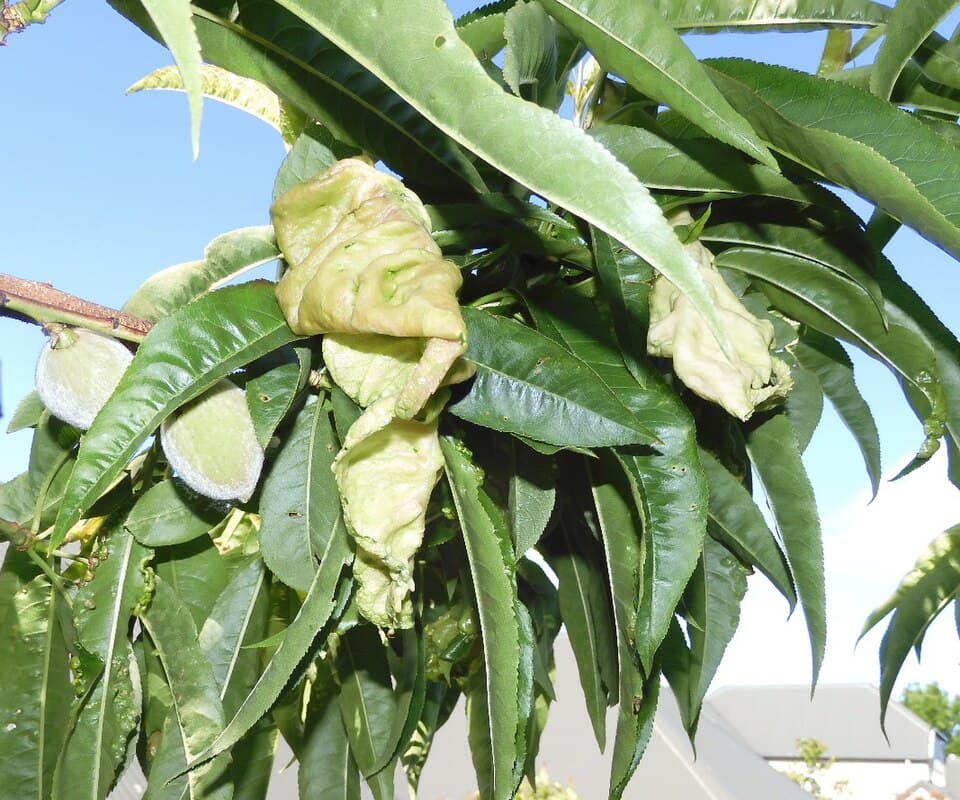
Most likelyHow to tell: You will see tiny, round holes in the leaves and the foliage may curl as it reacts to the damage. Look for small, dark beetles that jump when you touch the plant.
What to do: Spray the leaves with neem oil or insecticidal soap once a week until the beetles are gone. You can also cover the plants with floating row covers to keep the beetles away.
Heat stress
PossibleHow to tell: The leaves curl inward during the hottest part of the day to conserve moisture. The edges may look slightly crispy or dry.
What to do: Water the plant deeply every 3 to 7 days, ensuring the top inch of soil dries out slightly between sessions. Provide a bit of afternoon shade if temperatures stay above 85 degrees Fahrenheit.
Find out what's wrong with your wild mustard
The list above covers the usual causes. Pocket Botanist looks at a photo of your actual plant and tells you the likely cause, how serious it is, and what to try first. Identification and a health check are free.



Scan with your phone's camera to get the app
Or go to pocketbotanist.app/get on your phone
When to worry
If the curling is accompanied by yellowing or widespread holes, the plant is under heavy attack. It is normal for leaves to curl slightly during the hottest part of a summer afternoon.
Stopping it coming back
Keep the soil evenly moist and monitor the leaves weekly for the first signs of flea beetle damage.
Wild mustard: curling leaves? Check yours with a photo
Every plant is a little different. Take a photo of your wild mustard and Pocket Botanist tells you which cause is most likely, how serious it is, and what to try first. A few checks a day are free. Save the plant and you get care reminders timed for it.
Scan with your phone's camera to get the app
Or go to pocketbotanist.app/get on your phone
Get the app · Or check it from a photo now, free
Questions people ask
- Do curling leaves mean I am overwatering?
- Usually, curling is a sign of heat stress or pests rather than overwatering. Overwatering more often leads to yellowing or mushy stems.
- Are flea beetles harmful to the whole plant?
- A few holes are fine, but a heavy infestation can stunt the plant and prevent it from flowering. Treat them early to keep your mustard healthy.
Guides to these causes
More problems with Wild mustard
- Why are my wild mustard leaves turning yellow?
- Why are there holes in my wild mustard leaves?
- Why does my wild mustard have spots on its leaves?
- Why is my wild mustard drooping?
- Why is my wild mustard dropping its leaves?
- Is my wild mustard suffering from root rot?
- Why is my wild mustard looking so leggy?
Back to the Wild mustard guide
This article was generated with AI on from the plant’s care profile and is general information, not horticultural advice. Read about how we build these guides.