 Pocket Botanist

Check these first
- Inspect the new growth tips for tiny moving insects.
- Look for sticky residue on the leaves.
- Check neighboring plants for signs of infestation.
Likely causes
Aphids
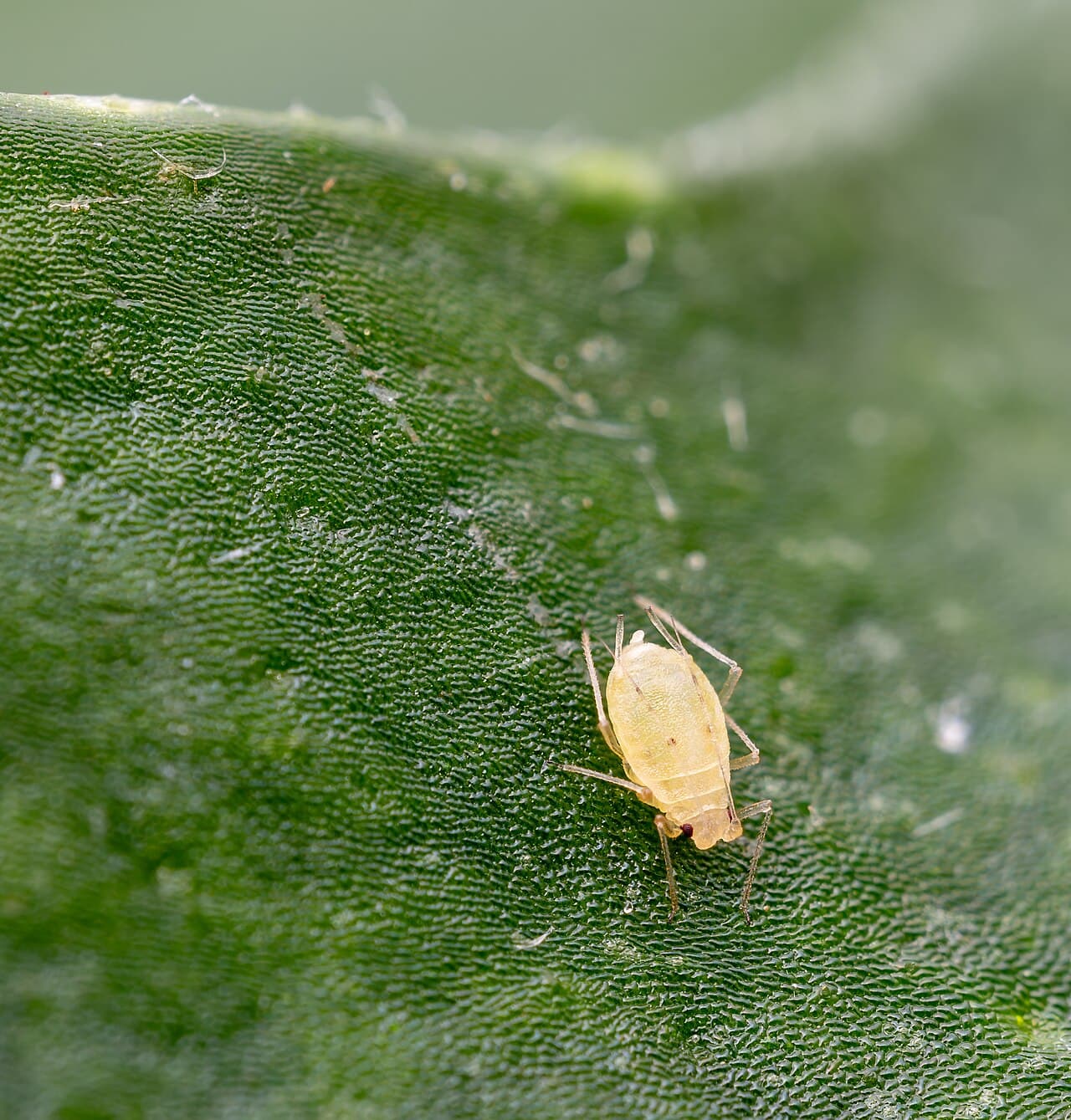
Most likelyHow to tell: You will see small green or pink insects clustering on the new, soft growth. They often leave behind a sticky residue called honeydew.
What to do: Gently wash the plant with a soft stream of distilled water to knock them off. If they persist, apply a mild insecticidal soap specifically labeled as safe for carnivorous plants.
Scale
PossibleHow to tell: These look like small, hard brown bumps that do not move and are often found on the stems or leaf veins. They act like a shield against most sprays.
What to do: Scrape them off carefully with a cotton swab dipped in rubbing alcohol. Monitor the plant closely for a few weeks to ensure no new ones appear.
Find out what's wrong with your north american pitcher plant
The list above covers the usual causes. Pocket Botanist looks at a photo of your actual plant and tells you the likely cause, how serious it is, and what to try first. Identification and a health check are free.



Scan with your phone's camera to get the app
Or go to pocketbotanist.app/get on your phone
When to worry
You should worry if the new pitchers are coming out deformed or stunted. A few bugs are manageable, but a full colony will weaken the plant quickly.
Stopping it coming back
Keep your plant healthy with plenty of direct sun and consistent moisture. Regularly inspect the new growth during the spring and summer months.
North American pitcher plant: pests? Check yours with a photo
Every plant is a little different. Take a photo of your north american pitcher plant and Pocket Botanist tells you which cause is most likely, how serious it is, and what to try first. A few checks a day are free. Save the plant and you get care reminders timed for it.
Scan with your phone's camera to get the app
Or go to pocketbotanist.app/get on your phone
Get the app · Or check it from a photo now, free
Questions people ask
- Can I use regular bug spray?
- No, never use standard household pesticides on a Sarracenia. They contain minerals and chemicals that will kill your pitcher plant.
- Do these bugs hurt the plant?
- Yes, they suck the sap from the plant, which drains its energy and causes the pitchers to grow in twisted or stunted.
Guides to these causes
More problems with North American pitcher plant
- Why is my Trumpet Pitcher Plant looking sick at the base?
- Why is my Trumpet Pitcher Plant growing tall and thin?
- Why are my Sarracenia leaves turning yellow?
- Why are my Sarracenia pitcher tips turning brown?
- Why is my Sarracenia drooping?
- Why are there spots on my Sarracenia pitchers?
- Why is my Sarracenia not producing flowers?
- Why are my Sarracenia leaves curling?
Back to the North American pitcher plant guide
This article was generated with AI on from the plant’s care profile and is general information, not horticultural advice. Read about how we build these guides.