 Pocket Botanist

Check these first
- Inspect the newest, softest pitchers for tiny clusters of bugs.
- Look for sticky residue or distorted growth near the top of the plant.
- Check the undersides of the leaves for small, immobile bumps.
Likely causes
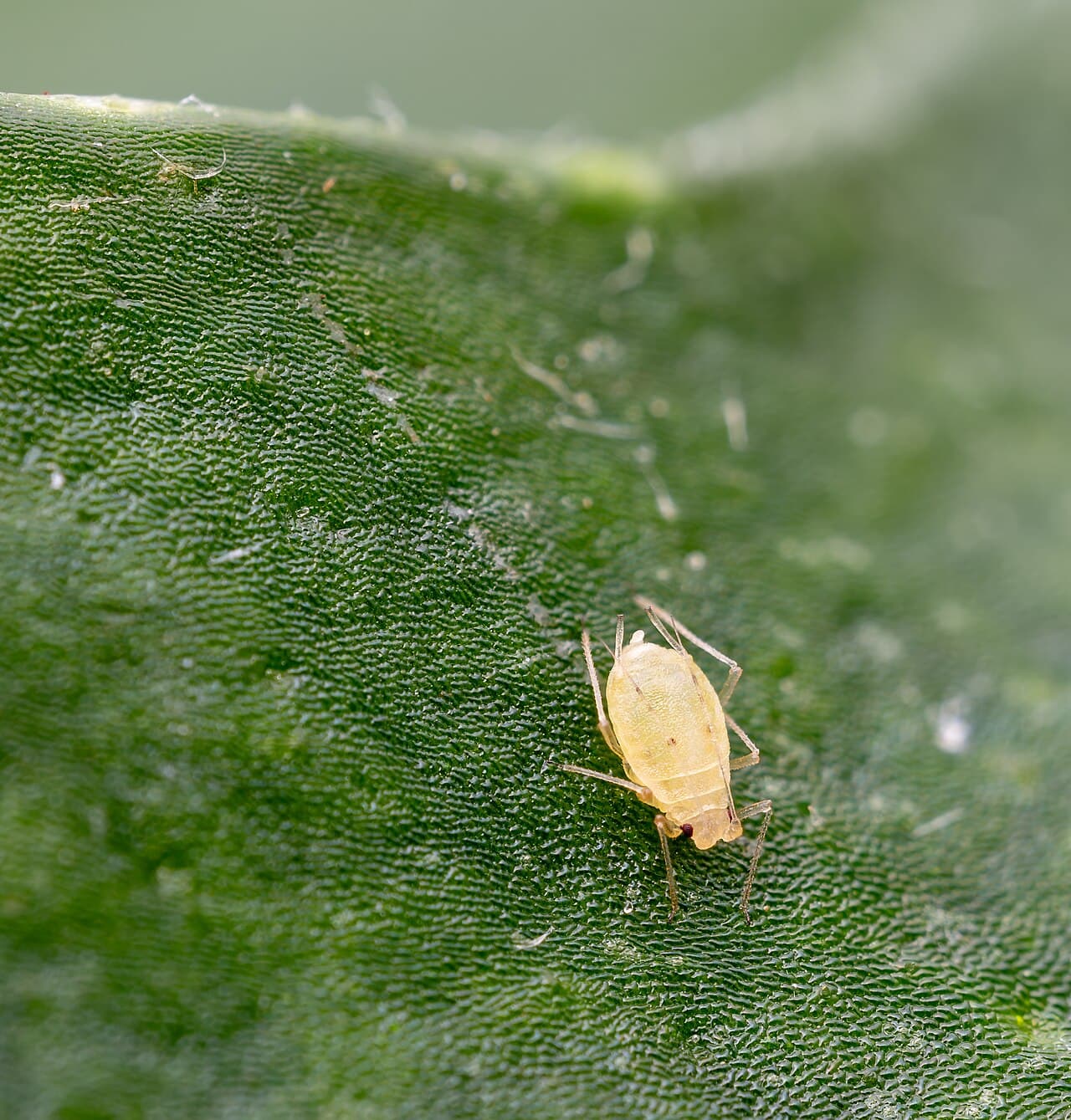
Aphid infestation
Most likelyHow to tell: You will see clusters of tiny green or pink insects congregating on the newest, softest parts of the plant. They often cause the new pitchers to look distorted or stunted.
What to do: Gently wash the aphids off with a soft stream of water. If they persist, use a mild insecticidal soap specifically labeled as safe for carnivorous plants. Avoid using heavy oils or harsh chemicals that can burn the leaves.
Scale insects
PossibleHow to tell: These look like small, brown, waxy bumps on the stems or the base of the pitchers. They do not move and are often mistaken for part of the plant.
What to do: Scrape them off carefully with a cotton swab dipped in rubbing alcohol. Monitor the plant weekly to ensure no new ones appear. Keep the plant in full sun to maintain its natural vigor.
Find out what's wrong with your white-topped pitcher plant
The list above covers the usual causes. Pocket Botanist looks at a photo of your actual plant and tells you the likely cause, how serious it is, and what to try first. Identification and a health check are free.



Scan with your phone's camera to get the app
Or go to pocketbotanist.app/get on your phone
When to worry
Small numbers are manageable, but a heavy infestation can weaken the plant and stop it from producing new pitchers. If the entire crown is covered in bugs, act immediately.
Stopping it coming back
Keep your plant healthy with plenty of direct sunlight and consistent moisture. Regularly inspect new growth during the spring and summer months.
White-topped pitcher plant: pests? Check yours with a photo
Every plant is a little different. Take a photo of your white-topped pitcher plant and Pocket Botanist tells you which cause is most likely, how serious it is, and what to try first. A few checks a day are free. Save the plant and you get care reminders timed for it.
Scan with your phone's camera to get the app
Or go to pocketbotanist.app/get on your phone
Get the app · Or check it from a photo now, free
Questions people ask
- Can I use neem oil on my pitcher plant?
- No, avoid neem oil and other horticultural oils. These can clog the plant's pores and damage the sensitive pitcher structures.
- Will these bugs kill my plant?
- A severe infestation can stunt growth and weaken the plant significantly. It is best to remove them as soon as you spot them.
Guides to these causes
More problems with White-topped pitcher plant
- Why does my White-topped pitcher plant look sick at the base?
- Why is my White-topped pitcher plant growing so tall and thin?
- Why are my Sarracenia leucophylla leaves turning yellow?
- Why are my Sarracenia leucophylla tips turning brown?
- Why are there spots on my Sarracenia leucophylla?
- Why is my Sarracenia leucophylla not flowering?
- Why are my Sarracenia leucophylla leaves curling?
Back to the White-topped pitcher plant guide
This article was generated with AI on from the plant’s care profile and is general information, not horticultural advice. Read about how we build these guides.