 Pocket Botanist

Check these first
- Smell the water in the tray to see if it is foul.
- Check if the soil feels compacted or dense.
- Verify that you are using only distilled or rain water.
Likely causes
Stagnant water
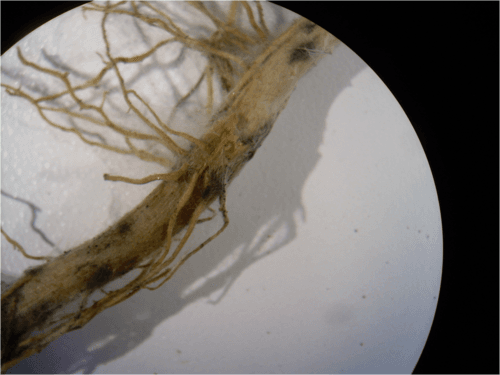
Most likelyHow to tell: The base of the plant turns mushy or black, and the plant begins to collapse. The water in the tray may smell foul or like rotten eggs.
What to do: Empty the tray and flush the soil with fresh distilled water. Ensure you are using only distilled, rain, or reverse osmosis water. Replace the water in the tray every 2 to 3 days to keep it fresh.
Improper soil media
PossibleHow to tell: The soil feels dense, heavy, or compacted, preventing oxygen from reaching the roots. The plant shows signs of wilting despite being in water.
What to do: Repot the plant into a fresh mix of peat moss and perlite. Avoid any potting soil that contains fertilizers or minerals. Ensure the new mix is loose and airy.
Find out what's wrong with your white-topped pitcher plant
The list above covers the usual causes. Pocket Botanist looks at a photo of your actual plant and tells you the likely cause, how serious it is, and what to try first. Identification and a health check are free.



Scan with your phone's camera to get the app
Or go to pocketbotanist.app/get on your phone
When to worry
If the rhizome itself feels soft or mushy to the touch, the plant is in serious trouble. A little browning at the very base of old leaves is normal, but a soft rhizome is usually fatal.
Stopping it coming back
Always use pure water and refresh the tray water frequently. Use a well-draining peat and perlite mix to ensure the roots get enough oxygen.
White-topped pitcher plant: root rot? Check yours with a photo
Every plant is a little different. Take a photo of your white-topped pitcher plant and Pocket Botanist tells you which cause is most likely, how serious it is, and what to try first. A few checks a day are free. Save the plant and you get care reminders timed for it.
Scan with your phone's camera to get the app
Or go to pocketbotanist.app/get on your phone
Get the app · Or check it from a photo now, free
Questions people ask
- Can I use tap water?
- No, tap water contains minerals that will kill the roots of a pitcher plant over time. Always use distilled, rain, or reverse osmosis water.
- How deep should the water be in the tray?
- Keep the water level shallow, about 0.5 to 1 inch deep. This provides enough moisture without drowning the rhizome.
More problems with White-topped pitcher plant
- Why are there tiny bugs on my White-topped pitcher plant?
- Why is my White-topped pitcher plant growing so tall and thin?
- Why are my Sarracenia leucophylla leaves turning yellow?
- Why are my Sarracenia leucophylla tips turning brown?
- Why are there spots on my Sarracenia leucophylla?
- Why is my Sarracenia leucophylla not flowering?
- Why are my Sarracenia leucophylla leaves curling?
Back to the White-topped pitcher plant guide
This article was generated with AI on from the plant’s care profile and is general information, not horticultural advice. Read about how we build these guides.