 Pocket Botanist
Plant guide
Ashoka tree.
Saraca asoca
Pronounced suh-RAH-kuh uh-SO-kuh
Also known as Ashoka, Ashoka tree, asoka-tree


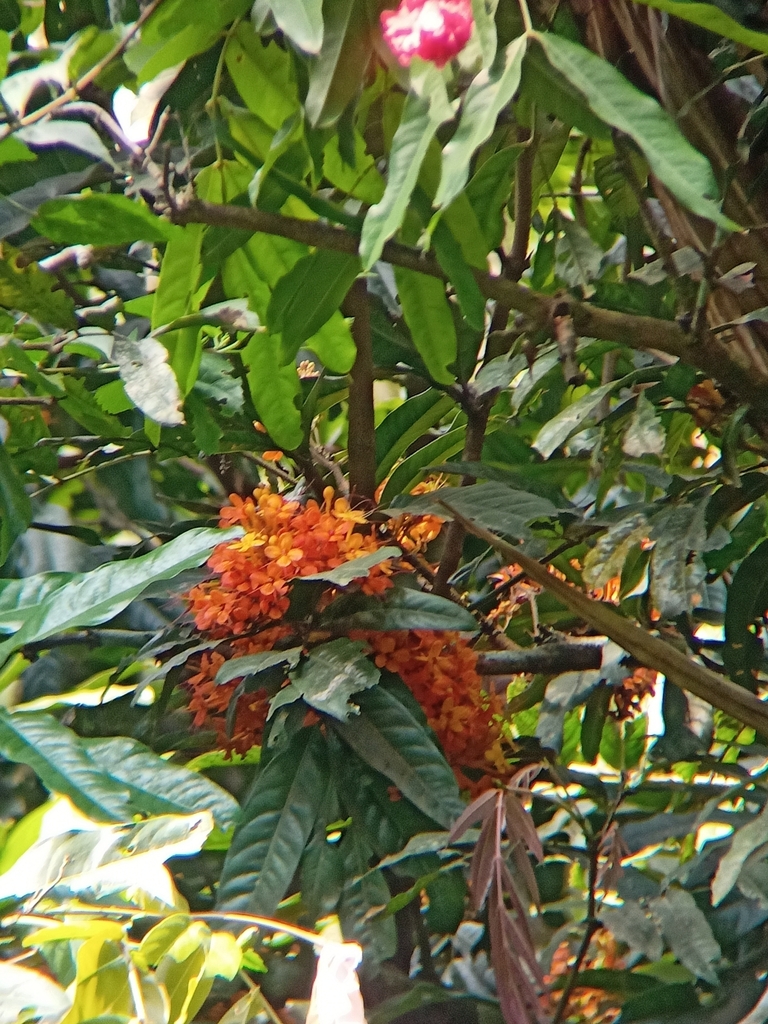
The Ashoka tree is a beautiful tropical evergreen known for its fragrant, clustered flowers and dense, deep green foliage. It holds great cultural significance in its native range and makes a stunning ornamental specimen. It thrives in warm, humid environments with plenty of space to grow.
At a glance
- Care level
- Moderate
- Plant type
- Evergreen tree
- Light
- Partial shade to bright indirect light
- Indoor light
- bright-indirect
- Water
- Every 3 to 7 days
- Mature size
- 6 to 9 meters
- Growth rate
- medium
- Hardiness
- USDA 10 to 12
- Bloom time
- Late winter to early spring
Care
Keep the soil consistently moist but never waterlogged to mimic its tropical habitat. Watch for yellowing leaves which often signal overwatering or poor drainage. Provide shelter from harsh, direct afternoon sun to prevent leaf scorch.
- Watering
- Keep the soil evenly moist throughout the growing season.
- Feeding
- Apply a balanced organic fertilizer during the active growing months.
- Pruning
- Prune lightly after flowering to maintain a tidy shape and remove dead wood.
- Repotting
- Repot only when the tree becomes root bound in its container.
- Soil
- Rich, well-draining, acidic loam
- Soil pH
- 5.5 to 6.5
- Temperature
- 15 to 35°C
- Humidity
- 60 to 90%
- Drought tolerance
- low
- Lifespan
- Perennial, typically 30 to 50 years
- Fragrance
- strong
- Deer and rabbits
- moderate
Signs it needs repotting
- Roots growing out of the drainage holes
- Water running straight through the pot without soaking in
Safety
- People
- The plant contains tannins and alkaloids that can cause digestive distress if ingested.
- Pets
- There is no evidence suggesting this plant is toxic to cats or dogs.
- Children
- Keep children away from the seeds as they pose a potential choking and ingestion hazard.
- Contact allergens
- The sap may cause mild skin irritation in sensitive individuals.
- Airborne allergens
- There are no notable airborne allergen risks associated with this tree.
- Edibility
- The seeds and pods are considered toxic and should not be consumed.
How to identify it
- Dense, evergreen, dark green canopy
- Fragrant orange to red flower clusters
- Pinnate leaves with lanceolate leaflets
- Smooth, greyish brown bark
- Pendulous, strap like seed pods
- Height
- 6 to 9m
- Spread
- 3 to 5m
- Leaves
- dark green, evergreen
- Flowers
- orange, red, 1 to 2cm
- Fruit
- black, brown, Summer
Common problems
- Aphids — Small insects that cluster on new growth and suck plant sap.
- Leaf spot — Fungal infections that cause dark patches on foliage during humid weather.
Growing it
- Propagation
- seed, cuttings
- When to plant
- spring, early summer
- Overwintering
- Move the container to a frost free location if you live in a cold climate, as it cannot tolerate freezing temperatures.
- In containers
- It grows well in large containers of at least 20 gallons, provided it is kept in a warm, humid environment.
Seed propagation
- 1. Collect fresh seeds from mature pods.
- 2. Soak seeds in warm water for 24 hours to soften the coat.
- 3. Plant in a well draining potting mix at a depth of 1 inch.
- 4. Keep the soil consistently moist and warm until germination occurs.
Planting moisture loving understory plants helps maintain the high humidity this tree prefers.
Grows well with
- Gardenia — They share similar moisture and shade requirements.
- Ferns — Ferns provide a lush ground cover that keeps the soil cool.
Similar species
- Pride of Burma — It shares a similar growth habit and stunning floral display.
Science
- Family
- Fabaceae
- Genus
- Saraca
- Order
- Fabales
- Class
- Magnoliopsida
- Native range
- Native to the Indian subcontinent and parts of Southeast Asia.
- Conservation
- This species is considered vulnerable in its natural habitat due to overharvesting for medicinal use.
It thrives in the humid, shaded understory of tropical evergreen forests.
- Value to wildlife
- nectar source
- Pollinators
- bees, butterflies
- Uses
- ornamental specimen, medicinal bark, temple garden planting
Through the year
Ecological indicators
- Salinity
- 2/9
- Soil reaction
- 6/9
- Light
- 6/9
- Temperature
- 8/9
- Moisture
- 7/9
- Nutrients
- 5/9
Taxonomy resolved against GBIF.
Questions people ask
- How much sun does it need?
- It prefers partial shade to full sun.
- Is it easy to grow in pots?
- It can be grown in large containers but requires consistent moisture.
Where the name comes from
The genus name Saraca comes from a local Indian name, while the specific epithet asoca refers to the Sanskrit word for without sorrow.
Good to know
- It is often called the Sorrowless Tree.
- The flowers are known for their vibrant orange to red color.
- It is a member of the legume family.
- The tree is frequently mentioned in ancient Sanskrit literature.
Also in
Is your ashoka tree looking unwell?
This page is a general guide. Pocket Botanist diagnoses problems from a photo of your actual plant, works out watering for your light and conditions, and reminds you when care is due.
This guide was generated with AI and checked against GBIF taxonomy. It is general information, not horticultural or veterinary advice. Read about how we build these guides.