 Pocket Botanist
Plant guide
Gardenia.
Gardenia jasminoides
Pronounced gar-DEE-nee-uh jaz-min-OY-deez
Also known as Cape Jasmine, Cape-jessamine, Gargenia, cape-jasmine, common gardenia, danh-danh, gardenia, jasmin



Scan with your phone's camera to get the app
Or go to pocketbotanist.app/get on your phone

Gardenias are beloved for their incredibly fragrant, creamy white flowers and glossy, dark green foliage. They thrive in humid environments and make a stunning addition to any indoor collection. You will find they are a bit fussy, but their beautiful blooms are well worth the effort.
At a glance
- Care level
- Difficult
- Plant type
- Shrub
- Light
- Bright indirect light
- Indoor light
- Bright indirect
- Water
- Every 5 to 10 days
- Mature size
- 2 to 6 feet
- Growth rate
- Medium
- Hardiness
- USDA 8 to 11
- Bloom time
- Late spring to summer
Care
Keep the soil consistently moist but never soggy, and provide high humidity to prevent bud drop. Watch for yellowing leaves, which often signal a need for more iron or a change in soil acidity. Ensure they have plenty of bright, indirect light to encourage those lovely flowers.
- Watering
- Water when the top inch of soil feels dry to the touch.
- Feeding
- Use an acid loving fertilizer during the active growing season.
- Pruning
- Trim back after flowering to maintain shape and encourage bushier growth.
- Repotting
- Repot only when the plant becomes root bound, as they prefer being slightly snug.
- Soil
- Acidic, well draining potting mix
- Soil pH
- 5.0 to 6.0
- Temperature
- 10 to 27°C
- Humidity
- 60 to 90%
- Drought tolerance
- Low
- Lifespan
- Perennial, typically 10 to 20 years with proper care.
- Fragrance
- Strong
- Deer and rabbits
- Moderate
Signs it needs repotting
- Roots growing out of the drainage holes.
- Water sitting on the surface for too long.
- The plant stops growing during the active season.
Safety
- People
- The plant is generally considered non toxic to humans, but ingestion of large amounts of foliage may cause mild stomach upset.
- Pets
- Gardenias are toxic to both cats and dogs if ingested.
- Children
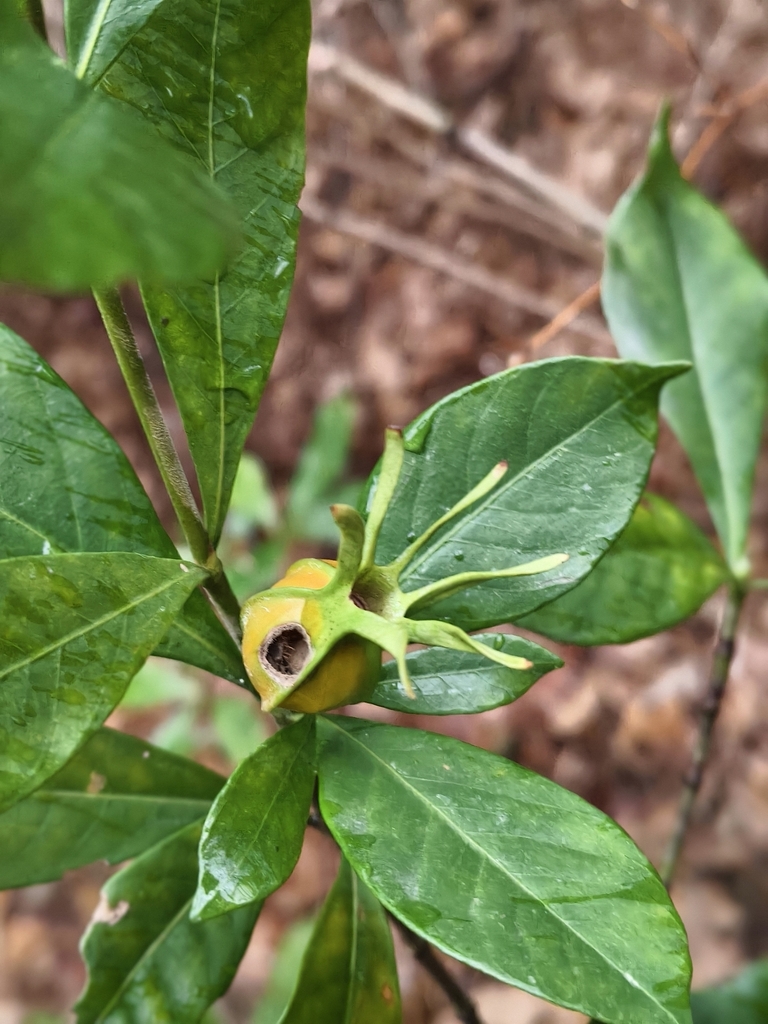
- The small orange fruits are attractive to children but may cause digestive upset if ingested.
- Contact allergens
- Handling the foliage or sap may cause mild skin irritation in sensitive individuals.
- Airborne allergens
- The strong fragrance can trigger headaches or respiratory discomfort in those sensitive to heavy floral scents.
- Edibility
- While the flowers are sometimes used in tea, the plant is not considered a food crop and should be consumed with caution.
How to identify it
- Glossy, dark green evergreen leaves
- Highly fragrant, creamy white flowers
- Thick, waxy petal texture
- Compact, shrubby growth habit
- Height
- 0.6 to 1.8m
- Spread
- 0.6 to 1.8m
- Leaves
- dark green, glossy, evergreen
- Flowers
- white, creamy yellow, 5 to 10cm
- Fruit
- orange, red, Autumn
Problems to watch for
- Bud DropCommon
- ChlorosisCommon
- Spider MitesCommon
- WhiteflyCommon
- MealybugsUncommon
- Root RotUncommon
- Scale InsectsUncommon
- Sooty MoldUncommon
Check your gardenia from a photo
Pocket Botanist looks at a photo of your plant and tells you what's wrong and what to try first.
Scan with your phone's camera to get the app
Or go to pocketbotanist.app/get on your phone
Growing it
- Propagation
- cuttings, layering, seed
- When to plant
- spring, early autumn
- Overwintering
- In colder regions, move containers indoors to a bright, cool room before the first frost. Keep the soil lightly moist and avoid placing the plant near heating vents.
- In containers
- Gardenias grow very well in containers, provided you use a well draining, acidic potting mix and a pot at least 30 centimeters wide.
Stem Cuttings
- 1. Take a 10 centimeter cutting from a healthy stem in summer.
- 2. Remove the lower leaves.
- 3. Dip the cut end in rooting hormone.
- 4. Place in a moist, sandy potting mix.
- 5. Cover with a plastic bag to maintain humidity until roots form.
Group plants that prefer acidic soil together to make managing soil pH much easier.
Grows well with
Similar species
- Jasmine · Both are prized for their intensely fragrant white flowers.
- Stephanotis · It shares a similar waxy flower texture and strong scent.
Science
- Family
- Rubiaceae
- Genus
- Gardenia
- Order
- Gentianales
- Class
- Magnoliopsida
- Native range
- Southern China, Taiwan, and Japan.
- Conservation
- This plant is widely cultivated and not currently of conservation concern in its native range.
It grows naturally in warm, humid forest understories where it benefits from dappled light and moist, acidic soil.
- Value to wildlife
- nectar source
- Pollinators
- bees, butterflies, moths
- Uses
- ornamental shrub, fragrant garden plant, container specimen, cut flowers
Through the year
Ecological indicators
- Salinity
- 1/9
- Soil reaction
- 3/9
- Light
- 6/9
- Temperature
- 8/9
- Moisture
- 7/9
- Nutrients
- 6/9
Taxonomy resolved against GBIF.
Questions people ask
- Why are my gardenia leaves turning yellow?
- This is usually a sign of iron deficiency caused by soil that is not acidic enough.
- How do I get my gardenia to bloom?
- Ensure it receives plenty of bright, indirect light and consistent moisture.
Where the name comes from
The genus is named after Alexander Garden, a Scottish physician and naturalist who lived in South Carolina. The species name jasminoides refers to the flower's resemblance to jasmine.
Good to know
- Gardenias are members of the coffee family.
- The flowers turn a creamy yellow color as they age.
- They require acidic soil to thrive and prevent leaf yellowing.
- The scent is famously used in high end perfumes.
Also in
Keep your gardenia growing
This page is a general guide. Save your plant in Pocket Botanist and you get care reminders timed for this plant, plus a care history that shows what worked.
Scan with your phone's camera to get the app
Or go to pocketbotanist.app/get on your phone
This guide was generated with AI on and checked against GBIF taxonomy. It is general information, not horticultural or veterinary advice. Read about how we build these guides.