 Pocket Botanist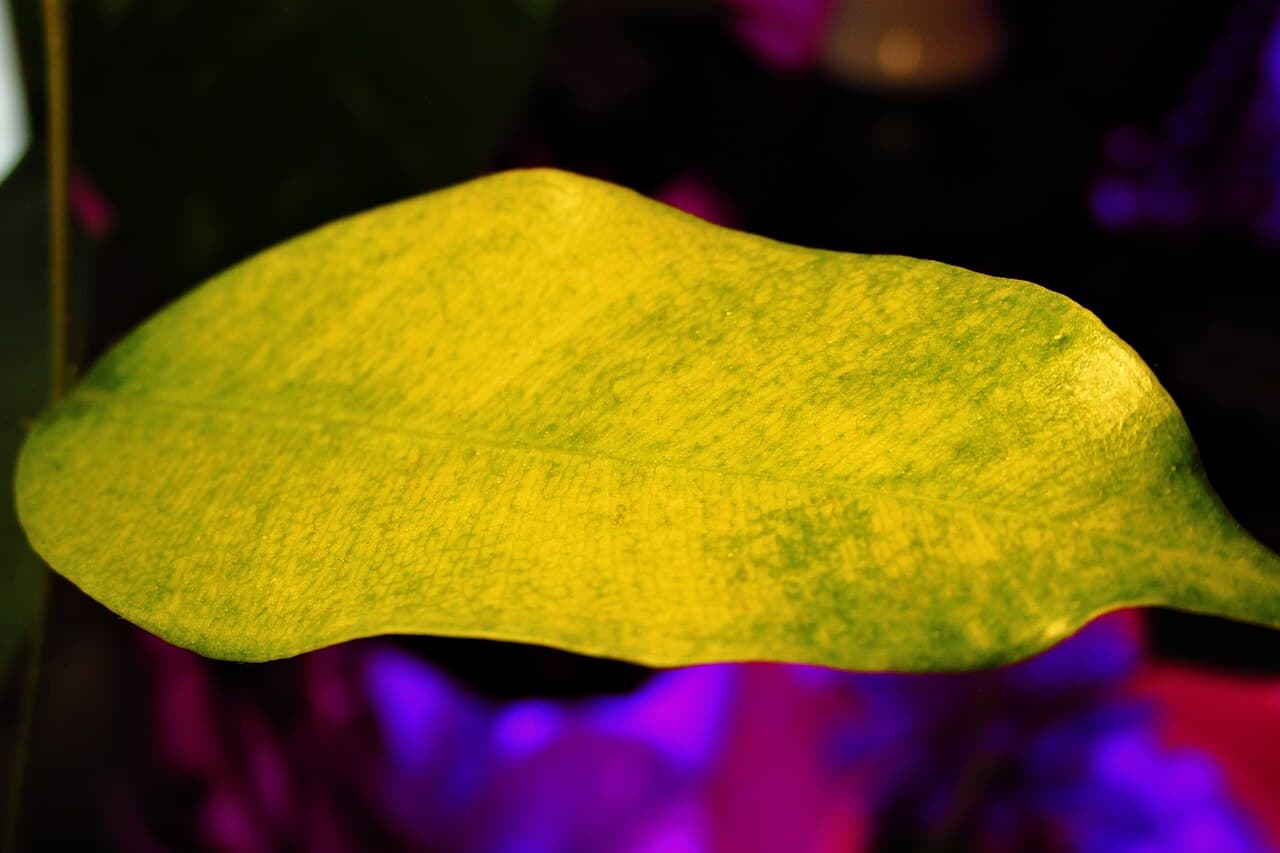
.jpg)
Check these first
- Check the soil pH with a home test kit.
- Inspect the leaf veins to see if they are still green.
- Feel the top inch of soil to see if it is soggy.
Likely causes
Iron Chlorosis
Most likelyHow to tell: The leaves turn yellow while the veins remain a bright green color.
What to do: Apply a liquid iron supplement or a fertilizer specifically formulated for acid loving plants. Ensure your soil pH is between 5.0 and 6.0 to help the roots take up iron properly.
Overwatering
PossibleHow to tell: The leaves turn yellow and feel soft or mushy to the touch.
What to do: Let the top inch of soil dry out completely before watering again. Ensure your pot has drainage holes so excess water does not sit around the roots.
When to worry
It is normal for a few older leaves at the base of the plant to yellow and fall off. Worry if the yellowing spreads rapidly to new growth.
Stopping it coming back
Use a fertilizer designed for acid loving plants and maintain consistent watering habits.
Not sure which one it is? Photograph your gardenia.
This page lists the usual causes. Pocket Botanist looks at your actual leaf and tells you the likely cause, how serious it is, and what to try first. Identification and a health check are free.


Questions people ask
- Can I use regular houseplant fertilizer?
- No, gardenias need acidic fertilizer to prevent nutrient lockout. Use a formula labeled for azaleas or camellias.
- Will the yellow leaves turn green again?
- Usually, no. Once a leaf has turned yellow due to chlorosis, it will likely stay that way, but new growth should come in green after treatment.
More problems with Gardenia
This article was generated with AI from the plant’s care profile and is general information, not horticultural advice. Read about how we build these guides.