 Pocket Botanist

Check these first
- Inspect the underside of the leaves for signs of fungal growth.
- Check if you are watering the foliage instead of the soil.
- Look for poor air circulation around the base of the plant.
Likely causes
Leaf Spot Fungus
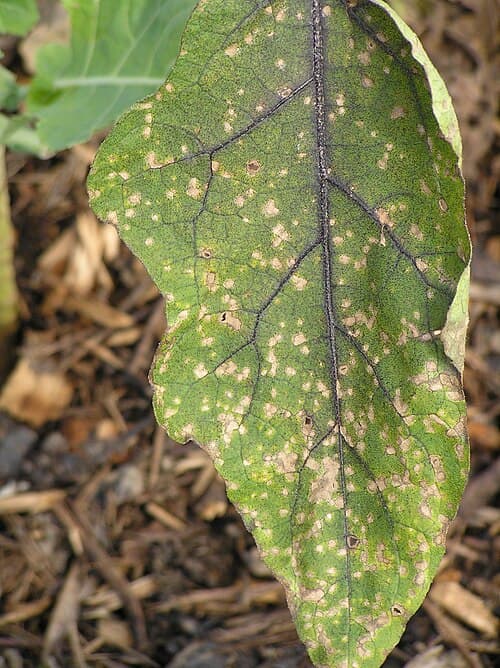
Most likelyHow to tell: Small dark or brown spots appear on the leaves, sometimes with a yellow halo. These spots often spread during periods of high humidity or rain.
What to do: Remove and dispose of the infected leaves immediately to stop the spread. Water only at the base of the plant in the morning so the foliage stays dry throughout the day.
Overhead Watering
PossibleHow to tell: Spots appear shortly after you have watered the garden with a sprinkler or hose. The foliage stays wet for too long, creating a perfect environment for fungi.
What to do: Switch to a soaker hose or drip irrigation to keep the leaves dry. If you must use a hose, aim the water directly at the soil line.
Find out what's wrong with your black-eyed susan
The list above covers the usual causes. Pocket Botanist looks at a photo of your actual plant and tells you the likely cause, how serious it is, and what to try first. Identification and a health check are free.



Scan with your phone's camera to get the app
Or go to pocketbotanist.app/get on your phone
When to worry
Worry if the spots cover more than half the leaf surface or if the plant begins to drop leaves rapidly. A few spots are normal during a particularly wet summer.
Stopping it coming back
Space your plants at least 18 to 24 inches apart to ensure good airflow. Always clean up dead plant debris from the garden bed in the fall.
Black-eyed Susan: spots? Check yours with a photo
Every plant is a little different. Take a photo of your black-eyed susan and Pocket Botanist tells you which cause is most likely, how serious it is, and what to try first. A few checks a day are free. Save the plant and you get care reminders timed for it.
Scan with your phone's camera to get the app
Or go to pocketbotanist.app/get on your phone
Get the app · Or check it from a photo now, free
Questions people ask
- Should I use a fungicide?
- Usually, it is not necessary if you improve air circulation and stop overhead watering. If the infection is severe, a copper based fungicide can help.
- Will these spots kill my plant?
- Leaf spot is rarely fatal, but it can weaken the plant if left unchecked. Keeping the foliage dry is the best way to stop it.
Guides to these causes
More problems with Black-eyed Susan
- Why is my Black-eyed Susan drooping?
- Why is my Black-eyed Susan getting so leggy?
- Why is my Black-eyed Susan not blooming?
- Why are my Black-eyed Susan's leaves turning yellow?
- Why are my Black-eyed Susan's leaf tips turning brown?
- Why are my Black-eyed Susan leaves falling off?
- What bugs are eating my Black-eyed Susan?
- Why is my Black-eyed Susan wilting and dying?
Back to the Black-eyed Susan guide
This article was generated with AI on from the plant’s care profile and is general information, not horticultural advice. Read about how we build these guides.