 Pocket Botanist
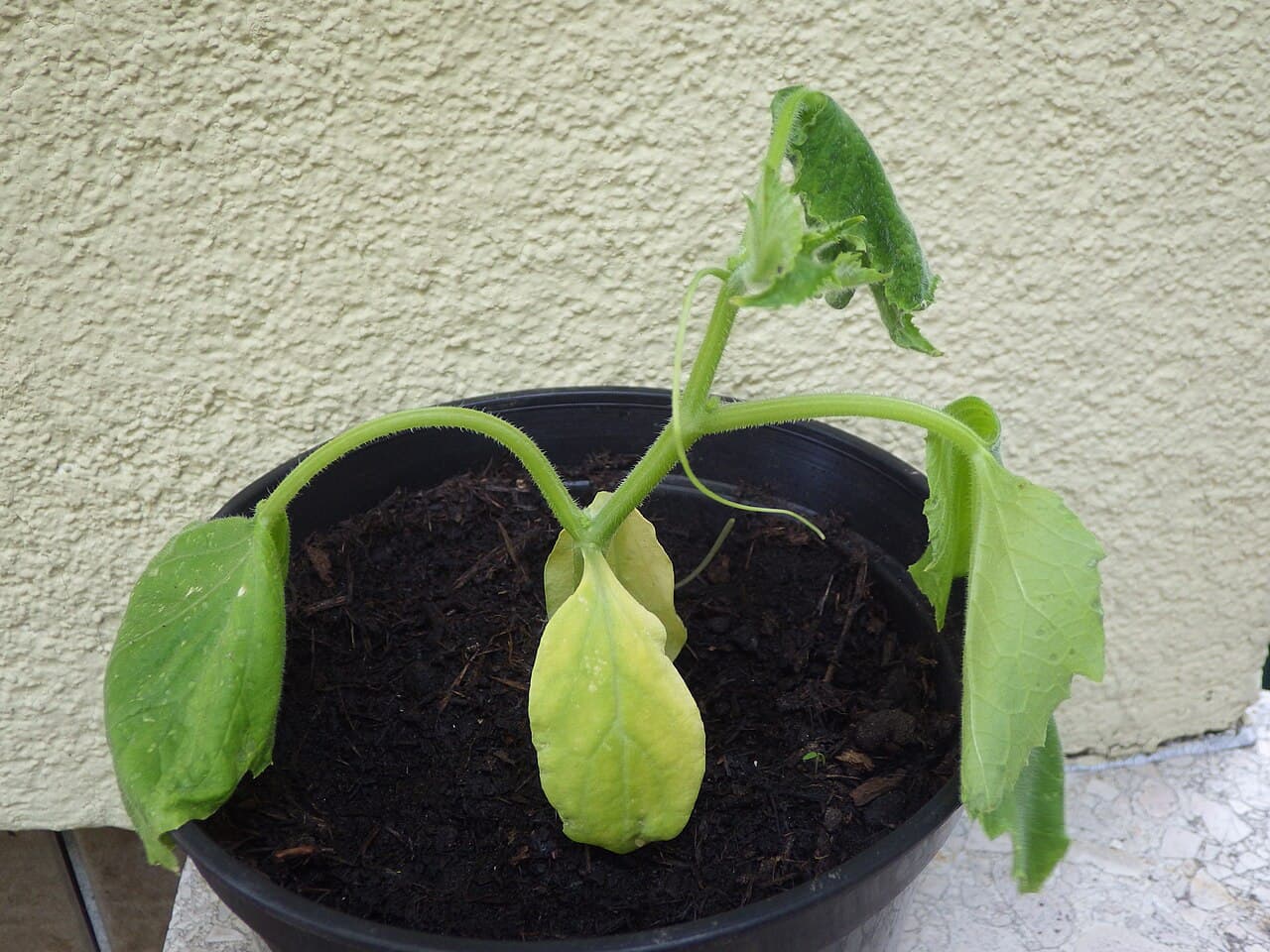

Check these first
- Stick your finger an inch into the soil to check for moisture.
- Check if the drooping happens only during the hottest part of the day.
- Look for signs of wilting even when the soil is damp.
Likely causes
Underwatering
Most likelyHow to tell: The leaves and stems look limp and feel dry to the touch. The soil surface feels hard and pulls away from the edges of the pot or garden bed.
What to do: Give the plant a deep, thorough watering until the soil is moist 2 to 3 inches down. Maintain a schedule of watering every 5 to 10 days depending on the heat.
Heat Stress
PossibleHow to tell: The plant droops during the hottest part of the afternoon but perks up again in the evening. This is a temporary reaction to intense sun.
What to do: Apply a 2 inch layer of mulch around the base of the plant to keep the roots cool. Ensure the plant is getting enough water to handle the high temperatures.
Find out what's wrong with your black-eyed susan
The list above covers the usual causes. Pocket Botanist looks at a photo of your actual plant and tells you the likely cause, how serious it is, and what to try first. Identification and a health check are free.



Scan with your phone's camera to get the app
Or go to pocketbotanist.app/get on your phone
When to worry
It is normal for plants to wilt slightly in extreme afternoon heat. Worry if the plant stays wilted even after the sun goes down or after you have watered it.
Stopping it coming back
Mulch the soil to retain moisture and keep the roots cool. Water consistently during the first growing season to help the plant establish a strong root system.
Black-eyed Susan: drooping? Check yours with a photo
Every plant is a little different. Take a photo of your black-eyed susan and Pocket Botanist tells you which cause is most likely, how serious it is, and what to try first. A few checks a day are free. Save the plant and you get care reminders timed for it.
Scan with your phone's camera to get the app
Or go to pocketbotanist.app/get on your phone
Get the app · Or check it from a photo now, free
Questions people ask
- How much water does it need?
- Keep the soil consistently moist but not soggy. During the first year, check the soil every 5 days.
- Can I overwater it?
- Yes, if the soil stays waterlogged, the roots can suffocate. Ensure your soil has good drainage.
Guides to these causes
More problems with Black-eyed Susan
- Why are there dark spots on my Black-eyed Susan leaves?
- Why is my Black-eyed Susan getting so leggy?
- Why is my Black-eyed Susan not blooming?
- Why are my Black-eyed Susan's leaves turning yellow?
- Why are my Black-eyed Susan's leaf tips turning brown?
- Why are my Black-eyed Susan leaves falling off?
- What bugs are eating my Black-eyed Susan?
- Why is my Black-eyed Susan wilting and dying?
Back to the Black-eyed Susan guide
This article was generated with AI on from the plant’s care profile and is general information, not horticultural advice. Read about how we build these guides.