 Pocket Botanist

Check these first
- Look for silk nests in the branch crotches.
- Check the undersides of leaves for small insects.
- Observe if leaves are being eaten or skeletonized.
Likely causes
Oak processionary moth
Most likelyHow to tell: You will see white silk nests on the trunk or branches and lines of caterpillars. These caterpillars have long white hairs that are dangerous to touch.
What to do: Do not touch them. Contact a professional tree service to remove the nests safely.
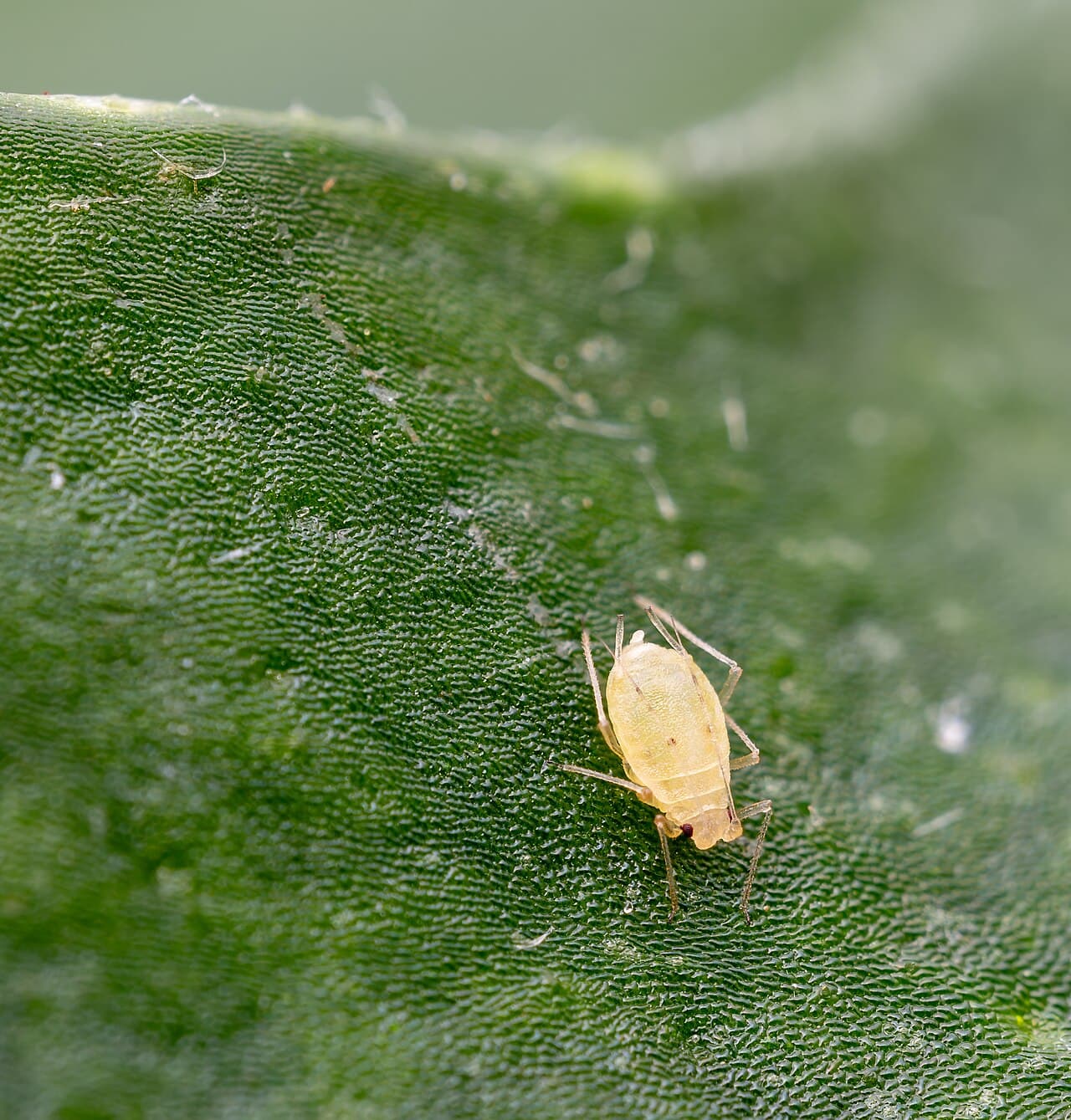
Aphids
PossibleHow to tell: Small green or black insects on the undersides of leaves. They leave behind a sticky substance called honeydew.
What to do: Spray the leaves with a strong jet of water to knock them off. You can also use insecticidal soap if the infestation is heavy.
Find out what's wrong with your sessile oak
The list above covers the usual causes. Pocket Botanist looks at a photo of your actual plant and tells you the likely cause, how serious it is, and what to try first. Identification and a health check are free.



Scan with your phone's camera to get the app
Or go to pocketbotanist.app/get on your phone
When to worry
If you see oak processionary moth nests, treat it as a serious health hazard for humans and pets. Minor aphid presence is usually tolerated by mature trees.
Stopping it coming back
Encourage natural predators like ladybugs and birds to visit your garden. Monitor your tree closely during the spring months.
Sessile oak: pests? Check yours with a photo
Every plant is a little different. Take a photo of your sessile oak and Pocket Botanist tells you which cause is most likely, how serious it is, and what to try first. A few checks a day are free. Save the plant and you get care reminders timed for it.
Scan with your phone's camera to get the app
Or go to pocketbotanist.app/get on your phone
Get the app · Or check it from a photo now, free
Questions people ask
- Are the caterpillars harmful to me?
- Yes, the hairs on oak processionary moth caterpillars can cause severe skin rashes and respiratory issues.
- Should I use pesticides?
- Avoid broad spectrum pesticides as they kill beneficial insects too. Use targeted methods for specific pests.
Guides to these causes
More problems with Sessile oak
- Why are there spots on my Sessile oak leaves?
- Why are my sessile oak leaves curling?
- Why are my Sessile oak leaves turning yellow?
- Why are my sessile oak leaf tips turning brown?
- Why is my sessile oak drooping?
- Why is my Sessile oak losing its leaves?
- How do I know if my Sessile oak has root rot?
- Why is my Sessile oak growing so thin and leggy?
This article was generated with AI on from the plant’s care profile and is general information, not horticultural advice. Read about how we build these guides.