 Pocket Botanist
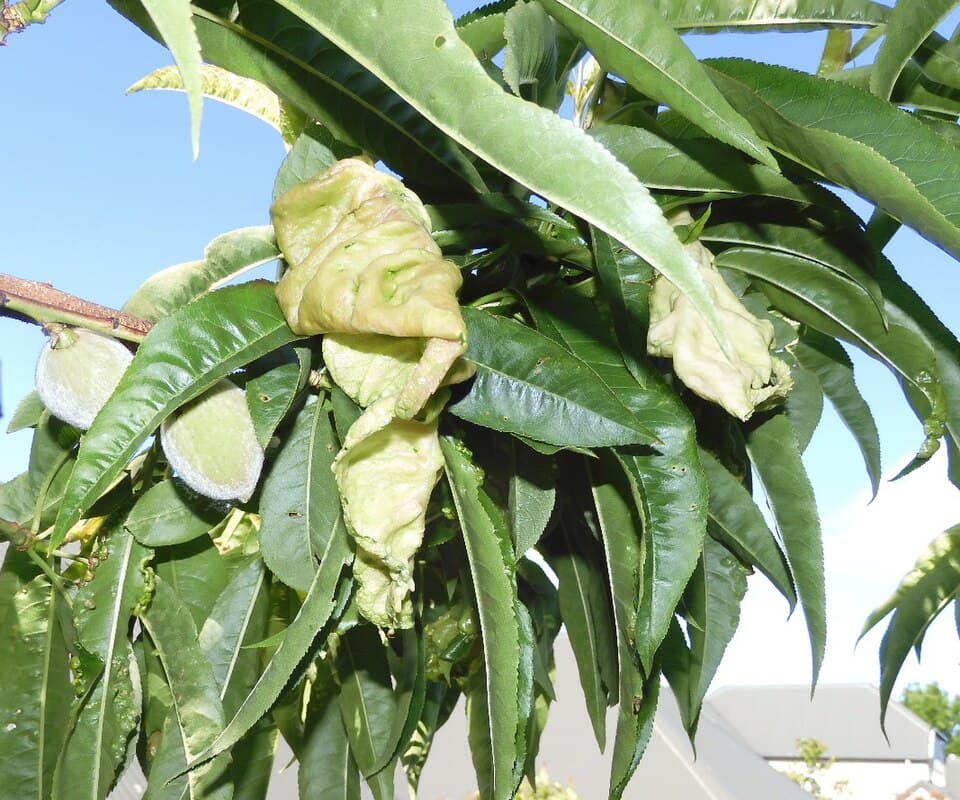

Check these first
- Inspect the undersides of leaves and branches for caterpillars or webbing.
- Check the soil moisture level at a depth of 3 inches.
- Observe if the leaves flatten out when the temperature drops in the evening.
Likely causes
Oak processionary moth
Most likelyHow to tell: You will see clusters of caterpillars or silken nests on the branches and trunk. The leaves often look ragged or curled where they have been feeding.
What to do: Contact a professional arborist immediately to handle removal as these caterpillars are hazardous to human health. Do not attempt to touch or remove the nests yourself.
Heat stress
Most likelyHow to tell: The leaves curl inward during the hottest part of the day to conserve moisture. If they flatten out at night, the tree is just reacting to the sun.
What to do: Ensure the tree receives deep watering every 7 to 14 days during dry spells. Apply a layer of mulch around the base to keep the roots cool and moist.
Find out what's wrong with your sessile oak
The list above covers the usual causes. Pocket Botanist looks at a photo of your actual plant and tells you the likely cause, how serious it is, and what to try first. Identification and a health check are free.



Scan with your phone's camera to get the app
Or go to pocketbotanist.app/get on your phone
When to worry
Be concerned if you see active caterpillars or if the leaves remain curled and brittle even when the soil is moist. It is normal for leaves to curl slightly during intense afternoon heat.
Stopping it coming back
Keep the tree healthy with consistent watering and monitor for early signs of pest infestations.
Sessile oak: curling leaves? Check yours with a photo
Every plant is a little different. Take a photo of your sessile oak and Pocket Botanist tells you which cause is most likely, how serious it is, and what to try first. A few checks a day are free. Save the plant and you get care reminders timed for it.
Scan with your phone's camera to get the app
Or go to pocketbotanist.app/get on your phone
Get the app · Or check it from a photo now, free
Questions people ask
- Can I spray the caterpillars myself?
- No, you should never handle oak processionary moth nests because the hairs are toxic and cause severe skin irritation. Always hire a professional.
- Will my tree die if the leaves curl?
- Not necessarily, as curling is often a temporary defense mechanism against heat. If the cause is pests, the tree can recover if the infestation is treated quickly.
Guides to these causes
More problems with Sessile oak
- What are these pests on my Sessile oak?
- Why are there spots on my Sessile oak leaves?
- Why are my Sessile oak leaves turning yellow?
- Why are my sessile oak leaf tips turning brown?
- Why is my sessile oak drooping?
- Why is my Sessile oak losing its leaves?
- How do I know if my Sessile oak has root rot?
- Why is my Sessile oak growing so thin and leggy?
This article was generated with AI on from the plant’s care profile and is general information, not horticultural advice. Read about how we build these guides.