 Pocket Botanist

Check these first
- Test your soil for nitrogen levels.
- Check the soil moisture two inches below the surface.
- Inspect the lawn for signs of standing water.
Likely causes
Nitrogen Deficiency
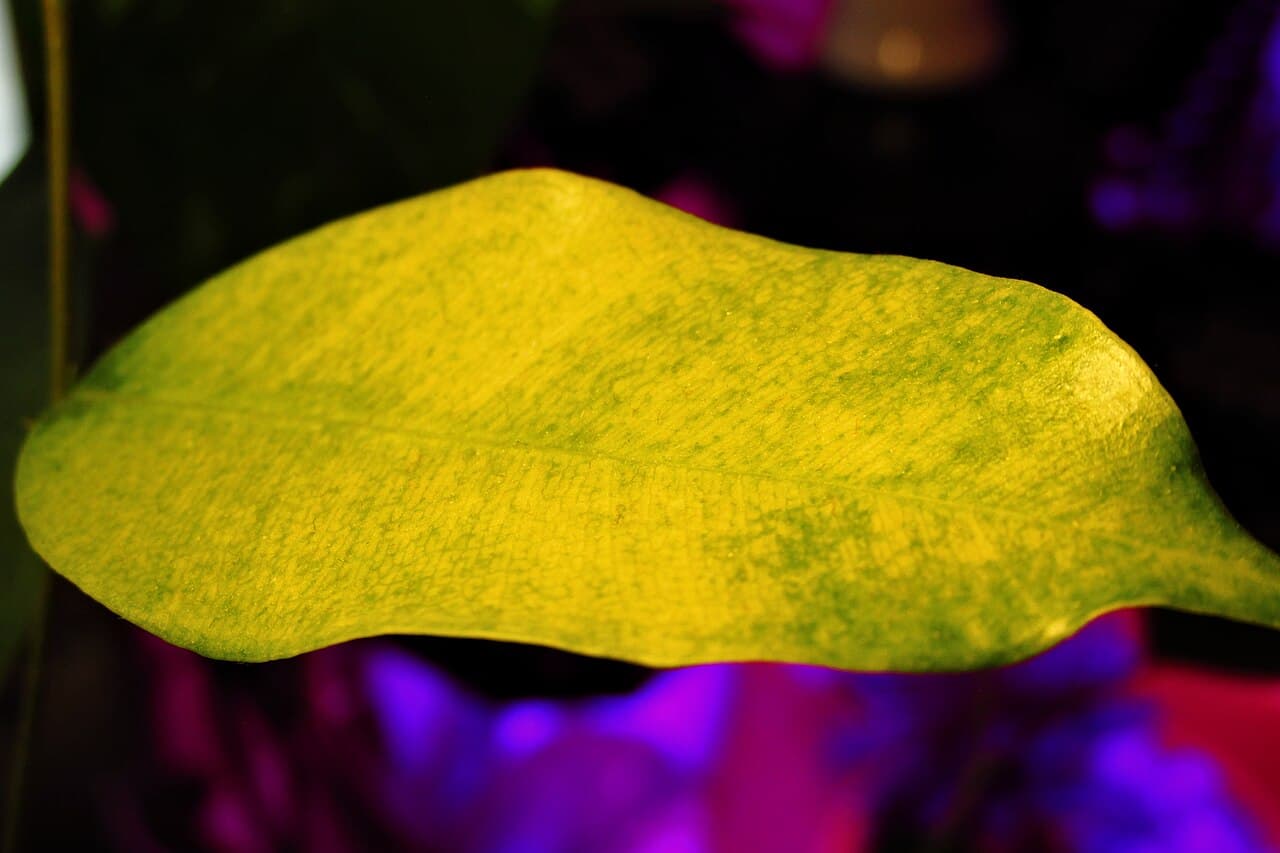
Most likelyHow to tell: The grass blades turn a pale yellow color uniformly across the lawn. Growth slows down significantly.
What to do: Apply a nitrogen rich fertilizer at a rate of 1 pound of nitrogen per 1000 square feet. Water the lawn immediately after application to help the nutrients reach the root zone.
Overwatering
PossibleHow to tell: The soil feels soggy or squishy underfoot. Yellowing often appears in low spots where water pools.
What to do: Adjust your irrigation timer to water every 3 to 4 days instead of daily. Ensure your lawn has proper drainage by aerating the soil to reduce compaction.
Find out what's wrong with your kentucky bluegrass
The list above covers the usual causes. Pocket Botanist looks at a photo of your actual plant and tells you the likely cause, how serious it is, and what to try first. Identification and a health check are free.



Scan with your phone's camera to get the app
Or go to pocketbotanist.app/get on your phone
When to worry
Worry if the yellowing spreads rapidly across the entire lawn. It is normal to see slight yellowing after a heavy frost or during extreme summer heat.
Stopping it coming back
Maintain a consistent fertilization schedule and avoid watering late in the evening to keep the soil healthy.
Kentucky bluegrass: yellow leaves? Check yours with a photo
Every plant is a little different. Take a photo of your kentucky bluegrass and Pocket Botanist tells you which cause is most likely, how serious it is, and what to try first. A few checks a day are free. Save the plant and you get care reminders timed for it.
Scan with your phone's camera to get the app
Or go to pocketbotanist.app/get on your phone
Get the app · Or check it from a photo now, free
Questions people ask
- Can I fix yellow grass by just watering more?
- No, watering more often makes yellowing worse if the cause is poor drainage or overwatering. Always check the soil moisture first.
- Does yellow grass mean my lawn is dead?
- Not necessarily. Yellowing is often a stress response that can be reversed with proper care and nutrients.
More problems with Kentucky bluegrass
- Why are there spots on my Kentucky bluegrass?
- Why are the tips of my Kentucky bluegrass turning brown?
- Why is my Kentucky bluegrass drooping?
- What is eating my Kentucky bluegrass?
- Why is my Kentucky bluegrass rotting?
- Why is my Kentucky bluegrass looking thin and leggy?
- Why are my Kentucky bluegrass blades curling?
Back to the Kentucky bluegrass guide
This article was generated with AI on from the plant’s care profile and is general information, not horticultural advice. Read about how we build these guides.