 Pocket Botanist
Plant guide
Kentucky bluegrass.
Poa pratensis
Pronounced POH-uh pruh-TEN-sis
Also known as English Meadow Grass, Kentucky Bluegrass, Meadow Grass, Smooth Meadow Grass, Smooth Meadow Grass, Kenturky Blue Grass, Smooth Meadow-Grass, Smooth Stalked Meadow Grass



Scan with your phone's camera to get the app
Or go to pocketbotanist.app/get on your phone
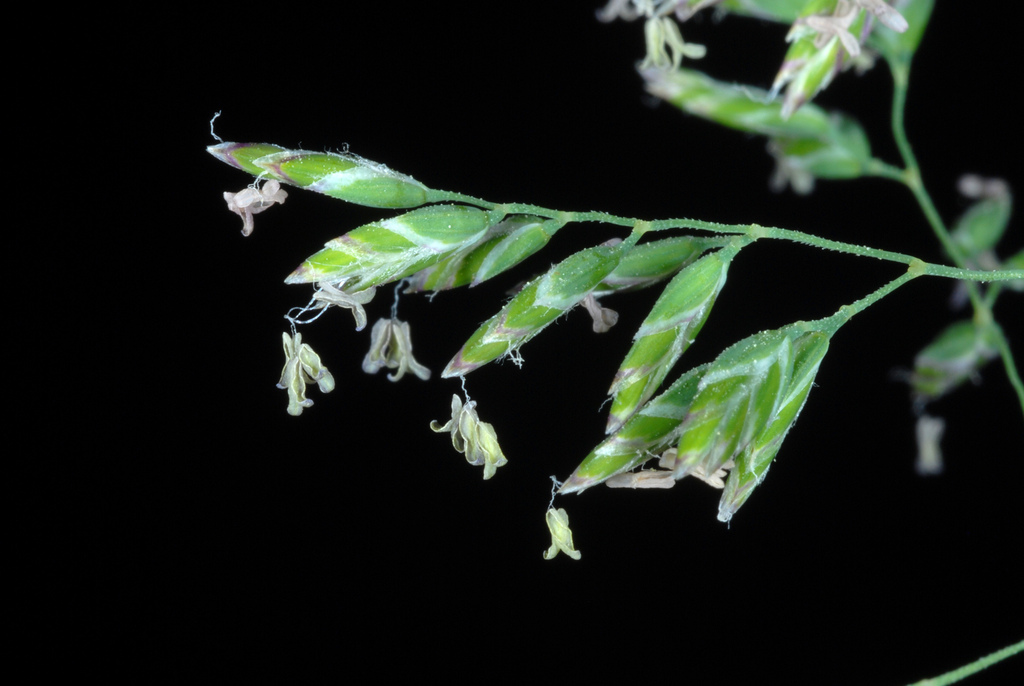
Kentucky bluegrass is a popular cool season perennial grass known for its lush, deep green color. It spreads through underground stems called rhizomes to create a dense, carpet like lawn. This grass is a favorite for home landscapes because it recovers well from foot traffic.
At a glance
- Care level
- Moderate
- Plant type
- Perennial grass
- Light
- Full sun to partial shade
- Indoor light
- Direct sun
- Water
- Every 2 to 4 days
- Mature size
- 2 to 3 feet tall
- Growth rate
- Medium
- Hardiness
- USDA 3 to 7
- Bloom time
- Late spring to early summer
Care
Keep the soil consistently moist but not waterlogged to encourage healthy root development. Watch for thinning patches or browning during hot, dry spells which indicate the grass needs more hydration. Regular mowing at a higher setting helps keep the soil cool and prevents weed growth.
- Watering
- Water deeply and infrequently to encourage deep roots rather than shallow, frequent sprinkles.
- Feeding
- Apply a balanced fertilizer during the active growing seasons in spring and fall.
- Pruning
- Mow regularly during the growing season, keeping the blades sharp for a clean cut.
- Repotting
- This is a lawn grass and is not suitable for container cultivation.
- Soil
- Well drained, fertile loam
- Soil pH
- 6.0 to 7.0
- Temperature
- -30 to 35°C
- Humidity
- 40 to 70%
Safety
- People
- It is generally non-toxic to humans.
- Children
- It is safe for children to play on, though ingestion of large amounts of raw grass is not recommended.
- Contact allergens
- The leaf blades can cause minor mechanical skin irritation if handled roughly.
- Airborne allergens
- The pollen is a common seasonal allergen for many people during the spring.
- Edibility
- This grass is not intended for human consumption.
How to identify it
- V shaped leaf blade tip
- Boat shaped leaf tips
- Deep green color
- Spreads via underground rhizomes
- Height
- 0.3 to 0.9m
- Spread
- 0.1 to 0.3m
- Leaves
- green, blue-green, perennial
- Flowers
- green, purple, 0.2 to 0.5cm
Problems to watch for
- Powdery mildew · A white fungal growth appears on leaves during periods of high humidity.
- Dollar spot · Small, bleached circular patches form on the turf.
Check your kentucky bluegrass from a photo
Pocket Botanist looks at a photo of your plant and tells you what's wrong and what to try first.
Scan with your phone's camera to get the app
Or go to pocketbotanist.app/get on your phone
Growing it
- Propagation
- seed, rhizome division
- When to plant
- spring, early autumn
Mixing grass species creates a more resilient lawn that handles stress better than a monoculture.
Grows well with
- Perennial ryegrass · It establishes quickly to provide cover while the bluegrass fills in.
- White clover · It fixes nitrogen in the soil to help the grass grow.
Similar species
- Rough bluegrass · It is a close relative that prefers much wetter, shadier conditions.
Science
- Family
- Poaceae
- Genus
- Poa
- Order
- Poales
- Class
- Liliopsida
- Native range
- Europe, Asia, and northern Africa.
- Conservation
- It is a widely naturalized species and is not of conservation concern.
It forms dense sod that helps stabilize soil and outcompetes many weeds.
- Value to wildlife
- larval host plant, nesting material
- Pollinators
- bees, butterflies
- Uses
- lawn grass, pasture forage, erosion control
Through the year
Ecological indicators
- Salinity
- 2/9
- Soil reaction
- 6/9
- Light
- 7/9
- Temperature
- 4/9
- Moisture
- 5/9
- Nutrients
- 6/9
Taxonomy resolved against GBIF.
Questions people ask
- Does it need full sun?
- Yes, it performs best in full sun but tolerates light shade.
- How often should I mow it?
- Keep it at a height of 5 to 8 centimeters for the healthiest turf.
Where the name comes from
Poa is the Greek word for grass, while pratensis means growing in meadows.
Good to know
- It spreads through underground stems called rhizomes.
- It is actually native to Europe and parts of Asia.
- The name Kentucky bluegrass comes from the bluish color of its seed heads.
Keep your kentucky bluegrass growing
This page is a general guide. Save your plant in Pocket Botanist and you get care reminders timed for this plant, plus a care history that shows what worked.
Scan with your phone's camera to get the app
Or go to pocketbotanist.app/get on your phone
This guide was generated with AI on and checked against GBIF taxonomy. It is general information, not horticultural or veterinary advice. Read about how we build these guides.