 Pocket Botanist

Check these first
- Check if water pools in the area after a light rain.
- Dig down 4 inches to see if the soil is saturated or muddy.
- Smell the soil for a foul or swampy odor.
Likely causes
Poor drainage
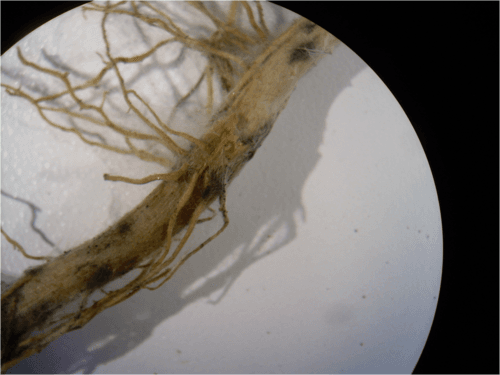
PossibleHow to tell: Water pools on the surface after rain and the grass feels spongy underfoot. The roots appear black or slimy rather than white and firm.
What to do: Aerate the soil to improve oxygen flow to the roots. Avoid overwatering and ensure your downspouts are directed away from the lawn.
Overwatering
PossibleHow to tell: The grass turns yellow and eventually brown while the soil remains perpetually wet. You might notice a musty odor coming from the turf.
What to do: Adjust your irrigation timer to allow the soil to dry out slightly between waterings. Ensure you are watering deeply every 2 to 4 days instead of providing light daily moisture.
Find out what's wrong with your kentucky bluegrass
The list above covers the usual causes. Pocket Botanist looks at a photo of your actual plant and tells you the likely cause, how serious it is, and what to try first. Identification and a health check are free.



Scan with your phone's camera to get the app
Or go to pocketbotanist.app/get on your phone
When to worry
Occasional wet soil after a heavy storm is normal. Worry if the soil stays saturated for days and the grass begins to die back in patches.
Stopping it coming back
Aerate your lawn once a year to prevent soil compaction and improve water movement through the root zone.
Kentucky bluegrass: root rot? Check yours with a photo
Every plant is a little different. Take a photo of your kentucky bluegrass and Pocket Botanist tells you which cause is most likely, how serious it is, and what to try first. A few checks a day are free. Save the plant and you get care reminders timed for it.
Scan with your phone's camera to get the app
Or go to pocketbotanist.app/get on your phone
Get the app · Or check it from a photo now, free
Questions people ask
- Can I fix soggy soil?
- Yes, core aeration is the best way to open up the soil. You can also add organic matter or sand if the drainage issues are severe.
- Does root rot kill the whole lawn?
- It usually starts in patches where the drainage is worst. If you catch it early and fix the drainage, the surrounding grass will usually recover.
More problems with Kentucky bluegrass
- Why is my Kentucky bluegrass turning yellow?
- Why are there spots on my Kentucky bluegrass?
- Why are the tips of my Kentucky bluegrass turning brown?
- Why is my Kentucky bluegrass drooping?
- What is eating my Kentucky bluegrass?
- Why is my Kentucky bluegrass looking thin and leggy?
- Why are my Kentucky bluegrass blades curling?
Back to the Kentucky bluegrass guide
This article was generated with AI on from the plant’s care profile and is general information, not horticultural advice. Read about how we build these guides.